Transform Small Spaces: Smart Balcony Garden Ideas
Turn your tiny balcony into a lush retreat with vertical planters, rail boxes, foldable furniture, smart watering, and herbs or blooms for every light level.
Vertical Spaces, Big Impact
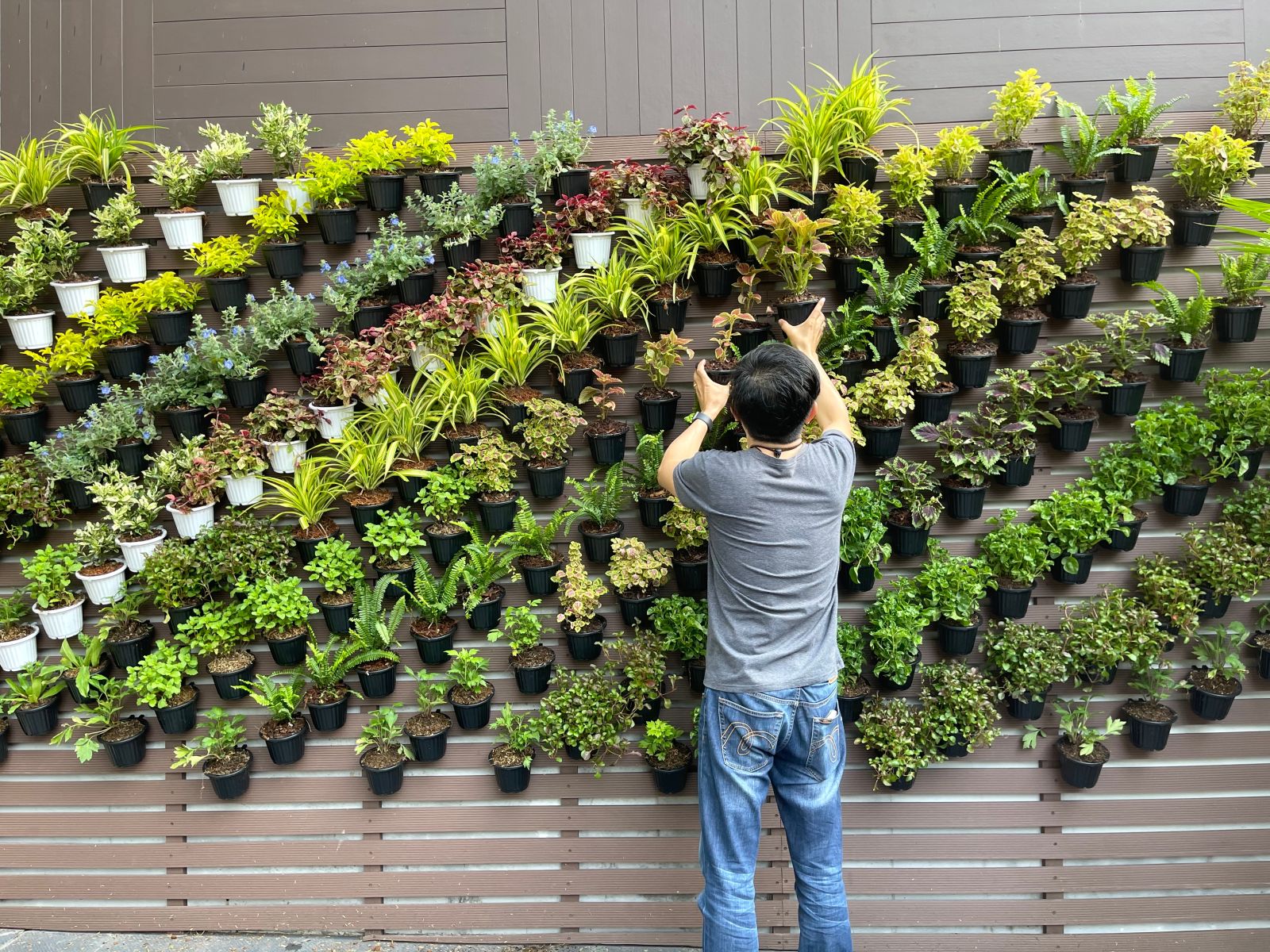
Turn your balcony into a lush retreat by building up, not out. Vertical gardening multiplies growing area without stealing floor space, using trellises, wall pockets, and slim ladder shelves to layer greenery. Choose lightweight planters and materials to respect weight limits, and secure every fixture with proper anchors for safety. A mix of climbers and trailers creates texture: beans or peas can climb a trellis, while nasturtiums and strawberries cascade from rails. Add modular systems you can reconfigure with the seasons, pairing deep pockets for thirsty plants with shallower ones for herbs. To prevent messy runoff, line wall planters and use drip trays; an inexpensive micro-drip line keeps moisture even from top to bottom. Integrate vertical pieces as privacy screens that also filter sunlight, softening glare while leaving airflow intact. Stagger plant heights to avoid shading neighbors, and rotate containers so each receives fair light. The result is a living wall that delivers beauty, yield, and smart space efficiency.
Smart Containers, Smarter Soil
In small spaces, the container is your garden's engine. Prioritize self-watering planters or fabric grow bags for better root aeration and consistent moisture, and always include generous drainage. Fill with a lightweight potting mix—think peat or coco coir blended with compost and perlite—to keep roots oxygenated and balconies load-conscious. Top-dress with compost, use slow-release organics, and refresh the top layer through the season to maintain fertility. Match pot size to plant needs: deep-rooted tomatoes and peppers prefer larger volumes, while herbs thrive in compact homes. Dark pots warm quickly but can overheat in strong sun; pale containers reflect heat and reduce stress. Add rolling saucers or casters for easy rearrangement and cleaning, and consider cachepots to hide practical liners without sacrificing style. Mulch with shredded bark or coco chips to reduce evaporation. Group plants by watering habits to simplify care, and flush containers periodically to prevent salt buildup. This thoughtful pairing of vessel and medium maximizes health, growth, and balcony longevity.
Light, Wind, and Microclimates
Every balcony has a personality shaped by light, wind, and reflected heat. Map sun patterns across the day: hot afternoon exposure suits sun-loving veggies, while morning light is gentler for tender greens. Create shade with lattice, a retractable fabric, or tall planters that act as windbreaks, softening gusts that dry soil and damage foliage. Reflective surfaces like glass or pale walls can intensify heat, so protect sensitive plants with a sheer screen or by placing them behind sturdier companions. Grouping containers forms humidity pockets that reduce water stress; tuck moisture-loving plants together and use pebbled trays to lift ambient humidity. Maintain good air circulation to discourage mildew, spacing foliage and occasionally rotating pots. Mulch reduces temperature swings, and a simple moisture meter prevents overwatering. Think in layers: heat-tolerant plants out front, shade lovers behind their canopy, with climbers trained to redirect wind. By fine-tuning these microclimates, you turn a challenging exposure into a stable, productive sanctuary.
Edible Abundance in Small Footprints
A balcony can overflow with flavor when you lean into compact edibles and smart timing. Start with cut-and-come-again greens, herbs like basil and thyme, and dwarf tomatoes bred for containers. Peas and pole beans climb a trellis, freeing soil for strawberries below, while peppers and bush cucumbers thrive in mid-sized pots. Practice succession sowing—plant small batches every couple of weeks—to keep harvests continuous. Choose companion planting pairs that support health, such as basil with tomatoes or marigolds alongside peppers to attract beneficial insects. In limited space, pollination matters: gently shake flowering plants or add blooms like calendula to invite pollinators. Mind container depth: leafy greens manage with shallower pots, while fruiting crops benefit from more root room and consistent feeding. Harvest often to encourage new growth, snipping herbs in the morning for peak fragrance. With vertical supports, nutrient-rich soil, and regular pruning, even the tiniest balcony can deliver a steady stream of fresh, homegrown produce.
Style, Comfort, and Easy Care
A beautiful balcony garden is both inviting and effortless. Start with a cohesive color palette for planters and cushions, then layer textures—glossy leaves, feathery grasses, and rough terracotta—for depth. Foldable chairs or a slim bench with storage preserve space while keeping tools tidy. Introduce gentle ambient lighting with solar lanterns or string lights, and use a mirror or reflective tray to amplify brightness and make the area feel larger. For low effort, rely on wicking systems, self-watering reservoirs, or a simple timer-driven drip line. Embrace integrated pest management: inspect weekly, remove debris, handpick pests early, and use mild soap sprays only when needed. Rotate crops between containers, sanitize pruners, and refresh topsoil to keep plants vigorous. Secure tall items before storms and group pots so they shelter one another. Finally, design for ritual—a morning coffee perch framed by herbs, an evening nook scented by jasmine—so maintenance feels like self-care and your balcony remains a resilient, thriving oasis.