The Ultimate Guide to Low-Maintenance Houseplants
Discover foolproof, low-maintenance houseplants, simple care routines, and troubleshooting tips to keep your indoor oasis thriving with minimal effort.
Why Low-Maintenance Houseplants Matter
Low-maintenance houseplants are the quiet heroes of home and garden spaces, delivering beauty and calm without demanding constant attention. The secret is choosing resilient species that tolerate irregular watering, variable light, and indoor fluctuations. Beyond the style boost, plants can improve the feel of a room by softening hard lines, reducing visual clutter, and creating a sense of care without extra work. Focus first on matching plants to your conditions: if your windows provide gentle brightness, select varieties that prefer bright, indirect light; if your rooms are dim, go for low-light champions. Low-maintenance favorites typically have thick leaves, durable roots, and steady growth rather than rapid spurts. Start small with two or three dependable performers so you can build confidence and routines. Keep tools simple: a narrow-spout watering can, snips, a soft cloth for dusting leaves, and a catch saucer. With a few smart choices and a gentle rhythm, your plants will thrive mostly on autopilot.
Light and Water, Simplified
Understanding light is half the battle. Most easy plants want bright, indirect light—think near a bright window with sheer curtains or slightly back from direct sun. If a hand cast on the wall shows a soft-edged shadow, you likely have ideal conditions. Rotate containers every week or so for even growth, and move plants a little closer or farther from windows to fine-tune. Watering should be thorough yet infrequent: soak until water exits the drainage holes, then let excess drain completely. Use the finger test—if the top few centimeters feel dry, it's time to water. Learn plant signals: yellow, mushy leaves often suggest overwatering, while crispy, curling edges point to thirst. Err on the drier side for succulents and drought-tolerant varieties. Choose room-temperature water, and consider bottom watering for plants that dislike wet crowns. Remember, most houseplants prefer consistency; avoid tiny sips and aim for complete, spaced-out waterings that mimic natural cycles.
Soil, Containers, and Placement
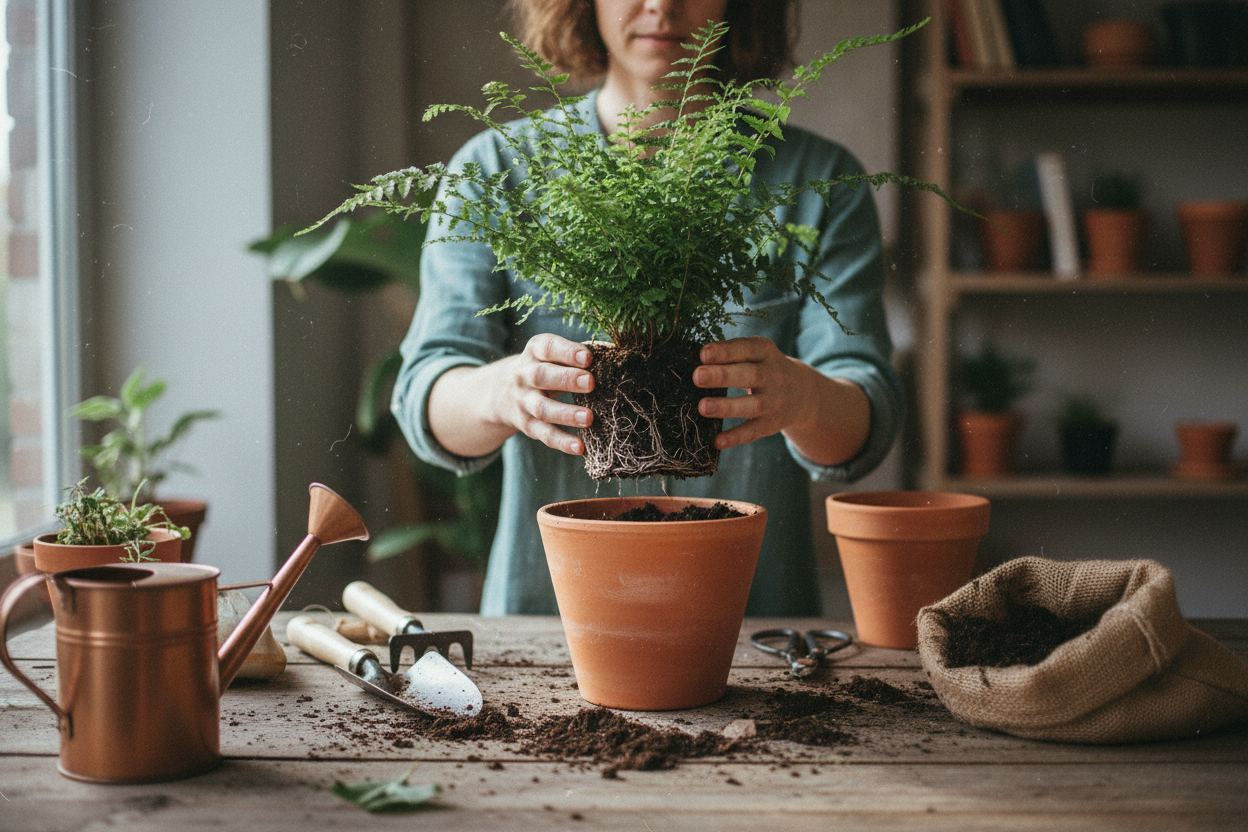
Healthy roots are the foundation of low-maintenance success. Use a well-draining mix suited to your plant: a general indoor blend with perlite works for many, while cacti and succulents benefit from grittier substrate. Tropical foliage often appreciates a mix that holds moisture yet still breathes. Containers matter, too. Terracotta wicks moisture and helps prevent overwatering; plastic retains water longer, useful for thirsty plants. Whatever you choose, prioritize drainage holes and a proper saucer. Repot when roots circle the bottom, the pot bulges, or water rushes straight through—size up only slightly to avoid soggy soil. For placement, keep plants away from drafts, radiators, and air conditioners, and group them to create a gentle humidity microclimate. Dust leaves to maximize light absorption, and use sheer curtains to soften harsh rays. Subtle tweaks—like raising pots on pebbles to improve airflow or reflecting light with pale walls—can turn a tricky corner into a thriving plant nook.
Reliable Choices and Simple Routines
If you want hardy, forgiving greenery, look to snake plant, pothos, ZZ plant, spider plant, philodendron, cast iron plant, and plenty of succulents for sunny spots. These thrive with basic care and tolerate missed waterings. Create a weekly five-minute routine: touch the soil, water only when dry at the appropriate depth, empty saucers, and rotate each plant a quarter turn. Snip yellowing leaves, tidy spent growth, and glance under foliage for pests. Once in a while during brighter periods, offer a diluted, balanced fertilizer, and wipe leaves with a damp cloth to keep them gleaming. Let vining plants trail from shelves or guide them along a trellis for a polished look. If you enjoy propagation, pothos cuttings root easily in water or moist soil, giving you new plants to share. Keep care simple, repeatable, and observable; when your routine fits your lifestyle, plants repay you with steady, effortless growth.
Troubleshooting Made Simple
Most problems have straightforward fixes. Overwatering shows up as soggy soil, drooping yet soft stems, or fungus gnats—solve it by improving drainage, letting the mix dry deeper, and watering less often. Underwatering leaves feel crisp, curl inward, or droop but perk up after a thorough drink; adjust by watering more completely and monitoring soil moisture. Leaf scorch means harsh sun—move the plant back or diffuse the light. Leggy growth signals too little light; bring the plant closer to brightness and pinch back to encourage fullness. For pests like spider mites or mealybugs, isolate the plant, wipe leaves with mild soapy water, and repeat until clear. Nutrient gaps show as pale leaves or sluggish growth—use a dilute fertilizer sparingly and flush salts occasionally. Before travel, give plants a deep soak, group them, and pull them slightly away from intense light. Observe, adjust, and keep it simple; low-maintenance success is a calm, repeatable rhythm.