The Soft Skills Employers Can't Ignore
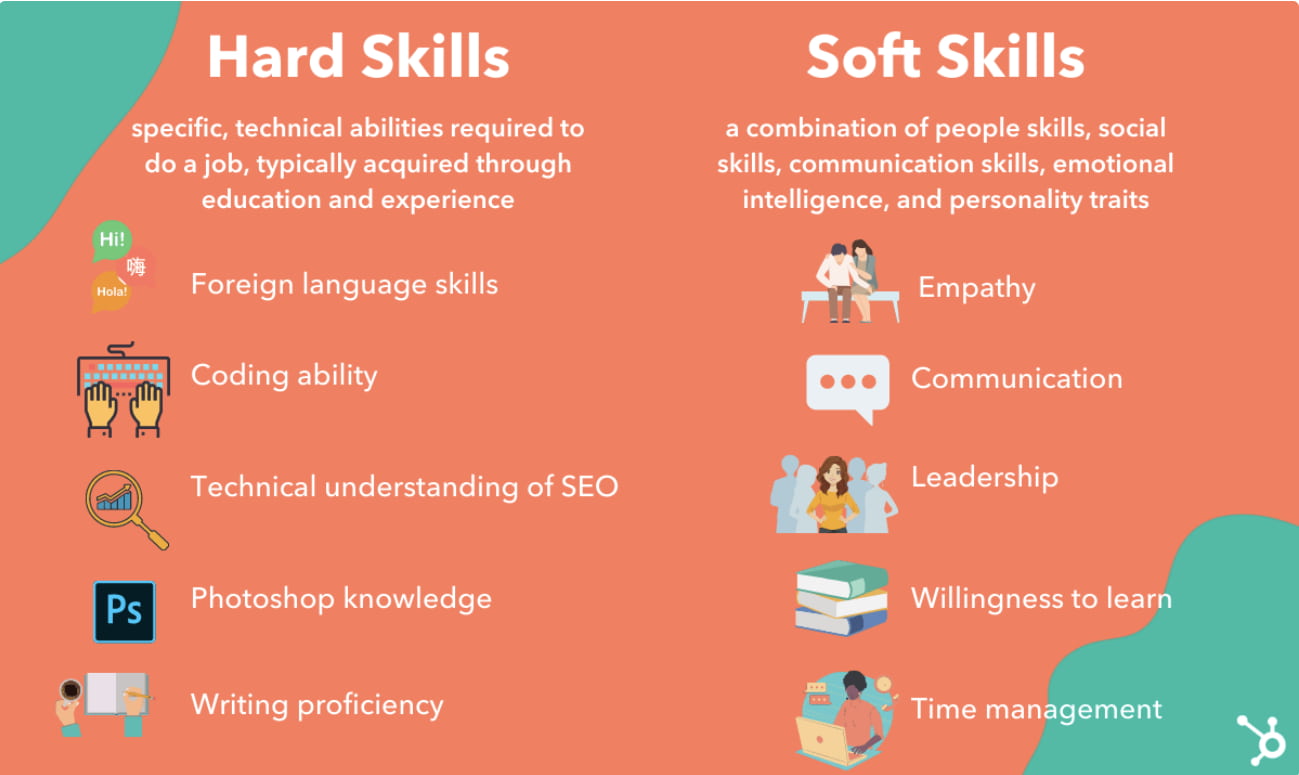
Technical skills get you noticed, but soft skills get you hired. Here are the power skills employers prioritize—and how to prove you have them.
Communication That Connects
Clear communication is the backbone of productive teams and thriving careers. Employers value professionals who practice active listening, notice context, and respond with clarity. Start by focusing on audience awareness: what matters to a client differs from what a technical colleague needs. Organize messages with a simple flow: context, key point, and clear next step. Be mindful of nonverbal cues, pacing, and tone; even in written updates, structure and word choice shape how ideas land. Use storytelling to connect data to outcomes, and make complex concepts relatable with concrete examples. Ask clarifying questions and confirm mutual understanding before moving forward. After meetings, share brief summaries and responsibilities to create feedback loops. Choose the right channel for the message, balancing speed and depth. These habits reduce rework, build trust, and make collaboration smoother. Over time, strong communicators become go-to partners because they align stakeholders, prevent misunderstandings, and make hard ideas feel easy.
Collaboration and Team Dynamics
High-performing teams rely on psychological safety, where people contribute ideas and learn from mistakes without fear. Employers notice when you create space for every voice and maintain role clarity so work flows cleanly. Align on shared goals, then divide responsibilities transparently. Welcome constructive conflict by focusing critiques on ideas, not people, and separating exploration from decision. Use facilitation techniques such as agenda-driven meetings, timeboxing, and round-robin input to balance participation. Practice inclusion by inviting diverse perspectives early and acknowledging contributions visibly. When tensions rise, mirror what you heard, ask what success looks like, and propose a step both sides can test. Follow through with accountability: document agreements, set check-ins, and measure progress. Offer help before you are asked, and celebrate wins that move the team forward. Collaboration is not just being agreeable; it is coordinating effort toward outcomes. People who improve team dynamics multiply impact, accelerate delivery, and make work more rewarding.
Adaptability and Learning Agility
Change is constant, and adaptability signals that you can stay effective when priorities shift. Cultivate a growth mindset by treating new tasks as chances to expand your toolkit. Lean into curiosity: ask why something matters, how it works, and what constraints shape the decision. Build experimentation into your process—pilot a small version, gather data, and iterate. Develop ambiguity tolerance by clarifying the minimum needed to begin, then updating plans as facts emerge. Prioritize ruthlessly; when everything seems important, define criteria that tie work to impact. Maintain a portable system for continuous learning: quick notes from lessons, brief reflections at the end of projects, and peer exchanges to transfer knowledge. Practice unlearning by retiring old assumptions when evidence changes. Communicate adaptations early to keep stakeholders aligned. Adaptable professionals reduce risk, spot opportunities sooner, and help employers navigate uncertainty while preserving momentum and quality.
Critical Thinking and Problem Solving
Employers prize professionals who move beyond quick fixes to durable solutions. Start with strong problem framing: what is the real question, for whom, and why now. Gather facts and separate signals from noise. Use root cause analysis to prevent recurring issues—ask what led here step by step rather than treating symptoms. Form a hypothesis, identify the smallest test that could disprove it, and evaluate results objectively. Define decision criteria before comparing options to avoid bias. Map trade-offs like cost, speed, risk, and usability so choices are transparent. Apply first-principles thinking when the path is unclear: break problems into fundamentals and rebuild from there. Watch for bias awareness pitfalls such as confirmation or recency, and invite a dissenting view to stress-test plans. Communicate your reasoning, not just your answer, so others can improve or replicate it. This disciplined approach leads to better outcomes and builds credibility.
Emotional Intelligence and Resilience
Workplaces thrive when people manage themselves and support others under pressure. Emotional intelligence begins with self-awareness: notice triggers, strengths, and patterns that help or hinder you. Practice self-regulation by pausing before reacting and choosing responses that serve the goal. Demonstrate empathy by listening for needs beneath words and acknowledging feelings without judgment. Set boundaries that protect focus and health, and negotiate priorities when capacity is limited. Build resilience through routines that sustain energy—sleep, movement, deep work, and recovery time. Use practical stress management tools: breathing techniques, reframing challenges as experiments, and breaking work into manageable steps. Model optimism grounded in reality by naming risks and paths forward. When mistakes happen, own them, share lessons, and reset quickly. Leaders and teammates who cultivate emotional intelligence stabilize teams, reduce burnout, and create conditions where people can do their best work.
Professionalism, Ownership, and Work Ethic
Employers notice people who bring reliability and ownership to every commitment. Communicate expectations early, confirm timelines, and surface risks before they become blockers. Practice time management by planning your week around priorities, batching similar tasks, and protecting focus. Be proactive: anticipate what stakeholders will need next and prepare options. Provide clear status updates that cover progress, risks, and asks, so decisions happen quickly. Treat every deliverable as a product: define success criteria, test quality, and iterate. Strengthen stakeholder management by understanding motivations and adapting messages accordingly. Uphold integrity by giving credit, documenting sources, and being transparent about constraints. Seek continuous improvement—after each milestone, note one thing to start, stop, and continue. Ownership is not doing everything yourself; it is orchestrating resources so outcomes are achieved. Professionals who combine consistency with initiative build trust, advance their careers, and elevate the performance of their teams.