Sustainable Cleaning Tips for a Healthier Home
Make your home healthier with sustainable cleaning: simple DIY cleaners, mindful routines, and low-waste tools that protect your family and the planet.
Mindful Routine, Big Impact
Sustainable cleaning starts with prevention and consistency. Build a light, repeatable routine that keeps grime from accumulating, so you need fewer products and less scrubbing. Place sturdy doormats at every entrance and adopt a shoe-free habit to keep soil and pesticides outside. Clear surfaces and corral clutter to reduce dust traps and speed up weekly wipes. Mix small batches of diluted cleaner in reusable bottles and label them clearly; use the gentlest solution that gets the job done. Prioritize spot-cleaning after spills, squeegee shower walls, and wipe kitchen splatters before they bake on; these tiny habits save time, water, and energy. Work top to bottom and dry to wet so gravity helps you. Ventilate by opening windows when outdoor air is good, or run exhaust fans to disperse moisture and fumes. Keep your toolkit simple: a bucket, a few microfiber or cotton cloths, a gentle all-purpose solution, a scrub brush, and a squeegee handle most chores with minimal waste.
Plant- and Pantry-Powered Cleaners
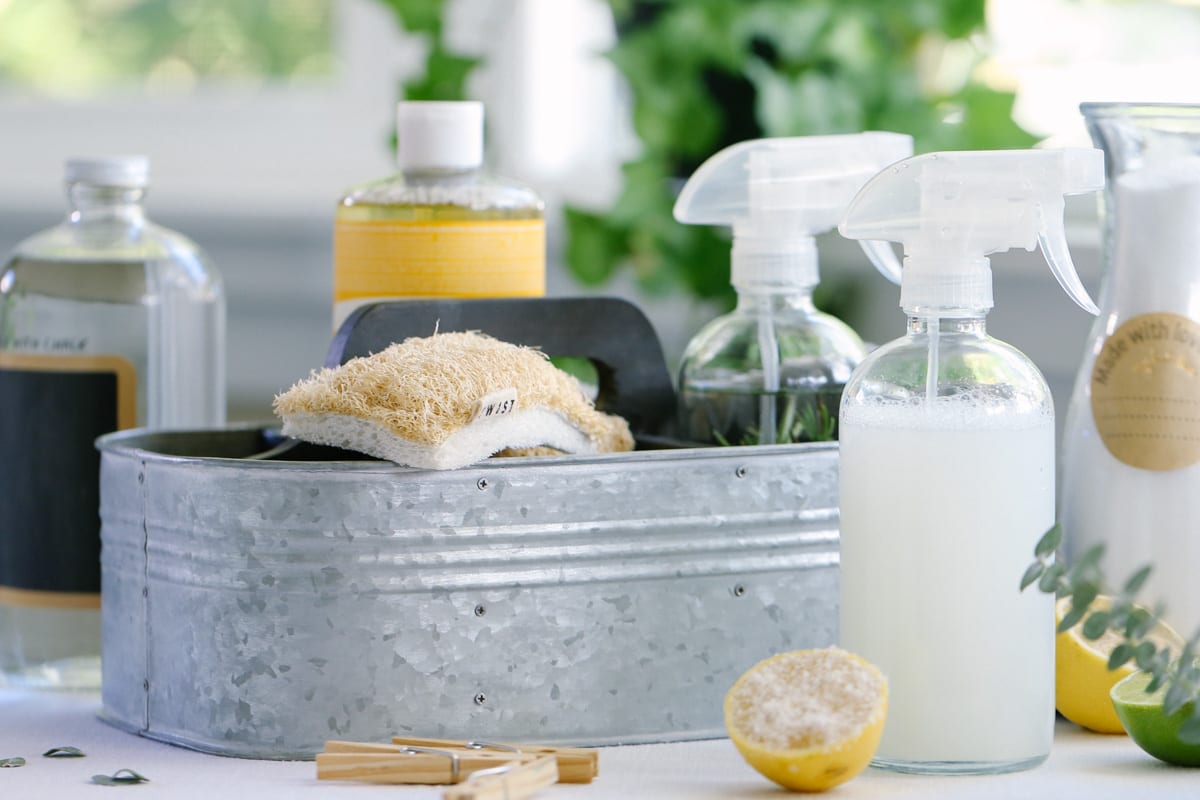
Reach for biodegradable basics that are kind to your home and the planet. For glass, tile, and stainless, use a mix of one part white vinegar to one part water in a reusable spray, then buff with a lint-free cloth. Skip acids on natural stone; for marble or granite, use warm water with a drop of mild castile soap, then rinse and dry. Make a soft scrub by blending baking soda with a splash of liquid soap to form a paste for tubs, sinks, and grout. For greasy hoods and backsplashes, hot water and soap cut residue without harsh solvents. Deodorize drains by sprinkling baking soda, letting it sit, and flushing with hot water; the gentle fizz helps lift film. Sanitize cleaned cutting boards with 3 percent hydrogen peroxide, applied, left to dwell briefly, then rinsed. Never mix vinegar with chlorine bleach or ammonia, and do not combine peroxide with vinegar in the same container. Always label, dilute, and patch test.
Tools That Last, Waste That Shrinks
Choose durable, repairable tools to reduce single-use waste. Stock a few high-quality microfiber or tightly woven cotton cloths, washable mop pads, cellulose sponges, a metal squeegee, and brushes with replaceable heads. Upcycle old towels into rags for grimy jobs and reserve paper towels only for bio-mess emergencies. Wash reusable cloths in full, cool loads to save energy and reduce shedding; a laundry bag or filter captures fibers before they reach waterways. Line-dry tools in sunlight when possible; the sun is a gentle natural sanitizer that also conserves energy. Refresh sponges and brushes by soaking in hot soapy water, then rinsing and air-drying thoroughly. Choose concentrates and refill stations to cut packaging, and buy in bulk for staples you use often. Store solutions in clearly labeled, well-sealed bottles to extend shelf life and prevent spills. With a modest, well-cared-for kit, you clean better, spend less, and send fewer items to the bin.
Healthy Air and Allergen Control
Clean for air quality, not just appearances. Dust with a barely damp cloth to trap particles instead of redistributing them, and work top to bottom so shelves, frames, and vents are cleared before floors. Vacuum slowly with a high-efficiency filter and a sealed machine; empty canisters outdoors and wash removable filters as directed. Keep humidity around a comfortable middle range to discourage mold and dust mites; run bath and kitchen fans during and after steamy tasks, and dry splashes promptly. Choose fragrance-free products to avoid sensitizers, and skip aerosols in favor of pump sprayers. Wash bedding, curtains, and throw covers at the warmest safe temperature and dry fully; sun-drying can naturally freshen fabrics. Use sturdy entrance mats, groom pets regularly, and launder their bedding often to reduce dander and pollen. For small spots on non-porous surfaces, clean first, then treat with diluted hydrogen peroxide, letting it dwell before wiping. Never mix chemicals, and always ventilate when using any active cleaner.
Water- and Energy-Savvy Habits
Reduce resource use with thoughtful methods that still deliver a deep clean. Pre-treat and soak baked-on pans so food lifts without endless scrubbing under a running tap. For floors, use a two-bucket mop system; one for solution and one for rinse water so you change water less often yet clean more effectively. Switch to microfiber mops, which need less water and leave fewer streaks. In the kitchen and laundry, run full loads on eco cycles, air-dry when practical, and choose concentrated, readily biodegradable detergents. Skip single-use dryer sheets in favor of wool dryer balls that speed drying and reduce static. Squeegee shower walls after use to curb limescale and soap scum, cutting the need for stronger products later. Descale kettles and showerheads by soaking with a mild acid solution, then rinse well. Target grime with spray and cloth instead of flooding surfaces, and turn off taps while scrubbing. Every conserved liter and watt lightens your footprint and keeps your home healthier.