Street Food Safaris: Taste Your Way Through New Cities
Hit the streets hungry: discover authentic bites, local markets, and night stalls as you learn how to taste safely, respectfully, and like a local.
Savoring the Streets
Street food safaris turn a simple walk into an immersive culinary adventure, where sizzling grills, fragrant spices, and the hum of conversation guide your steps. In every new city, street food acts as a living map of tradition, migration, and modern creativity. You taste geography in a bite: seaside carts with citrusy seafood, mountain stalls with hearty stews, and bustling plazas alive with smoky skewers. A safari mindset encourages curiosity—follow your senses, ask questions, and let the aromas decide your route. This style of exploration is wonderfully democratic; a few coins unlock bold flavors, local stories, and genuine hospitality. It's also practical for travelers who want to cover more ground, sampling multiple dishes without committing to a single long meal. Most importantly, street food connects you to everyday rhythms—workers grabbing breakfast on the go, families sharing snacks, neighbors swapping recommendations. In these fleeting moments, your itinerary becomes a tapestry of taste, texture, and place.
Mapping Your Culinary Hunt
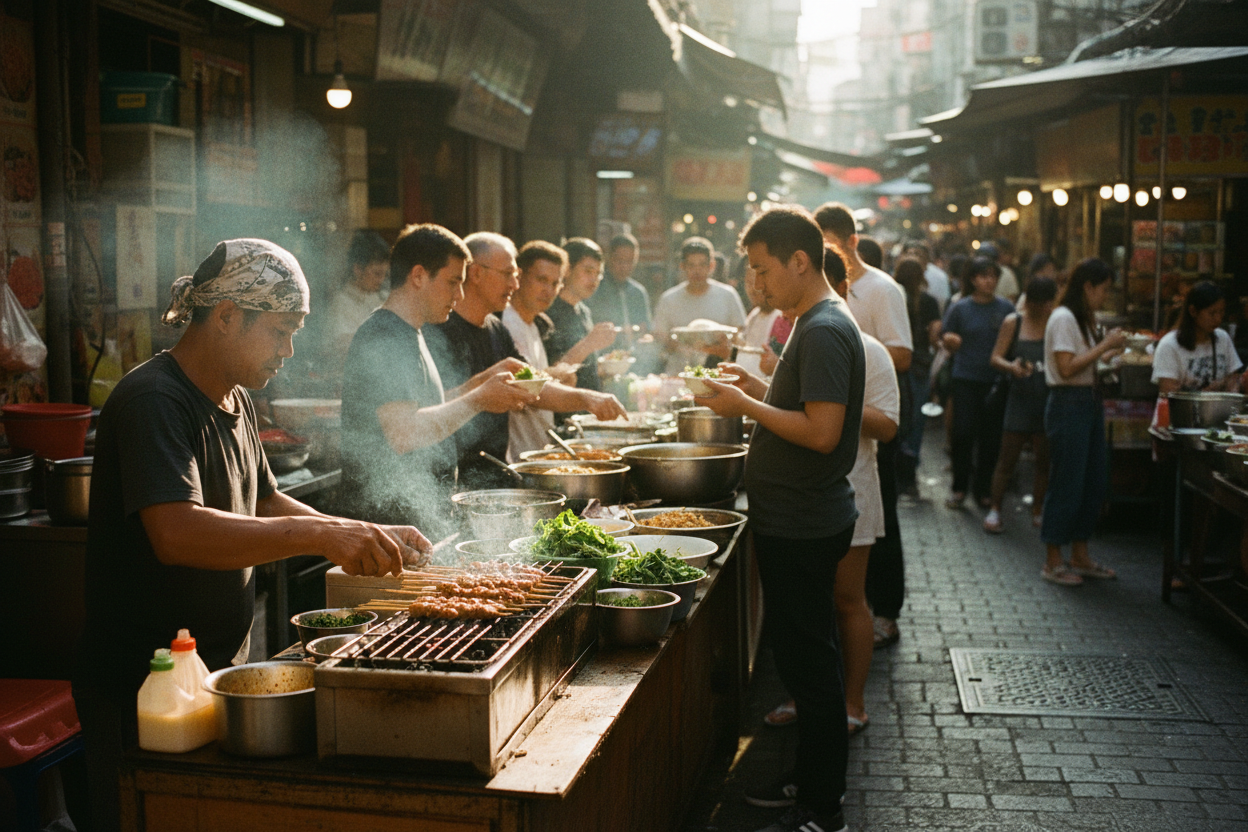
A great street food safari blends spontaneity with a smart plan. Start by identifying neighborhood markets, plazas, waterfront promenades, or transport hubs where vendors naturally gather. Peak windows often align with local mealtimes, when turnover is brisk and dishes are freshest. Consider the city's layout: shaded alleys for midday heat, breezy riversides in the evening, or late-night districts buzzing with snacks after entertainment. Bring small bills for quick transactions and an appetite for sharing portions to maximize variety. Keep a flexible list of must-try specialties—savory pancakes, stuffed breads, noodle bowls, grilled meats, or plant-based bites—while leaving room for surprise finds. If you're short on time, organize a progressive tasting: one stall for a starter, another for a main, and a final cart for something sweet. Remember to factor in hydration, nearby seating or standing counters, and access to napkins or wipes. A thoughtful route ensures you savor more and stress less.
Reading the Queue
Choosing the right vendor is an art. Start with crowds: a steady queue signals popularity and consistent turnover, which often means fresher ingredients. Observe the setup—clean cutting boards, covered ingredients, and separate tools for raw and cooked items indicate good hygiene. Watch how the vendor handles money and food; a helper dedicated to payments is a reassuring sign. Listen for crackles and sizzles that suggest proper heat, and trust your nose: vibrant aromas rarely lie. Scan the menu for focus; stalls that specialize in a handful of items often excel at their signature dish. Notice who's eating there—locals on lunch break, families, and repeat customers all point to reliability. If you're unsure, order a small portion to test flavor, texture, and spice level before committing. Don't overlook context: shaded seating, clean bins for waste, and fresh garnishes signal care. Altogether, these cues help you eat boldly while staying comfortable and safe.
Etiquette at the Cart
Good manners elevate your experience and support the community. Approach with a smile, greet the vendor, and keep the line moving by scanning the menu in advance. When it's your turn, order clearly, confirm any allergies or dietary needs, and ask about spice levels. If there's a shared table, occupy only what you need and wipe your spot when you leave. Many stalls appreciate exact change; cash speeds service and minimizes handling. Treat utensils thoughtfully—some vendors wash and reuse, others offer eco-friendly disposables—so dispose of items in designated bins. If you're photographing, request permission and avoid blocking the workflow. Respect local customs: some places expect you to stand and eat quickly, others encourage lingering conversation. Be mindful of noise, strong perfumes, or bulky bags in tight spaces. Gratitude goes a long way; a warm thank-you, a compliment on the flavors, or a promise to return builds rapport and celebrates the craft behind each bite.
Flavors Without Borders
A street food safari is a passport to global flavors without leaving the sidewalk. Think crisp-stuffed breads with tangy chutneys, sizzling skewers brushed with nutty sauces, and delicate dumplings bursting with herbs. Follow the scent of caramelized onions tucked into flaky pastries, or queue for corn cakes layered with creamy cheese and bright salsas. Tuck into noodles tossed in garlicky oil, topped with crunchy greens and a squeeze of citrus. Vegetarians thrive on griddled bean patties, stuffed vine leaves, or chickpea fritters bathed in sesame-rich tahini. Seafood fans might find citrus-cured bites, skewered squid, or smoky fish wrapped in leaves. Save space for dessert—sugar-dusted dough, rice puddings perfumed with cardamom, and fruit shaved into icy treats. Each dish is a lesson in migration, trade, and climate, translating terroir into texture. Embrace contrast: sweet and salty, soft and crisp, spicy and cooling. The joy is in discovery, one delicious stop at a time.
Photographing Taste
Capturing street food well is about story, not just close-ups. Start with context: the vendor's practiced hands, the griddle gleaming, the stack of herbs waiting their turn. Natural light is your ally; step slightly to the side for soft shadows and highlight steam or sizzle. Compose with layers—foreground dish, mid-ground vendor, background bustle—to frame the scene. Keep shots quick and unobtrusive, and ask permission before photographing people. For color, lean into vibrant condiments, pickles, and fresh greens. Shoot the process too: batter bubbling, ladles pouring, sauces drizzling, a final sprinkle of spice. Then document the first bite—texture revealed, crumb or glaze catching the light. A small napkin or hand placement can stabilize without clutter. When posting or journaling, credit the dish name and neighborhood, avoid giving away private details, and celebrate the craft. Your images should convey respect, appetite, and place, inspiring others to explore with care.
Bringing the Journey Home
Keep your safari alive after the trip by translating inspiration into your kitchen. Begin with a pantry refresh: chilies, citrus, vinegar, toasted seeds, and a few versatile sauces or spice blends that echo your favorite stalls. Recreate techniques, not replicas—practice high-heat searing, quick pickling for crunch, and herb-forward garnishes for brightness. Assemble a mini tasting night: one grilled item, one saucy bite, one crispy snack, and a simple dessert. Journal flavors you loved, note textures, and record tips learned from vendors. Support local markets and small grocers for seasonal produce that mirrors the freshness you admired. Share the experience by hosting friends, swapping recipes, and telling the stories behind each dish—the lively square, the friendly cook, the unexpected pairing. Finally, travel with sustainability in mind next time: bring reusable containers, respect queues, and choose vendors who prioritize quality. In doing so, you honor the people and places that make street food unforgettable.