Noise-Cancelling Headphones: What to Know Before You Buy
Shopping for noise-cancelling headphones? Learn how ANC works, key specs to compare, fit and comfort tips, and the trade-offs before you buy.
How Noise Cancellation Works
Active noise cancellation (ANC) combines microphones and digital signal processing (DSP) to reduce unwanted sound. Feedforward mics listen outside, feedback mics monitor inside the earcup, and hybrid systems use both to create an inverted signal that cancels noise. ANC is most effective on low-frequency rumbles like engines or HVAC, while high-frequency chatter relies more on passive isolation from a good seal and earcup materials. Expect less silence and more of a perceptible drop in overall fatigue, since your brain works less to filter distractions. Features like adaptive ANC adjust intensity based on environment, while transparency mode pipes in external audio so you can stay aware. Keep in mind that wind can confuse microphones, and some models offer wind-noise reduction to help outdoors. Fit and seal remain critical: even top-tier algorithms perform poorly without proper placement. Understanding these basics helps set realistic expectations and guides you toward designs that complement your daily listening environments.
Fit, Comfort, and Form Factor
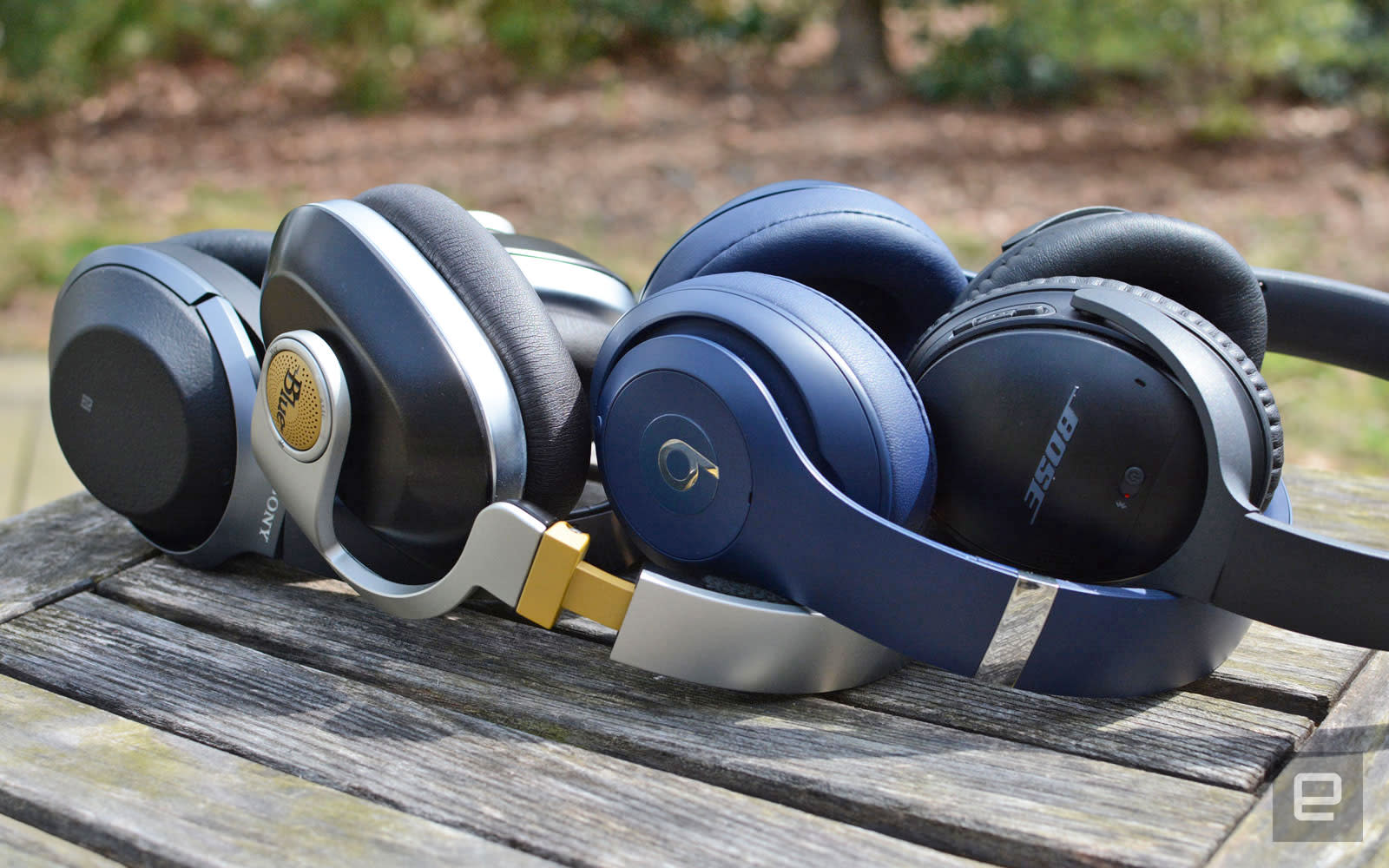
Comfort determines whether you actually use your headphones. Over-ear models surround the ear for stronger passive isolation and larger cushions, but they can be warmer and heavier. On-ear designs are lighter yet may cause pressure on the pinna and leak more sound. In-ear options are the most portable, relying on an ear tip seal (silicone or memory foam) to block noise; getting the right size dramatically affects both ANC performance and bass. Consider clamping force, weight distribution, and headband design if you wear glasses, since temples can break the seal. Breathable pads help during long sessions, while swiveling cups and suspended bands disperse pressure. For workouts and commutes, prioritize stability and sweat resistance; for desk use, prioritize ergonomic cushions and minimal ear pressure from aggressive ANC. If possible, try multiple sizes of tips, adjust sliders, and test a variety of postures—typing, walking, head turns—to ensure the fit remains secure and comfortable over extended time.
Sound Quality, Drivers, and Codecs
Great noise cancellation doesn't guarantee great sound. Assess frequency response (balance of bass, mids, treble), overall clarity, and how music retains detail with ANC on. Many models include app-based EQ so you can tweak the curve; subtle adjustments often outperform extreme boosts. Driver type and size matter less than tuning and enclosure design, which influence soundstage and imaging. For wireless performance, check Bluetooth codecs: baseline SBC works universally, AAC can benefit many mobile devices, and higher-bandwidth options like aptX or LDAC may deliver finer detail if both source and headphones support them. If you watch video or play games, consider latency; some headphones offer low-lag modes, while wired playback remains the most consistent for sync. Evaluate how the sound changes with transparency mode or adaptive features enabled, and whether the headphone maintains dynamics at lower volumes. Ultimately, prioritize a neutral-to-pleasant tuning you can live with daily, rather than chasing specs alone.
Smart Features, Controls, and Apps
Modern headsets pair hardware with software. Decide between physical buttons for reliability or touch controls for convenience; gloves, sweat, and accidental taps matter. Companion apps often provide ANC levels, transparency mode, EQ, and firmware updates that fix bugs or add features. Look for customizable gestures, auto-pause/wear detection, and a control lock to avoid unintended inputs in rain or while exercising. Multipoint connectivity lets you switch between laptop and phone without re-pairing, while voice assistant integration can streamline hands-free tasks. For calls, seek sidetone (hearing your own voice) and adjustable mic noise suppression to reduce fatigue and improve clarity in busy spaces. Some models add adaptive ANC that tracks your motion or environment, and sound personalization that tailors output to your hearing profile. Make sure features enhance, not complicate, your routine; an intuitive interface with dependable updates is more valuable than a crowded checklist you won't use.
Battery, Charging, and Durability
Battery life varies widely with ANC and volume. Check real-world reported hours rather than marketing claims, and look for quick-charge that delivers meaningful playback after a short top-up. Consistent USB-C charging simplifies life across devices, while some true wireless earbuds offer wireless charging via their case. Consider long-term battery longevity; deep discharges and extreme temperatures degrade cells, so moderate charging habits and careful storage help. On build quality, inspect hinges, sliders, and folding mechanisms for play and stiffness. Replaceable earpads and ear tips extend lifespan and hygiene, while detachable cables (when available) add flexibility for wired use. If you'll face rain or workouts, check the IP rating for water and dust resistance. A sturdy carry case prevents damage in bags. Finally, keep cushions clean, ports debris-free, and firmware updated; small maintenance habits protect both comfort and performance over the long haul.
Use Cases, Value, and Buying Tips
Match features to context. For commuting and travel, prioritize strong ANC, compact storage, and wind-noise reduction. For offices, look for transparency mode that sounds natural, comfortable pads for long wear, and multipoint for seamless device switching. For workouts, opt for secure fit, IP-rated protection, and tactile controls. If calls matter, evaluate microphone quality, beamforming, and background noise suppression; test how your voice sounds in traffic, indoors, and outside. Consider latency for video meetings and whether sidetone keeps you from shouting. Balance price against support: check warranty, availability of replacement parts, and the brand's track record with firmware updates. When possible, audition before buying to assess comfort and tuning, and use fair return policies to verify real-world performance. Protect your hearing with safe listening habits and use transparency near traffic. Value comes from a blend of sound, silence, comfort, and reliability—not a single headline spec.