Natural Pest Control Solutions for a Healthier Garden
Nurture a thriving garden with eco-friendly, pollinator-safe pest control—smart prevention, beneficial insects, and gentle remedies that really work.
Holistic Pest Control Mindset: Natural pest control is not about waging war; it is about tending a balanced garden ecosystem where pests rarely spiral out of control. By focusing on prevention, diversity, and resilience, you reduce the need for harsh measures and safeguard pollinators, pets, and people. A healthier garden begins with observing patterns, understanding plant needs, and supporting the soil food web that underpins every thriving bed. Embrace Integrated Pest Management (IPM) by combining cultural practices, habitat creation, and targeted interventions only when necessary. This layered approach keeps pest populations below damaging levels while protecting beneficial organisms. The goal is not zero insects; it is proportion and balance. When you cultivate a garden that feeds and shelters allies like birds and beneficial insects, pests find fewer opportunities to explode. Over time, these practices build a self-regulating environment that delivers vigorous growth, abundant harvests, and the peace of mind that comes from gardening in harmony with nature.
Soil Health as First Defense: Robust soil health is the foundation of natural pest control. Plants rooted in living, well-structured soil withstand pressure from insects and disease far better than stressed specimens. Feed the soil with compost, aged manure, and mulch to boost organic matter and microbial diversity. These microbes, including mycorrhizal fungi, help plants access nutrients and water, reducing stress that attracts pests. Keep soil covered year-round with mulches or cover crops to moderate temperature, conserve moisture, and support earthworms. Avoid compaction by limiting unnecessary tilling and stepping only on designated paths. Water deeply but less often to encourage strong, pest-resilient roots, and adjust irrigation to prevent waterlogging, which invites problems. Test pH and amend gently to keep nutrients available. A thriving underground network supports vigorous foliage, thicker cuticles, and natural plant defenses like secondary metabolites. Healthy roots and steady nutrition make your garden far less inviting to opportunistic pests.
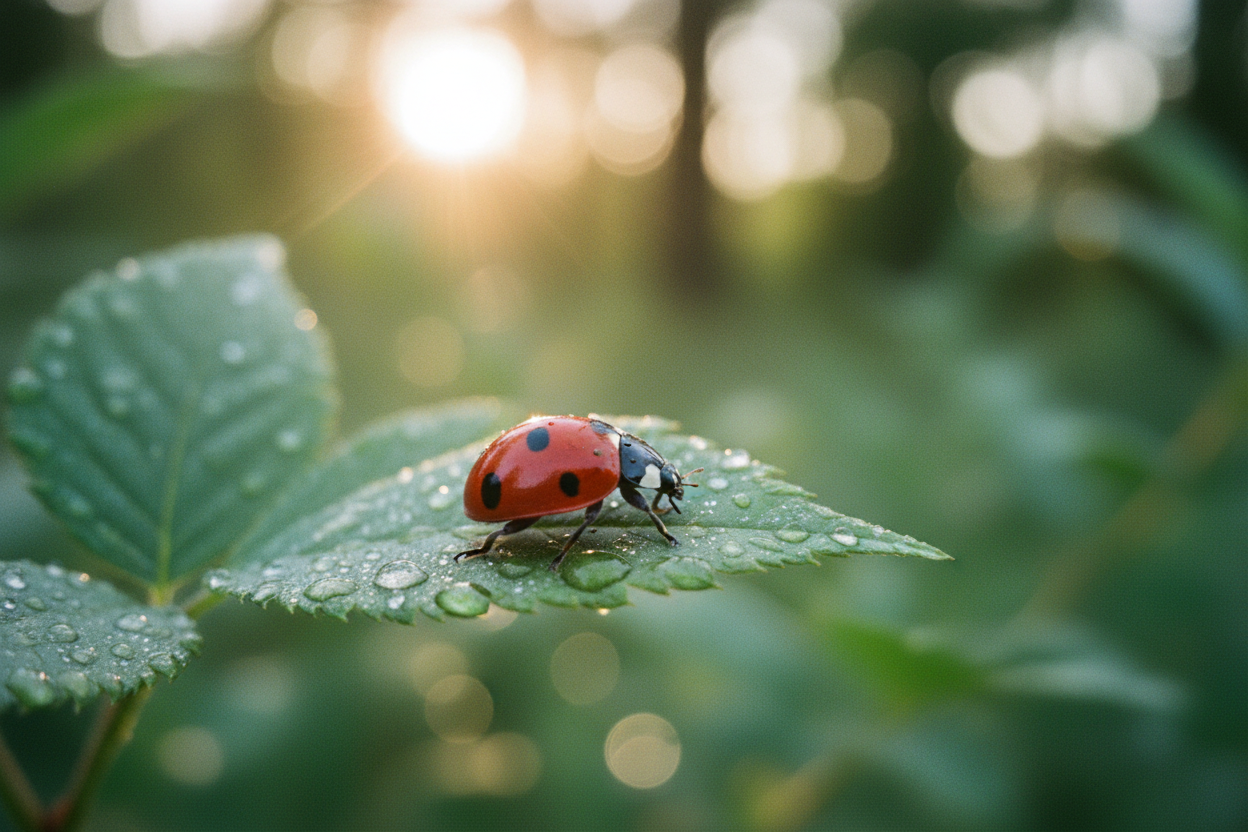
Welcoming Beneficial Insects: Invite beneficial insects that hunt or parasitize pests by offering food, water, and shelter. Lady beetles, lacewings, hoverflies, and parasitic wasps consume aphids, caterpillars, and scale, while ground beetles patrol the soil for slugs and larvae. Plant small, nectar-rich flowers such as dill, alyssum, and yarrow to fuel tiny predators with short mouthparts. Stagger bloom times so a buffet exists throughout the growing season. Provide shallow water dishes with pebbles for safe landing zones, and leave small patches of undisturbed leaf litter or stones for overwintering. Avoid broad-spectrum sprays that can unintentionally harm allies; even organic solutions should be targeted and timed. Consider simple structures like insect hotels, brush piles, and mixed hedgerows to diversify habitat. As predator populations stabilize, you will notice fewer outbreaks and a quicker rebound after pest spikes. Encouraging allies is a quiet strategy that pays compounding dividends in long-term garden health.
Companion Planting and Diversity: Companion planting boosts plant vigor and deters pests by weaving variety into your beds. A polyculture of vegetables, herbs, and flowers confuses pest navigation while offering habitat for predators. Interplant aromatic companions like basil with tomatoes or chives with carrots to create repellent aromas that obscure host scents. Use trap crops such as nasturtiums near brassicas to lure aphids and caterpillars away from prized leaves, then remove the infested traps. Scatter flowering umbels and daisies to provide nectar bridges that keep beneficials on patrol. Rotate families of crops to break pest and disease cycles, and vary spacing so air flows freely, making conditions less favorable for outbreaks. Living borders of perennial herbs and native plants serve as windbreaks, pollinator magnets, and year-round refuge. The more tapestry you weave, the harder it is for any single pest to dominate, and the more resilient your garden becomes through natural checks and balances.
Physical Barriers and Hands-On Tactics: Reliable, low-impact controls include physical barriers and mechanical methods that prevent damage without chemical inputs. Lightweight row covers keep moths from laying eggs on brassicas and cucurbits while allowing light and water through. Collars around stems discourage cutworms; netting excludes birds from ripening berries; and copper tape deters slugs from containers. Handpick beetles, hornworms, and slugs at dawn or dusk, dropping them into soapy water. A strong spray from the hose dislodges aphids and mites, buying time for predators to finish the job. Prune out infested shoots promptly, disposing of waste in sealed bins to prevent reinfestation. Keep the garden tidy by removing diseased leaves and fallen fruit that harbor pests. Adjust planting dates to dodge peak pest windows, and stagger plantings so not all crops are vulnerable at once. These simple, repeatable actions build a robust first line of defense.
Targeted Natural Treatments: When intervention is necessary, choose targeted and gentle options. Insecticidal soap and horticultural oils smother soft-bodied pests like aphids, whiteflies, and mites without long-lasting residues. Neem oil interrupts pest feeding and growth, while Bacillus thuringiensis (Bt) targets specific caterpillars when applied to foliage they will consume. Diatomaceous earth abrades crawling insects, and kaolin clay creates a protective film that discourages feeding. For a DIY spray, combine garlic, chili, and mild soap to repel leaf-chewers, always testing a small leaf patch first. Apply treatments in the evening to protect pollinators, and direct sprays to the problem area rather than blanket-applying. Rotate methods to reduce resistance, and cease treatments once predators reassert control. Read labels on commercial organics to confirm suitability for edible crops and follow dilution guidelines. Thoughtful, precise use ensures pests are managed while your garden's living allies remain active and abundant.
Monitoring, Thresholds, and Ongoing Care: Consistent monitoring is the keystone of natural pest control. Scout leaves, stems, and undersides weekly, and use yellow sticky cards or pheromone lures for monitoring trends, not mass trapping. Establish action thresholds so you treat only when damage threatens plant health or harvest quality. Keep simple records of what you see, what you tried, and outcomes; patterns emerge that inform smarter timing next season. Encourage patience—many minor infestations resolve as predator populations catch up. Maintain culture-based prevention: clean tools, sanitize stakes, and rotate crops. Adjust irrigation, ventilation, and spacing to reduce stress. Refresh mulch, replenish compost, and re-seed beneficial flowers after heavy pruning or harvests. Over time, this rhythm builds a resilient garden that meets challenges with balance. By aligning daily habits with nature's processes, you foster a healthier, more abundant home and garden where pests become manageable footnotes rather than headline events.