Mountain Retreats: Cabins, Trails, and Tranquility
Find your perfect mountain escape: cozy cabins, soul-stirring trails, and quiet vistas where mornings steam with coffee and evenings glow by the fire.
Cabins That Cradle the Peaks: Tucked among evergreens or perched on granite ridges, mountain cabins offer a front-row seat to high-country calm. Thoughtful interiors pair the cedar scent of handcrafted timbers with wool throws, a crackling hearth, and wide windows that frame cloud-drifted summits. Modern comforts—soaking tubs, efficient stoves, and well-equipped kitchenettes—blend with eco-friendly design such as reclaimed wood, passive solar, and smart insulation. Some places lean off-grid, favoring minimal lighting and silence, while others add gentle luxuries like outdoor hot tubs and heated mudrooms for gear. Look for wildlife-safe food storage, boot-drying racks, and decks oriented to sunrise; little details make a mountain retreat feel effortless. Proximity to trailheads can save daylight, but a more secluded cabin might trade convenience for profound tranquility. If you value solitude, consider flexible arrival days and shoulder times when roads and paths are quieter. From rustic hideaways to refined lodges, the sweetest spaces cradle you close to nature without drowning out its whisper.
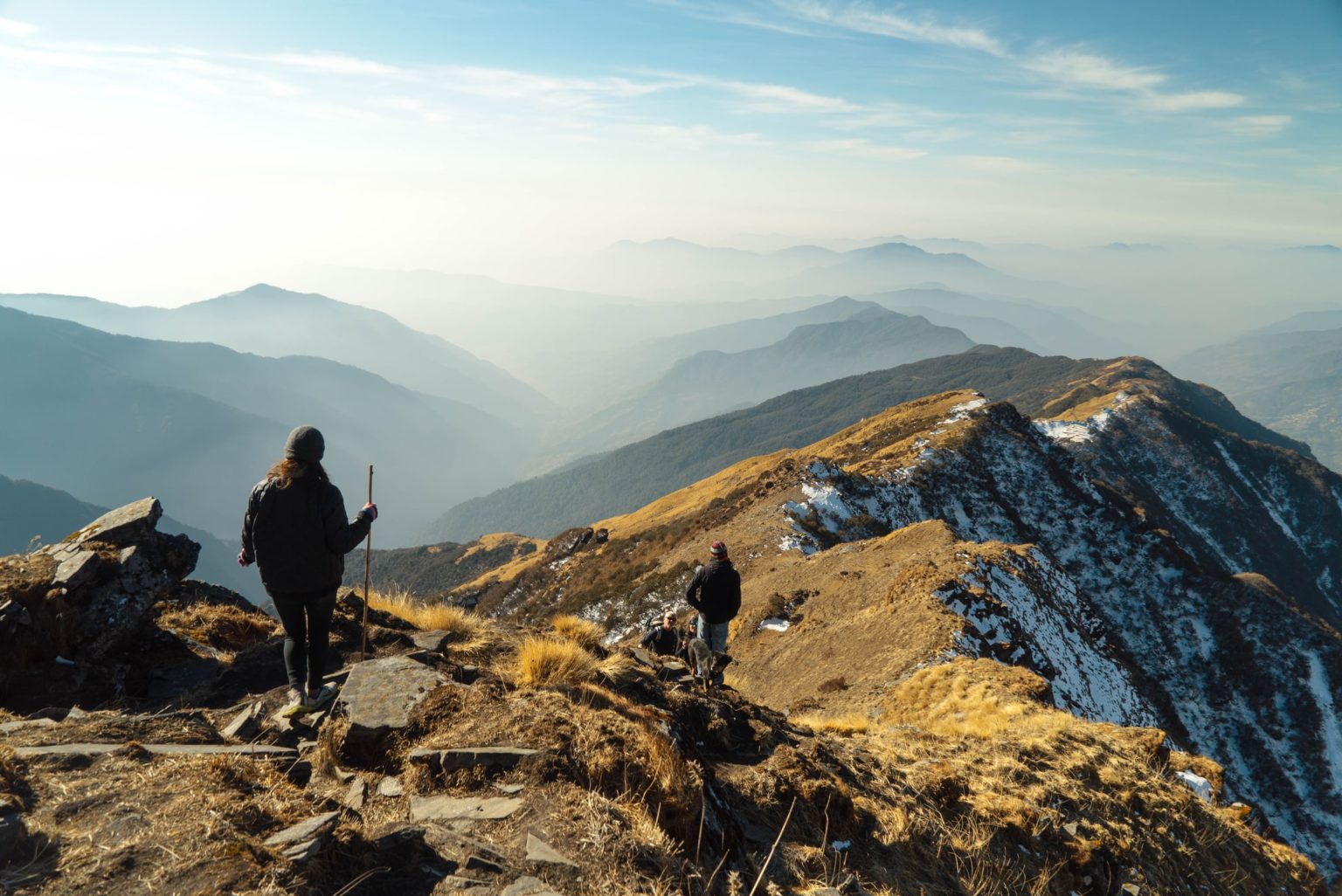
Trails That Tell a Story: Every mountain path unfurls a narrative, from mossy switchbacks under spruce to wind-brushed ridgelines where horizons run wild. Start with the essentials: a realistic route plan, a topographic map, and basic wayfinding skills that do not rely solely on a device. Gauge trail difficulty by elevation gain, surface conditions, and distance rather than just labels. At higher altitude, ease your pacing, sip water consistently, and snack early to keep energy steady. Trekking poles stabilize knees on descents, while layered clothing handles shade, sun, and swift changes in temperature. Practice trail etiquette—yield to uphill hikers, step aside for horses, keep voices low, and leash dogs where required. Give wildlife generous space, and stick to established tread to protect fragile alpine meadows. If clouds build or footing turns slick, turn back without regret; the peaks are patient. The best days on the trail balance curiosity with humility, allowing the mountains to set the rhythm.
Tranquility as a Destination: In the hush between pine boughs and sky, tranquility becomes not a bonus but the point of the journey. Build unhurried rituals: slow coffee on the porch, a few minutes of mindfulness by a stream, or gentle stretches that greet the chill of morning. Let a woodstove flicker replace screens; many retreats invite a partial or full digital detox, easing your senses into the language of wind, water, and birdsong. Read by lamplight, sketch ridgelines, or keep a small journal that gathers thoughts like pebbles. After dusk, step outside for stargazing where the night feels close enough to touch, and note how your circadian rhythm softens with earlier evenings and quiet dawns. Even rainy days are gifts—listen to the roof's patter, brew tea, and watch mist roll through the trees. Over time, the mountain's slower tempo resets your own, replacing hurry with presence and leaving a calm that lingers long after the road home begins.
Local Flavor and Mountain Culture: Beyond the trailhead, nearby hamlets and valleys hold stories worth savoring. Meet artisans whose crafts echo the landscape—hand-thrown mugs flecked like granite, woven blankets that trap hearth warmth, carved spoons smooth as river stones. Taste the region through farm-to-table stews, berry pies, and aged cheeses that celebrate elevation, soil, and tradition. Consider hiring local guides who read weather, wildlife, and history with a native fluency; their insight turns scenery into understanding. Visit small museums or nature centers to deepen context around geology, flora, and human heritage. Your choices matter: spend with independent businesses, learn a greeting in the local language, and practice Leave No Trace so community trails and waters stay welcoming. Festivals, markets, and story nights—when you find them—reveal mountain humor and resilience. This is the heart of authentic travel: reciprocal respect, where your memories are richer and the destination stronger for your presence.
Planning for Comfort and Safety: A smart checklist is the secret to relaxed adventure. Build a layering system—moisture-wicking base, insulating mid, and a waterproof shell—plus warm hat and gloves regardless of forecast. Choose sturdy boots with good tread, add gaiters or traction when warranted, and pack a compact first-aid kit. Navigation matters: carry a map and compass as reliable navigation backups to any device. Include a headlamp with spare batteries, an emergency whistle, sun protection, and a light bivy or blanket for just-in-case stops. Hydration and nutrition are nonnegotiable; set a simple hydration cadence and bring salty, energy-dense snacks. Share an itinerary with someone at home, and check local trail conditions and road advisories before departure. Mountain driving can be winding; allow extra time and fuel. On arrival, acclimate gently, listen to your body, and be ready to pivot plans if conditions shift. Preparedness reduces stress, freeing you to notice the details that make mountain time unforgettable.