Low-Maintenance Garden Design for Busy Homeowners
Design a beautiful, low-maintenance garden that thrives on autopilot with smart plant choices, water-wise systems, and simple, durable materials.
Smart Planning and Layout
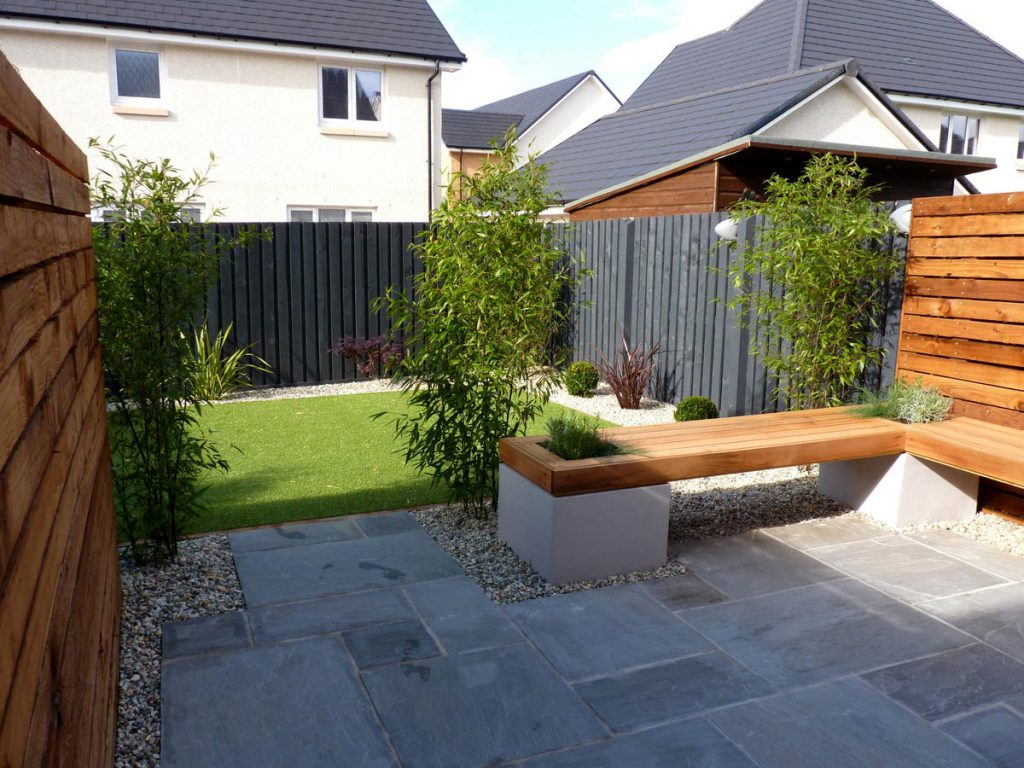
A low-maintenance garden begins with a smart layout that limits chores before they start. Favor simple geometry and wide, sweeping beds over fussy shapes that create hard-to-reach corners. Arrange planting zones by sun, water, and access, placing the most frequently enjoyed features close to doors and paths. Use the principle of right plant, right place to reduce pampering and replacements. Minimize lawn to only what you truly use, and frame it with durable evergreen structure so the garden looks composed year-round with minimal intervention. Keep paths generous and permeable to reduce puddles and mud that track indoors. Limit the number of materials to create cohesion and reduce the need for specialized care. Designate staging areas for tools and bins to shorten every task. Finish with a mulched, layered planting plan that shades soil, suppresses weeds, and protects moisture, giving you a garden that looks polished while quietly doing the work for you.
Site Assessment and Soil Health
A garden that thrives on autopilot starts with site assessment and soil health. Watch how sun, shade, wind, and water move across your property, then match plant choices and seating areas accordingly. Improve soil structure with compost and organic matter to boost drainage in heavy soils and hold moisture in sandy soils, so plants rely less on constant watering. A generous layer of mulch regulates temperature, suppresses weeds, and invites beneficial soil life, all of which reduce maintenance. In compacted zones, loosen soil or create raised areas to give roots an easy start. Choose plants tolerant of your native pH and mineral profile for fewer nutrient corrections. Direct runoff toward rain gardens or gravel swales to prevent erosion while nourishing deep-rooted plantings. Evaluate existing trees for root zones and shade patterns, then underplant with tough groundcovers that can handle competition. By aligning the garden's needs with its natural conditions, you build a self-sustaining foundation that saves time every season.
Plant Selection That Thrives on Neglect
Lean into native and regionally adapted picks that shrug off pests, heat, and brief dry spells. Favor perennials, evergreen shrubs, and ornamental grasses that offer long seasons of interest without weekly grooming. Compact cultivars maintain shape without constant pruning, while clump-forming plants stay where they are put. Choose drought-tolerant species that pair with your rainfall, and group them by water needs to simplify irrigation. Mix textures and heights for year-round structure: sturdy backbone shrubs, mid-layer perennials, and a living carpet of groundcovers to block weeds. Resist the urge to collect one-of-everything; repeating a short list of reliable favorites creates visual calm and less learning curve. Skip high-maintenance divas that demand staking or frequent deadheading. Add a few pollinator-friendly blooms that rebloom with minimal effort, and anchor beds with plants that carry winter form. With thoughtful selection, your planting scheme looks lush and intentional while quietly asking very little of your weekly schedule.
Hardscaping and Groundcovers
Strategic hardscaping turns upkeep into a breeze. Replace high-care lawn patches with permeable patios, gravel courts, or stepping-stone paths that direct traffic and banish mower gymnastics. Choose durable materials that weather gracefully and require only occasional sweeping. Define bed edges with steel, stone, or paver borders to keep mulch and groundcovers neatly in place, cutting back on trimming. Where you want living coverage, use dense groundcovers that knit together to smother weeds and soften hard lines. Pair stone or decomposed granite with pockets of tough plants for a look that is both elegant and effortless. Consider raised planters at comfortable heights to simplify watering and harvesting. Use simple, repeated patterns so repairs or additions are easy to match. Keep storage close at hand for tools and cushions to streamline setup and cleanup. When surfaces and plants share the workload, your garden becomes resilient, accessible, and serene with very little ongoing attention.
Efficient Watering and Irrigation
Watering can be nearly invisible with the right system. Install drip irrigation or soaker hoses beneath mulch to deliver moisture directly to roots, minimizing evaporation and leaf disease. Create hydrozones so thirstier plants receive targeted water while tough performers are not overwatered. A weather-aware controller or simple timer helps maintain consistency when life gets busy, and seasonal adjustments are quick. Capture roof runoff with rainwater harvesting and direct it to rain gardens or cisterns for later use. Deep, infrequent watering encourages robust roots, reducing stress during hot spells. Keep emitters clear and inspect lines during routine walk-throughs; a few minutes of attention prevents wasted water and plant decline. Combine irrigation with mulch and shade from layered plantings for a powerful trifecta that stabilizes soil moisture. By designing water delivery around plant needs and site realities, you conserve resources and avoid the daily grind of hoses and guesswork.
Seasonal Care Routines in Minutes
A truly low-maintenance garden relies on short, reliable rituals. Build a simple checklist: quick deadheading where needed, a glance for pests, a light pruning pass to maintain paths, and a top-up of mulch where soil shows through. Prioritize prevention over reaction; dense plantings and groundcovers keep weeds from sprouting, while healthy soil reduces disease pressure. Feed with slow-release or organic amendments suited to your plants and soil, applied sparingly to avoid extra growth that needs trimming. Swap needy annuals for long-blooming perennials and shrubs that hold form without constant shaping. Tidy edges and sweep hardscapes for instant polish that reads as high care with minimal effort. Keep tools sharp and stored within easy reach to make five-minute windows productive. By standardizing small tasks and designing out big ones, you will maintain a well-kept look that fits into the margins of a busy week.
Designing for Joy and Longevity
Low maintenance should still feel indulgent. Place seating where breezes, shade, and views converge, and frame those nooks with fragrant, tactile plants you can enjoy up close. Choose finishes and fabrics that shrug off weather so upkeep stays minimal. Add solar lights or low-voltage fixtures along paths and focal points to extend enjoyment without complicated wiring. Use containers sparingly and opt for self-watering designs with tough plants to reduce daily attention. Blend evergreen structure with seasonal highlights so something pleasing is always happening, even when you are not. Foster simple habitat features like shallow water dishes, nectar-rich flowers, and berries to invite birds and pollinators, who also help with pest balance. Keep color palettes cohesive and soothing, returning to repeated forms and textures for calm. By designing for delight as well as durability, you create a garden that rewards brief visits, welcomes relaxation, and stays beautiful with remarkably little work.