Lighting Your Home Naturally: Brighter Rooms Without Big Renovations
Brighten any room naturally with light paint, mirrors, airy window treatments, glass accents, and clutter-free layouts—no renovations required.
Understand How Daylight Works
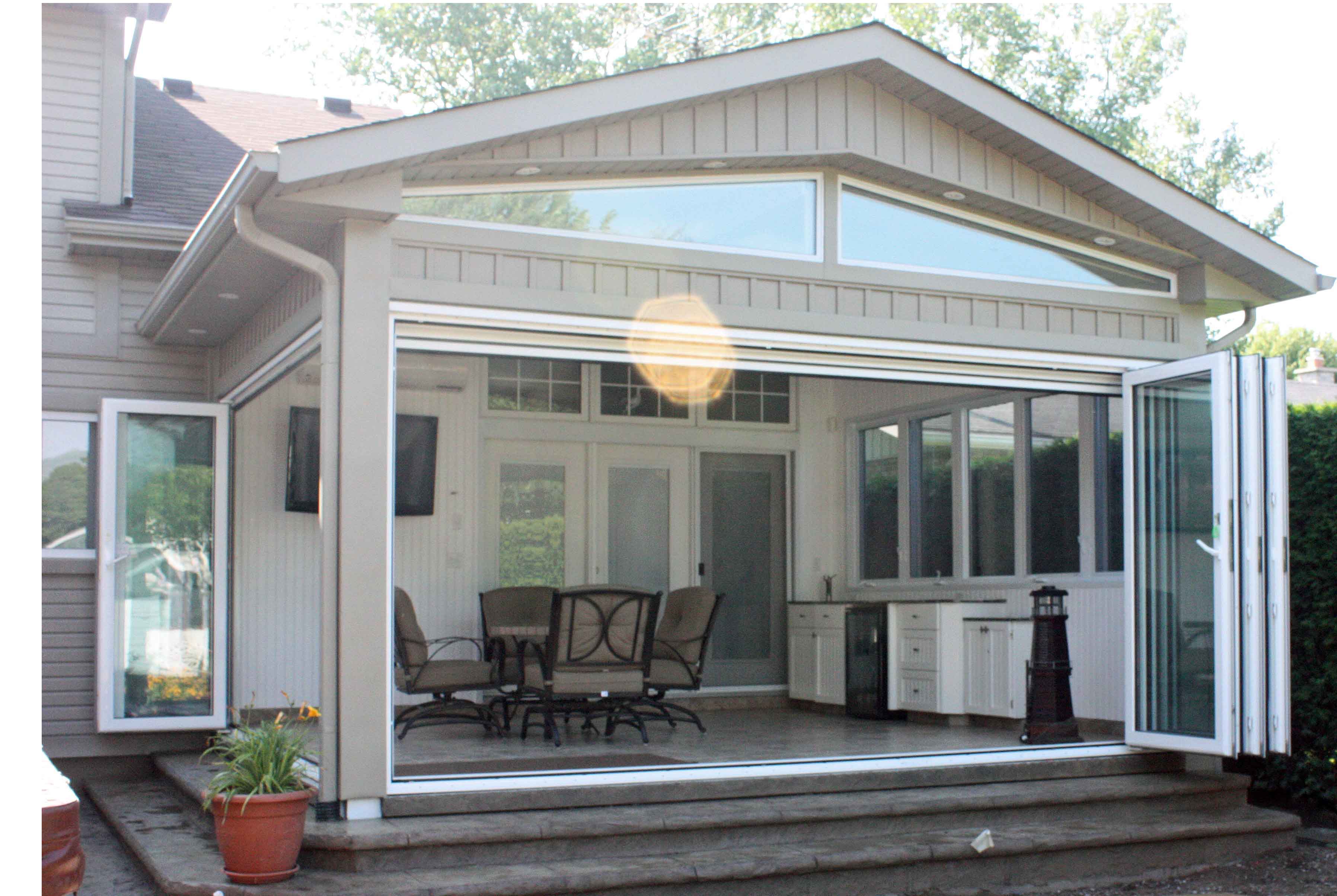
Harnessing natural light starts with understanding how it moves through your rooms. Notice where the sun rises and sets relative to your home, then track the shadows that furniture, plants, and window frames cast throughout the day. Clear obvious obstacles first: keep window sills free of clutter, trim indoor foliage that blocks glass, and clean panes, screens, and tracks so they do not dull brightness. Use light, open-weave textiles near windows to prevent light absorption. Keep interior doors open to extend daylight into hallways and secondary spaces, and use reflective decor on darker walls that face windows so they bounce illumination back. Matte, heavy textures absorb light, while smoother surfaces reflect it, so choose thoughtfully. Map your room from the brightest window wall outward and place activities that benefit from daylight, like reading or crafting, closer to that zone. These simple, low-cost moves maximize available daylight without construction or complicated upgrades.
Use Color and Surfaces to Boost Brightness
Color is a powerful daylight amplifier. Prioritize light reflectance value (LRV) by choosing pale, airy wall colors that bounce light rather than swallow it. A soft, luminous ceiling can act like a built-in reflector; painting it a crisp light shade or a whisper of the wall color helps distribute brightness evenly. Trim and doors in a slightly higher sheen (think satin or semi-gloss) create a subtle halo effect around openings, while walls in matte or eggshell keep glare down. Limit deep, saturated hues to small accents. On floors, add pale rugs with low pile to scatter light, and consider natural materials like jute or sisal for texture that does not feel heavy. Glossy or satin finishes on select surfaces, such as picture frames, planters, or side tables, increase reflectivity without turning the room shiny. Even artwork with light backgrounds acts as a visual reflector, balancing tone and enhancing the perception of a brighter space.
Arrange Furniture to Let Light Flow
Thoughtful placement boosts brightness. Keep tall bookcases, wardrobes, and bulky pieces on the darkest walls, not beside windows where they cast long shadows. Choose low-profile furniture and designs with open bases or legs so daylight can travel underneath. Glass, acrylic, and rattan elements feel lighter and help distribute illumination. Avoid pushing sofas or headboards directly against window walls; leave breathing space so curtains can move and light can spill around edges. Use nest tables or slender side tables instead of heavy blocks. Clear sightlines matter: ensure you can see the window from the room's main entry, which psychologically reads as a brighter interior. Replace heavy table runners and dense throws with lighter textiles during sunny seasons, and keep cords and clutter tucked away to reduce visual weight. If you need division, opt for translucent screens or open shelving rather than solid partitions. These choices let daylight travel farther, increasing overall brightness without any structural changes.
Dress Windows and Add Reflectors Wisely
Window treatments can invite light instead of fighting it. Layer sheer curtains with light-filtering shades for privacy that still glows. Mount rods wider and a bit higher than the frame so fabric stacks off the glass when open, exposing the full pane. Use tiebacks to contour drapery and prevent bunching that blocks daylight. For glare-prone rooms, choose translucent cellular or woven shades that diffuse harsh beams into soft, even light. Then multiply what you have: position mirrors opposite or at a right angle to windows to bounce light deeper into the room, but avoid angling them where they concentrate glare. Metallic finishes, mother-of-pearl accents, and glossy ceramics act as subtle reflectors on mantels and shelves. Keep the balance by mixing reflective pieces with matte textures to prevent a sterile feel. Clean hardware, rods, and glass frames regularly; even a thin film can mute sparkle and reduce the perceived brightness you worked to create.
Habit Tweaks, Plants, and Simple Maintenance
Small routines elevate natural light daily. Make it a habit to open shades early, then adjust throughout the day to track the sun path. Keep windows, sills, and nearby surfaces dust-free so they do not dull illumination. If exterior foliage shades your windows, selectively prune it where appropriate to restore daylight while preserving privacy. Choose houseplants that thrive in bright, indirect light and reflect it with glossy leaves, and position them to frame windows rather than block them. Rotate plants regularly so they grow evenly and do not create permanent shadow zones. Swap heavy throws and dark pillows for lighter fabrics seasonally. Consider removable, light-diffusing films on street-facing panes to soften glare without sacrificing brightness. Add pale runners in corridors to carry light from room to room, and use reflective trays or glass vases on darker surfaces. These simple habits and accessories keep spaces feeling fresh, airy, and naturally bright without large-scale projects.