Kitchen Organization Tricks That Actually Work
Stop rummaging. These proven kitchen organization tricks—from zoning and vertical storage to smart labeling—save time, space, and sanity daily.
Smart Zones: Treat your kitchen like a well-planned workspace by creating work zones that match your routines. Set up a prep station with knives, cutting boards, bowls, and oils near the largest stretch of counter. Keep cookware, utensils, and spices by the stove for a seamless cook zone, and store plates, glasses, and flatware close to the dishwasher for a faster clean zone. A dedicated beverage hub with mugs, tea, and a canister for spoons reduces traffic during busy mornings. Use vertical space with wall rails, magnetic strips, and shelf risers to keep tools visible and reachable. Corral daily-use items on a tray so you can wipe once and reset quickly. Group like with like—baking, breakfast, snacks—to cut decision fatigue. Put the most-used items at prime height, and relegate occasional gadgets to higher or lower shelves. Corner cabinets benefit from turntables to boost visibility, and deep drawers shine when paired with full-extension organizers.
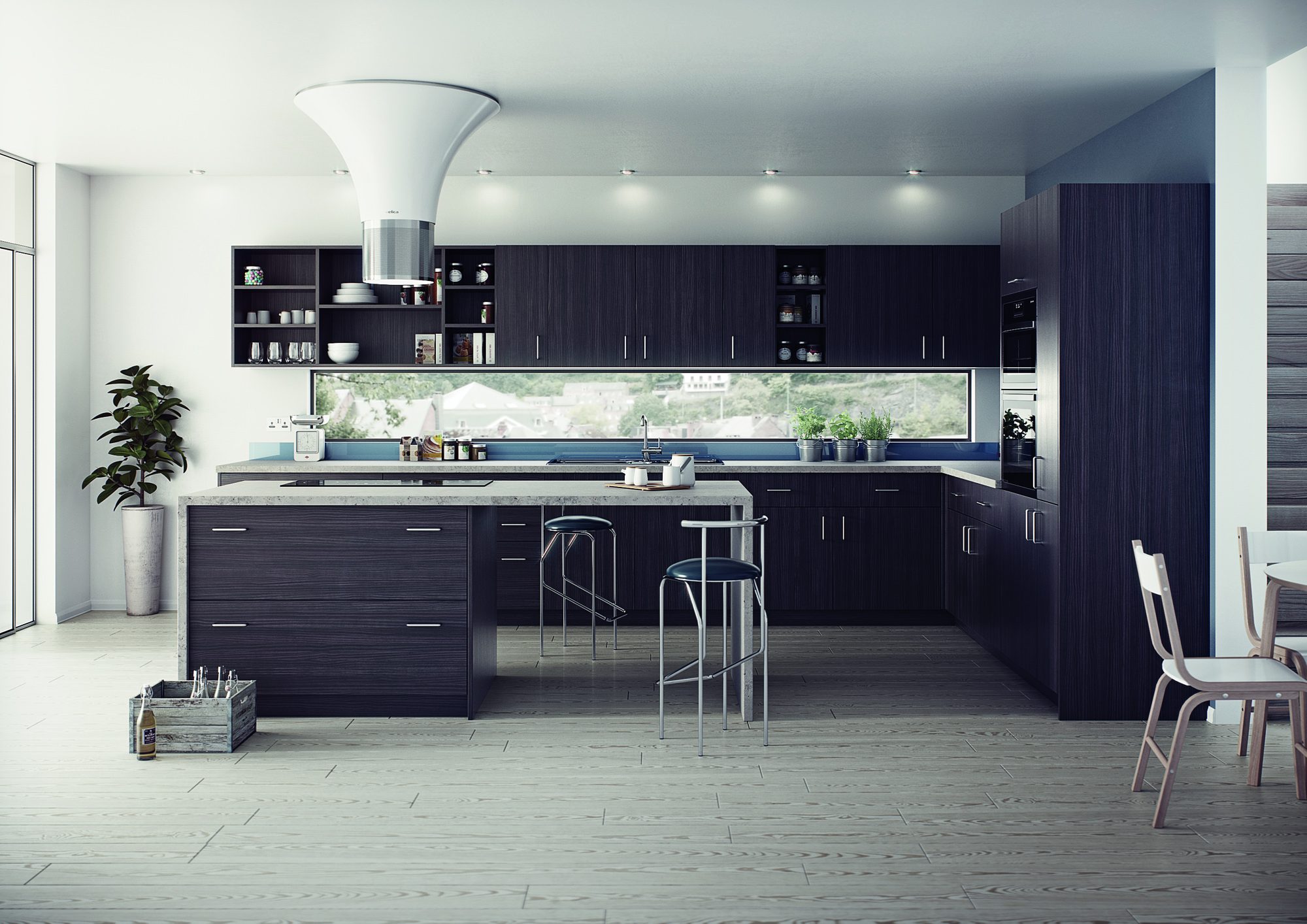
Container Strategy: Adopt a simple, repeatable system for the pantry so you always know what you have. Use clear, modular containers for dry goods—flour, rice, pasta—so you can see levels at a glance and stack to save space. Embrace decanting to reduce packaging clutter and make shelves wipeable; combine this with bold, legible labels that include the item name and cooking notes. Apply FIFO (first in, first out): place newer stock behind older, and assign a single backstock bin for refills so overflow doesn't sprawl. Use lazy susans for oils, sauces, and small jars to prevent items from hiding at the back. Store snacks in open bins by category—savory, sweet, lunch—to simplify grab-and-go. Keep baking essentials together with dedicated scoops and measuring tools. For bulk items, a floor-level lidded bin keeps weight low and safe. Maintain a small decanting station with a funnel, marker, and cloth to keep the process tidy and fast.
Drawer and Cabinet Tactics: Turn chaotic drawers into efficient stations with adjustable dividers that fit your actual tools. File utensils by task—stirring, flipping, measuring—so every item has a defined lane. Use a vertical file approach for baking sheets, cutting boards, and trays; tension rods or upright racks maximize cabinet height and stop the familiar clatter. Contain lids in a lid rack or pan lid divider so pots nest neatly. Add pull-out shelves or baskets to deep base cabinets to end the crawl-and-dig routine, and choose full-extension hardware so nothing gets lost. Employ shelf risers to double space for plates and bowls, and clip on under-shelf baskets for wraps, towels, or flat items. Dedicate one shallow drawer to a knife tray if you prefer not to mount a magnetic strip. Inside cabinet doors, low-profile hooks and slim caddies hold mitts, brushes, and wraps without stealing shelf depth. Reserve a quiet top drawer for a compact command center: notepad, tape, labels, and batteries.
Daily Habits That Stick: Organization lasts when supported by micro-habits. Practice a five-minute reset routine after dinner: clear counters, return tools to zones, wipe the sink, and scan the fridge for leftovers to prioritize. Follow the one-minute rule—if it takes less than a minute, do it now—so crumbs, containers, and mail don't snowball. Keep a small landing zone (tray or bowl) for keys and pocket clutter to stop it from spreading across prep space. Use a simple inventory board inside a cabinet door to note low staples; snap a quick photo before shopping to avoid duplicates. Assign a weekly mini-audit: choose one drawer or shelf, remove outliers, and re-label if needed. Create a donate or relocate bin for gadgets you rarely use and commit to reviewing it monthly. Store a tidy cleaning caddy under the sink for swift clean-as-you-go sessions, and keep microfiber cloths front and center to make resets frictionless.
Small-Space Power Moves: In compact kitchens, every inch counts—aim for multiuse tools, nesting bowls, and foldable colanders to reduce bulk. Free up drawer real estate with a magnetic strip for knives and metal tools, and consider a rail system with hooks for ladles, pans, and mugs. Add under-shelf baskets to capture air space and a slim rolling cart beside the fridge for oils, canned goods, or baking supplies. Use over-the-door organizers for wraps, spices, or cleaning refills, and mount a small command shelf near the entry for keys and lists. Keep heavier items low for safety, and lightweight, occasional tools high. Light, uniform containers make the area feel visually calm, while lazy susans in upper cabinets keep categories together. Maximize corners with angled bins and label the front edge of every shelf for instant orientation. Finish with bright task lighting under cabinets to enhance visibility—clutter hides in the shadows; light reveals and simplifies.