Island Hopping Essentials for First-Time Explorers
Pack light, plan routes, and respect local culture. From ferry tips to reef-safe sunscreen, here's everything first-time island hoppers need to know.
Pack Light, Stay Dry
Island hopping rewards travelers who pack with intention. Choose a soft-sided carry-on backpack that slides under benches and stacks easily on small boats, then add a roll-top dry bag to shield essentials from spray and surprise squalls. Prioritize quick-dry layers, a lightweight windbreaker, and water shoes that grip wet decks and rocky shorelines. Sun protection matters: bring reef-safe sunscreen, a wide-brimmed hat, and polarized sunglasses to cut glare when spotting reefs. Power solutions like a compact power bank and universal adapter keep devices alive on islands with limited outlets. Tuck in a mini first-aid kit for blisters and scrapes, plus motion tablets if seas are lively. If you snorkel, a personal snorkel mask that fits well beats rentals in comfort and hygiene. Packing cubes help manage damp versus dry items, while a waterproof phone pouch protects navigation, tickets, and photos. Carry cash in small denominations and photocopies of key documents, since many tiny isles rely on offline transactions and paper verifications.
Flexible Routing
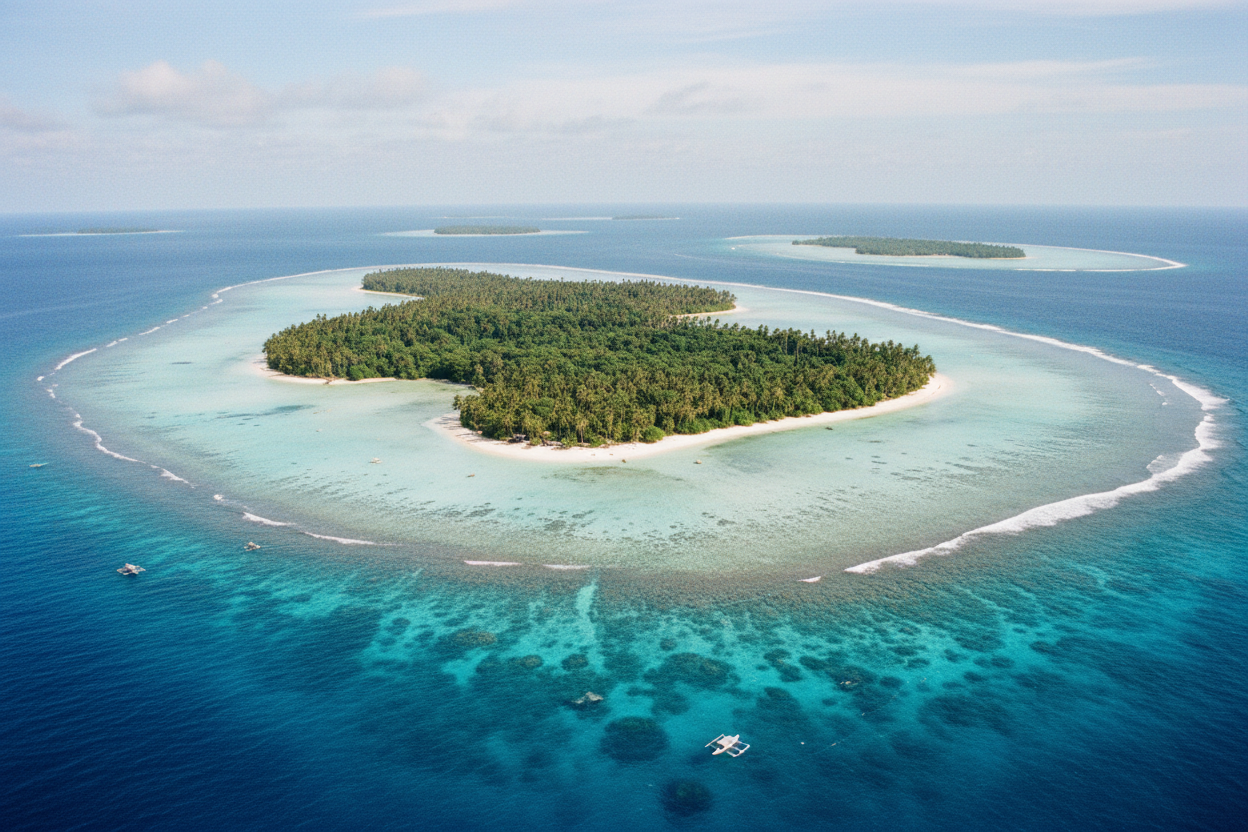
Craft an island chain that suits your pace, not just a map's temptation. Start with two or three anchor islands, then layer shorter hops as confidence grows. Build buffer time into every transfer to absorb delays from tides, swells, or fully booked boats. Check ferry schedules early, but keep a Plan B like a shared speedboat or local fisherman charter if weather reshuffles plans. Stagger big crossings with restorative beach days so you are not unpacking nightly. Aim for at least two nights per stop to sample markets, trails, and reefs without rushing. Download offline charts and maps before departure; coverage can fade between bays. Consider prevailing winds and typical afternoon chop, targeting morning departures when seas are often calmer. When choosing hubs, favor islands with multiple routes to act as safety valves for itinerary pivots. Finally, set expectations: the magic of island time is real, and a flexible mindset can turn a missed boat into a memorable sunset on an unexpected shore.
Sea Safety
Saltwater adventures shine when safety is second nature. Always wear a properly fitted life jacket on small craft and keep hands clear of lines as boats dock. If you get queasy, preempt seasickness with hydration, light snacks, and forward-facing seats near fresh air. The sun reflects fiercely off water, so rotate time in shade, reapply reef-safe sunscreen, and carry electrolytes to replace what heat steals. Snorkeling or wading, shuffle feet on sandy bottoms to avoid surprises, never stand on coral, and treat minor reef cuts promptly. Store phones and documents in a waterproof pouch and brief your group on a simple emergency plan with meet points if separated. Respect crew directions during swells, keep weight balanced, and secure loose items before the throttle opens. Consider travel insurance that covers small-boat segments and water sports. Above all, know your limits; calm lagoons can hide strong currents, and even confident swimmers benefit from a buddy, a bright surface marker, and conservative calls.
Culture & Nature
Island communities and ecosystems thrive when visitors tread gently. Follow Leave No Trace principles: pack out what you pack in, refuse single-use plastics when possible, and carry a reusable bottle to refill at safe sources. Choose reef-safe sunscreen and a long-sleeve rash guard to protect both skin and coral. In villages, dress modestly away from beaches, learn a few local greetings, and ask before photographing people or sacred spaces; this simple local etiquette opens doors and smiles. On the water, never chase turtles, dolphins, or birds, and observe marine protected areas with patience and distance. If boating, encourage anchoring on sand rather than coral and support operators who practice low-impact mooring. Conserve fresh water on small islands where supply can be limited, and favor seasonal, locally sourced dishes that circulate benefits within the community. Hire local guides to interpret traditions and habitats, turning a scenic swim into a story-rich encounter that respects heritage while enhancing your own understanding.
Money & Logistics
Smooth island hopping blends realistic budgets with nimble systems. Carry cash and small bills for village ferries, fruit stands, and tips, since ATMs can be scarce or down. Compare ferry, speedboat, and charter options: ferries cost less and carry more luggage, speedboats shave time on popular hops, and charters add flexibility for groups or off-hour transfers. Clarify baggage limits to avoid surprise fees, and keep a lightweight daypack ready with snacks, water, towels, and boarding documents. Download offline maps, tide tables, and translation tools; consider a local SIM for coverage on bigger hubs. Track expenses with a simple note on your phone and hold a small cancellation cushion for weather pivots. If you need to stash baggage between hops, ask guesthouses or marinas about short-term storage. Eat where boats unload fresh catch, plan early sunrise starts for calmer water, and cluster activities by port to avoid backtracking. The right mix of planning and play keeps your route agile while your budget stays on course.