Indoor Herb Gardens: Fresh Flavor at Your Fingertips
Transform a sunny sill into a year-round herb garden. Get tips on light, pots, soil, watering, and harvesting for fresher, faster weeknight cooking.
Fresh Flavor Indoors: An indoor herb garden brings vibrant, fresh taste to your kitchen and a bit of green serenity to any room. Even in compact spaces, a windowsill or countertop can become a mini oasis that supplies sprigs of basil for pasta, mint for tea, and thyme for roasts. The beauty of growing herbs inside is the immediate access to fresh flavor at your fingertips, without a trip to the store. You control the environment, which helps reduce waste and boosts consistency in taste and texture. Start with a few reliable favorites and build from there as your confidence grows. Choose spots you naturally pass during the day so you remember to water, rotate, and harvest. Embrace an aesthetic that suits your home—sleek planters for a modern look or rustic clay pots for classic charm. Most importantly, set expectations: herbs are living companions that reward steady care, thoughtful observation, and a willingness to learn from small successes and mistakes.
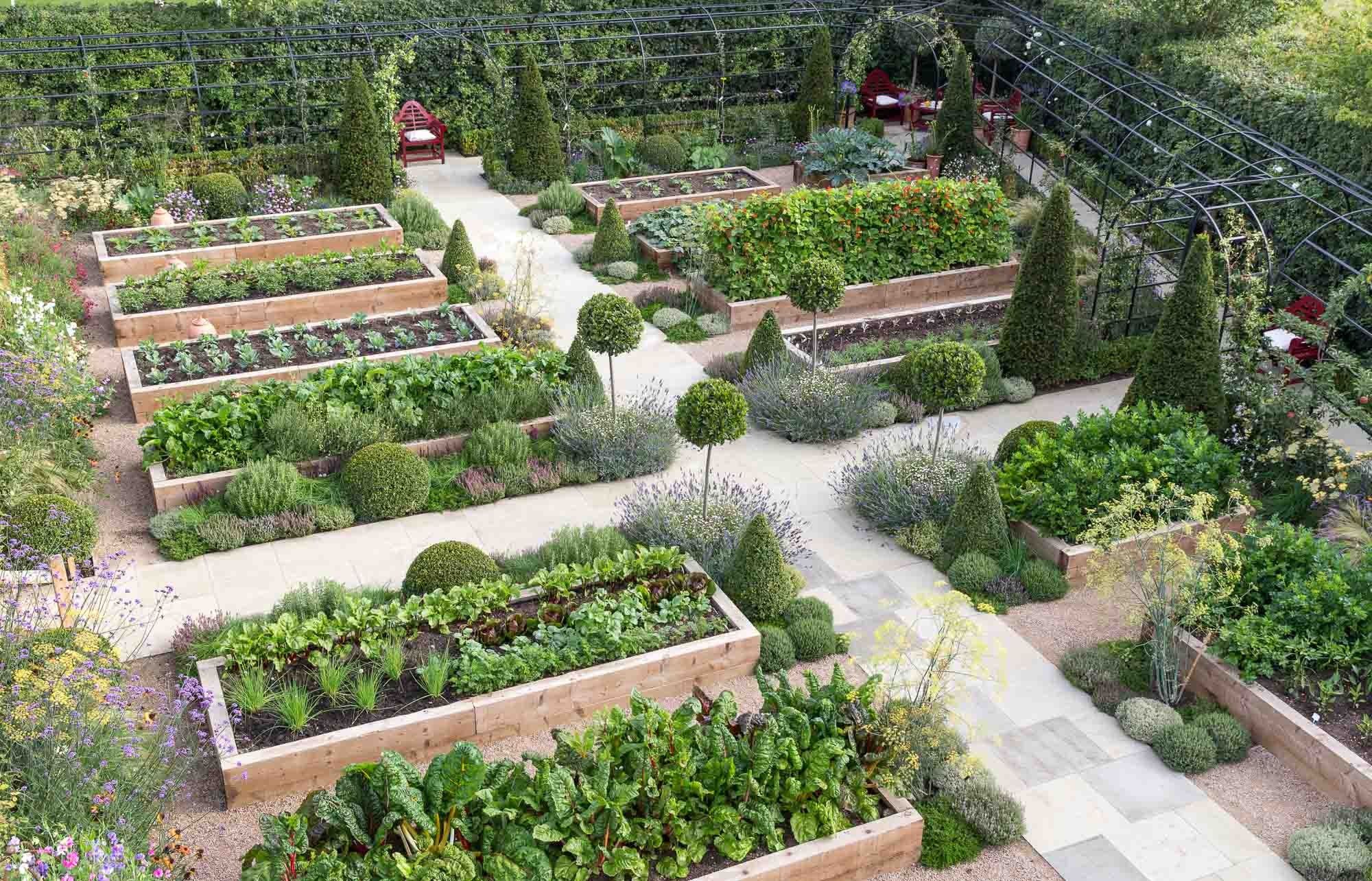
Light and Location: Light is the fuel that powers lush, fragrant growth, and herbs crave bright light. A sunny window that provides several hours of direct or very bright indirect light is ideal. South- or east-facing exposures often work well, while west-facing spots can be intense and may need a sheer curtain. If natural light is limited, consider grow lights positioned close to the leaves without causing heat stress; adjust height as plants grow, and keep lights on a consistent schedule. Rotate containers regularly so stems develop evenly, and wipe dust from leaves to maximize photosynthesis. Reflective surfaces—light-colored walls or a nearby mirror—can help bounce brightness deeper into foliage. Watch your plants for clues: leggy stems and pale leaves signal insufficient light, while crisping or sunscald suggests too much. Finding the sweet spot takes a bit of experimentation, but once you dial in location and intensity, your indoor herb garden will respond with compact, aromatic growth.
Choosing Herbs and Containers: Select herbs that suit your cooking style and home environment. Basil, mint, parsley, chives, thyme, rosemary, and cilantro are popular choices, each with unique growth habits and flavor profiles. Start with healthy, disease-free seedlings or propagate from cuttings when appropriate. Use containers with reliable drainage holes to prevent waterlogged roots, and match pot size to the plant's vigor—mint spreads quickly and appreciates room, while thyme prefers snug quarters. Opt for a high-quality, well-aerated potting mix rather than garden soil; a blend with perlite or pumice helps roots breathe. Feed lightly with a balanced, diluted fertilizer during active growth, and refresh the top layer of soil periodically to maintain structure and nutrients. Group herbs by similar needs—pair moisture-loving basil with parsley, and keep drier Mediterranean herbs together. Label your pots to avoid mix-ups, and consider a compact shelving unit or tiered stand to maximize vertical space while keeping leaves within easy reach.
Watering, Humidity, and Airflow: Consistent watering is essential, but overdoing it is the quickest route to root rot. Check moisture by feeling the top inch of soil; water thoroughly only when it's dry to the touch, letting excess drain away. Empty saucers so roots never sit in standing water. Indoor air can be dry, so boost humidity by grouping plants, placing pots on pebble trays with water below the pot base, or using a small humidifier nearby. Ensure gentle air circulation—a low fan or an open doorway helps reduce fungal issues and keeps stems sturdy. Aim for steady temperatures and avoid hot appliances, cold drafts, or heat vents. Yellowing, droopy leaves often indicate too much water, while crispy edges can signal low humidity or underwatering. Adjust one variable at a time so you can see what works. With good airflow, balanced moisture, and a breathable soil mix, herbs develop resilient roots and aromatic foliage that stands up to regular harvesting.
Pruning, Harvesting, and Plant Health: Smart pruning keeps herbs compact, productive, and flavorful. Pinch basil above a pair of leaves to encourage branching, trim mint to prevent lanky runners, and lightly shape thyme and rosemary to maintain form. Regular harvesting signals the plant to produce new growth; take small amounts often rather than large cuts infrequently. Always use clean, sharp scissors to avoid crushing stems, and remove yellowed leaves promptly to improve airflow. Keep an eye out for pests like aphids, spider mites, and fungus gnats. Inspect the undersides of leaves, rinse plants gently in the sink if you see trouble, and use insecticidal soap or a light horticultural oil when needed. Quarantine new plants for a short period before integrating them, and avoid overwatering—gnats love soggy soil. Rotate pots, refresh tired growth with selective trimming, and repot as roots fill containers. Healthy herbs smell stronger, taste brighter, and recover faster from routine snips.
Cooking, Style, and Everyday Joy: An indoor herb garden elevates everyday culinary moments. Toss torn basil into salads, muddle mint for sparkling water, whisk chives into omelets, and finish roasted vegetables with a shower of parsley. Create simple herb butters, quick pestos, and fresh dressings that spotlight your harvest. Preserve surplus by freezing chopped herbs in olive oil cubes or air-drying small bundles in a shaded, airy spot. Beyond cooking, let your garden reflect your style: a row of matching white pots for a clean look, a vintage tray for a cozy vibe, or a wall-mounted rail for vertical drama. The ritual of watering, rotating, and snipping becomes a calming practice that reconnects you with the rhythm of growth. Starting small keeps care manageable, and each success invites you to expand confidently. With light dialed in, drainage ensured, and mindful maintenance, you'll enjoy fresh flavor, fragrant foliage, and a beautiful living accent right at home.