Hidden Coastal Getaways Off the Beaten Path
Discover secluded shores, small-town harbors, and wild coastal trails where crowds thin and local culture thrives-your map to the sea's quiet side.
Quiet Horizons
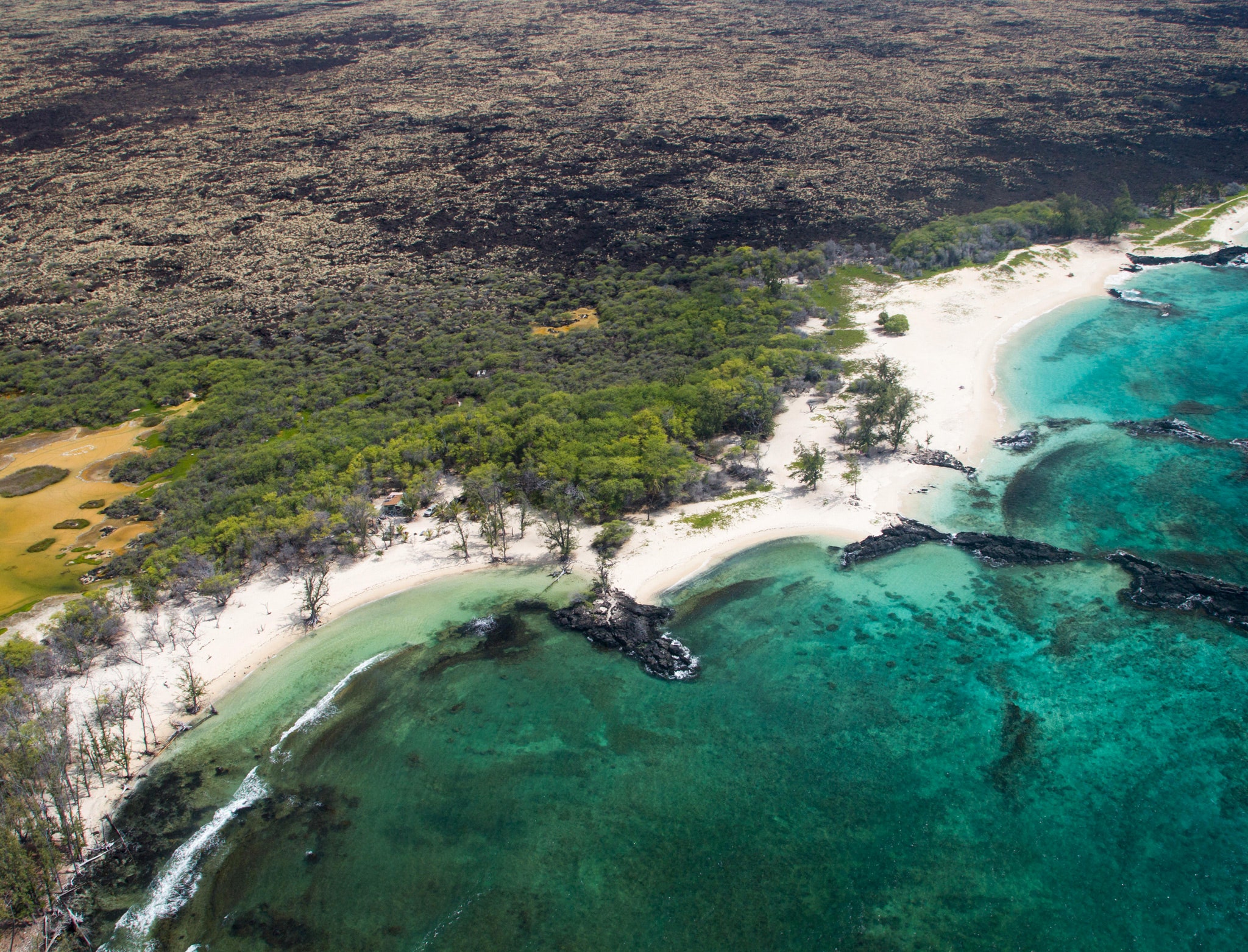
Slip past the usual postcards and you will find hidden coves where the shoreline exhales in peace. These are the places where gulls outnumber sun umbrellas, where the rhythm is set by tides rather than timetables. A true off the beaten path escape feels human in scale: a footpath to the sand, a family-run café, a harbor that sleeps when the wind stills. You come for tranquility, but you stay for texture—the hiss of foam over pebbles, the scent of pine above a crescent of shell. Embrace slow travel by letting mornings unfold without agenda, asking locals about safe swims, and choosing routes that reward patience. In these corners, uncrowded beaches invite long walks and unhurried swims, and the absence of blaring nightlife becomes a luxury. Approach with curiosity and care, seeking out local culture and supporting sustainable tourism. When you leave, take only stories and a clearer sense of how generous the sea can be when we meet it gently.
Finding the Unfindable
Discovering coastal calm starts with reading the landscape differently. Study satellite imagery to trace sandbars, note estuary mouths on nautical charts, and compare tide charts so your arrival aligns with firm sand and safe crossings. Ask ferry dock crews about quiet landings, chat with bakers before dawn, and listen to fishers' wisdom about weather windows and swell. Pack light yet purposeful: a small dry bag, a compact headlamp with a red beam, reef-safe sunscreen, and layers that shrug off sea breeze. Download offline maps and learn landmarks in case reception fades. Respect gates, stiles, and signed paths—respect access keeps wild places open. Treat water sources cautiously, and remember that coastal conditions change quickly; simplicity thrives when safety leads. Follow the shoreline with humility: give space to working boats, avoid nesting zones, and tread softly through dunes. Above all, leave no trace so your footprints fade with the next tide, while memories and gratitude linger.
Harbor Life
Small harbors are living classrooms of tide and time. Ropes creak, gulls barter, and the working waterfront ticks through quiet rituals that reward early risers. Wander respectfully, letting the day begin around you: crates of dayboat catch stacked neatly, coffee steam rising from a single window, the thrum of a diesel easing out to the grounds. Seek lodging where families hang nets to dry—homestays and tiny inns where questions turn into stories. Buy direct from the pier when permitted and ask how to prepare the fish simply, with lemon and sea salt. Support community-based tourism by booking a modest harbor outing or a shoreline cleanup, and by choosing artisans who weave rope mats or carve buoys—keepers of craft traditions. Practice responsible photography by asking permission and putting the camera down when work is intense. In the afternoon, sip something local and watch the tide reverse, realizing you have become part of the harbor's patient conversation.
Raw Nature
Wild beaches feel elemental, where dune systems reshape with each gust and tide pools stage sparkling dramas of anemones and scuttling crabs. On one headland, a seam of rock might hide a sea cave; in a sheltered bay, mangroves braid brackish nursery waters; offshore, kelp forests sway like cathedrals. Some nights, bioluminescence freckles the swash with living stars. Explore slowly and stay humble: fragile marine sanctuaries rely on your restraint. Step on wet sand or existing paths to spare vegetation, and keep a respectful arc around nesting shorebirds. Learn to read rip currents, travel with a buddy, and favor natural fibers that shed fewer microplastics. Bring a red-light headlamp so nocturnal species can carry on undisturbed. If cliffs or soft sand threaten safe egress, wait for a better window; the sea rewards patience more than bravado. When wind sculpts waves and solitude settles, you will feel the old promise of the coast—untamed, generous, and always in motion.
Waterway Wanders
The most intimate paths to seclusion often trace the waterline. Launch at dawn and stitch a necklace of quiet coves by kayak or SUP, reading the slack tide to slip through inlets that close with the turn of the moon. Hug the lee of headlands, watch for eddies that nudge you forward, and keep a respectful berth from haul-outs and reefs. Peer below the surface to seagrass meadows where pipefish and rays ghost through light, and let the paddle become a metronome for low-impact adventure. Carry safety gear that actually gets used: a snug PFD, a whistle, a dry layer, and a tidy repair kit. If renting equipment, choose outfitters who maintain gear and share local etiquette. On foot, trace cliff paths to smugglers' steps and storm beaches, choosing solitude over spectacle. When the sun climbs, drift to shore for a swim in a pocket of glassy green, the only soundtrack a soft clink of pebbles and your own steady breath.
Coastal Flavors
Hidden coasts cultivate simple, impeccable tastes. Follow the scent of smoke to a grill where fillets meet flame within hours of landing—dock-to-dish without fanfare. Seek sea-to-table plates that let briny sweetness sing: lightly cured fish with citrus, charred vegetables dressed in olive oil, bread still warm from a stone oven. Ask about sustainable species and celebrate seasonal produce from nearby plots—tomatoes lush with sun, herbs snipped minutes before serving. For picnics, assemble a basket with plastic-free picnics in mind: beeswax wraps, refillable bottles, a cloth for shade. Visit local markets early for salted anchovies, pickled seaweed, and farmhouse cheeses, then pack out every crumb. If foraging is offered, prioritize foraging ethics led by licensed guides who teach identification, portions, and respect for habitat. End the day with a seaside tea or a simple fruit tart, flavors sharpened by salt air and contentment, proof that restraint can be its own culinary luxury.
Stays with Purpose
Where you sleep shapes how you see the shore. Choose eco-lodges and cottages tucked behind dunes, not on top of them, where boardwalks float above roots and views frame the horizon rather than dominate it. Ask hosts about renewable energy and water conservation practices like solar arrays, rain capture, and low-flow fixtures. Seek waste reduction measures—bulk toiletries, composting, and refill stations. At night, dark-sky practices reveal constellations, while soft window shades protect migrating birds. Join community partnerships by attending a beach restoration morning or visiting a maritime museum curated by neighbors. When possible, arrive by public transit or rideshare, then walk or cycle locally. Keep noise low, lights warmer, and expectations flexible; a rustic edge often signals a light footprint. Before leaving, share feedback that rewards stewardship and craft. The reward is immersion: a room that smells faintly of wood and sea, and a sunrise that feels entirely earned.
Gentle Itineraries
Coastal magic resists rigid clocks. Build flexible itineraries that follow tide and mood: a slow morning watching fog peel off the headland, an afternoon nap when wind picks up, a starlit walk when the surf hushes. Create unplugged moments by tucking your phone away, then tune in to textures—salt on lips, grit of sand, gull chatter above. Keep plans spacious enough to welcome serendipity: a pop-up market on the quay, a chance to join a shoreline survey, a friendly invitation to learn knotwork. Practice travel journaling with sketches and field notes rather than exact geotags, and share responsibly so small places are not overwhelmed. If weather redirects your path, let it; the sea is the oldest teacher of flexibility. Before departing, give back with a donation to local conservation or a quiet beach cleanup. Leave lighter than you arrived, with a mind unknotted and a pocket full of tide-tuned time.