Grow a Thriving Windowsill Herb Garden
Turn a sunny sill into a fresh, fragrant herb supply. Learn light, pots, soil, watering, pruning, and year-round tips for vigorous indoor herbs.
Find the Brightest Spot
Healthy herbs begin with ample light, so choose a windowsill that receives strong, consistent brightness each day. A south-facing or west-facing window usually provides the most intensity, while east-facing works well for delicate or shade-tolerant varieties. If shadows stay crisp for much of the day, you are on the right track. When light is limited, supplement with a small, full-spectrum grow bulb positioned close to foliage, adjusting height to prevent leaf scorch. Mind temperature swings near glass; drafts and blasts from heaters can stress plants. Aim for gentle air circulation to discourage mildew without drying leaves. Keep foliage from touching cold panes and rotate pots a quarter turn each week for even growth. Observe how leaves respond; pale, leggy stems signal insufficient light, while scorched patches suggest too much intensity. By tuning location, angle, and spacing, you create a microclimate that allows tender herbs to photosynthesize efficiently and remain compact, aromatic, and resilient on a modest sill.
Choose Herbs That Suit Your Space
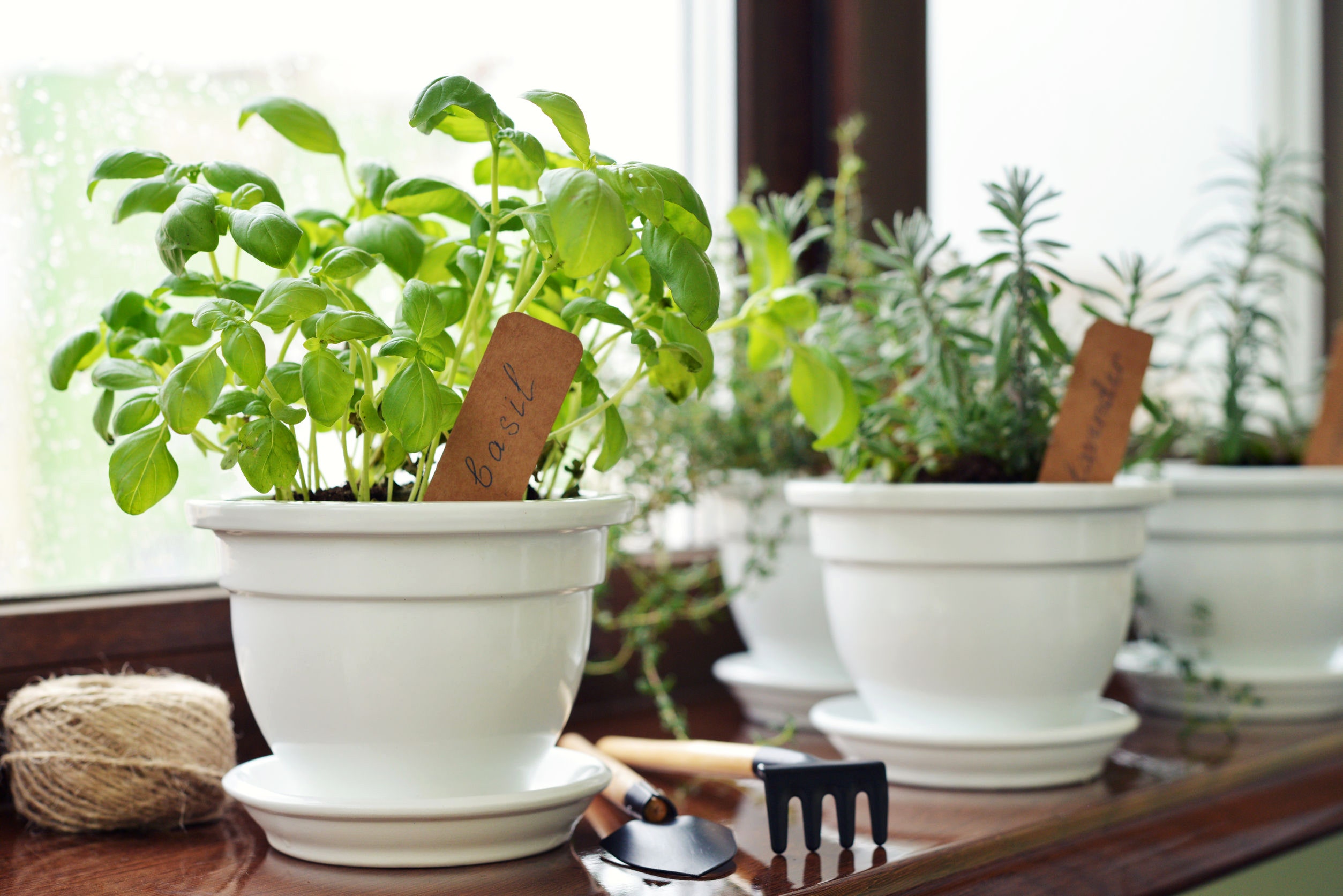
Match the character of each herb to your conditions and cooking style to build a truly thriving assortment. Basil loves warmth and abundant sunlight, delivering lush leaves for pesto and salads. Mint tolerates partial shade and irregular watering but spreads vigorously, so contain it in its own pot. Thyme and rosemary prefer brighter light, excellent drainage, and slightly drier intervals, rewarding you with woodsy aroma and sturdy sprigs. Chives are forgiving and regrow quickly after snipping, while parsley appreciates steady moisture and patience as it fills in. Cilantro favors cooler conditions and benefits from frequent sowing to keep fresh, leafy growth coming. Consider plant size and habit; trailing forms cascade nicely, whereas upright, compact varieties suit tight sills. Combine textures and scents to maximize yield and pleasure, and choose cultivars bred for containers when possible. By curating a balanced mix, you will harvest flavor across cuisines while keeping maintenance manageable and tailored to your space.
Pick the Right Pots and Soil
Containers make or break indoor herb success, so prioritize drainage, breathable materials, and the right potting mix. Select pots with generous drainage holes and use matching saucers to protect your sill. Terra-cotta breathes and helps prevent soggy roots but dries faster, while lightweight plastic retains moisture longer. Opt for a high-quality, soilless blend with components like perlite or pumice to ensure airflow around roots; skip dense garden soil that compacts indoors. For steady moisture, consider a self-watering insert or reservoir, but still allow occasional flushes to avoid salt buildup. Right-size the pot to the plant's current root system; oversized containers can stay wet too long, inviting rot. Refresh the top inch of mix periodically and repot when roots circle the base. A thin layer of decorative gravel on top can deter fungus gnats and splashing. With thoughtful pot and medium choices, you create a root-friendly foundation that supports vigorous growth and full, fragrant leaves.
Water and Feed with a Light Touch
Successful watering is about rhythm, not routine. Use the finger test to gauge moisture an inch below the surface; water thoroughly only when it feels dry at that depth. Let excess drain freely and never let pots sit in standing water, which promotes overwatering and root stress. Bottom watering can be helpful for tidy hydration, but alternate with top watering to flush accumulated salts. Many herbs appreciate moderate humidity, so cluster plants together or place pots on a tray of pebbles with water below the stones. Feed lightly during active growth with a gentle, balanced fertilizer diluted to a weak solution; too much nutrition creates soft, bland growth. Watch foliage for signals: droop with dry mix suggests thirst, while yellowing with soggy mix suggests overdoing it. Adjust by herb type; woody mediterranean plants prefer drier intervals, while leafy types like basil and parsley enjoy slightly more consistent moisture. Consistent yet conservative care keeps flavors concentrated and plants resilient.
Prune Smart for Flavor and Growth
Thoughtful pruning turns a single stem into a bushy, productive herb. Harvest by pinching or cutting just above a leaf pair, which encourages branching and keeps plants compact. With basil, remove tender tips regularly and avoid letting stems elongate uncut; this channels energy into new leaf production. For parsley, snip outer stems at the base first, allowing inner shoots to mature. With thyme and rosemary, trim lightly and often, avoiding hard cuts into old woody sections. Aim to take no more than a third of a plant at one time to prevent stress, and stagger harvests across multiple pots for continuous supply. Remove flower buds promptly on bolting-prone herbs to preserve leaf flavor, and consider sowing small batches of cilantro in intervals to maintain tenderness. Keep blades sharp and clean to minimize disease entry points. Regular, strategic harvesting not only boosts yield but also intensifies aroma by directing energy where flavor lives most.
Prevent Pests and Problems Naturally
A proactive integrated approach keeps most indoor issues at bay. Inspect new plants carefully and quarantine for a short period before placing them on the main sill. Wipe dust from leaves to support efficient photosynthesis and improved pest detection. Check leaf undersides for aphids or mites, and look for wavy webbing or sticky residue as early warning signs. Improve airflow with a gentle fan if leaves stay damp or crowded, and avoid splashing soil to discourage fungus gnats. Water thoughtfully; consistent moisture without saturation reduces stress that attracts pests. If trouble appears, start with the least disruptive tools: manual removal, a cool water rinse, or a mild insecticidal soap. For persistent issues, a light application of neem oil can help, but always test on a small area first. Remove heavily infested stems and refresh topsoil if necessary. By combining sanitation, observation, and gentle interventions, you protect your herbs while preserving edible quality and household comfort.
Keep Momentum and Enjoy the Harvest
Sustain your windowsill ecosystem with small, regular habits that pay big dividends. Rotate pots weekly for even light exposure and balanced shape. Refresh fast-growing herbs by taking cuttings; many, like basil, mint, and rosemary, root easily in water before planting back into fresh mix. Top-dress with a thin layer of new potting blend to renew nutrients, and repot when roots become crowded. Re-sow cool-loving herbs periodically to outpace bolting and maintain tender leaves. During darker months, extend daylength with a modest grow bulb and pull plants a bit back from chilly panes. As your harvests increase, store overflow smartly: loosely dry hardy sprigs, chop and freeze tender leaves with a splash of oil, or fold minced herbs into compound butter for quick flavor. Keep a small notebook or digital log of what thrives on your sill. These subtle, repeatable steps keep herbs productive, aromatic, and ready for everyday kitchen inspiration.