Gaming Peripherals That Improve Precision and Comfort
Discover mice, keyboards, headsets, mousepads, chairs and grips that boost aim accuracy, reduce fatigue, and keep you comfortable in marathon gaming sessions.
Precision-Focused Gaming Mice
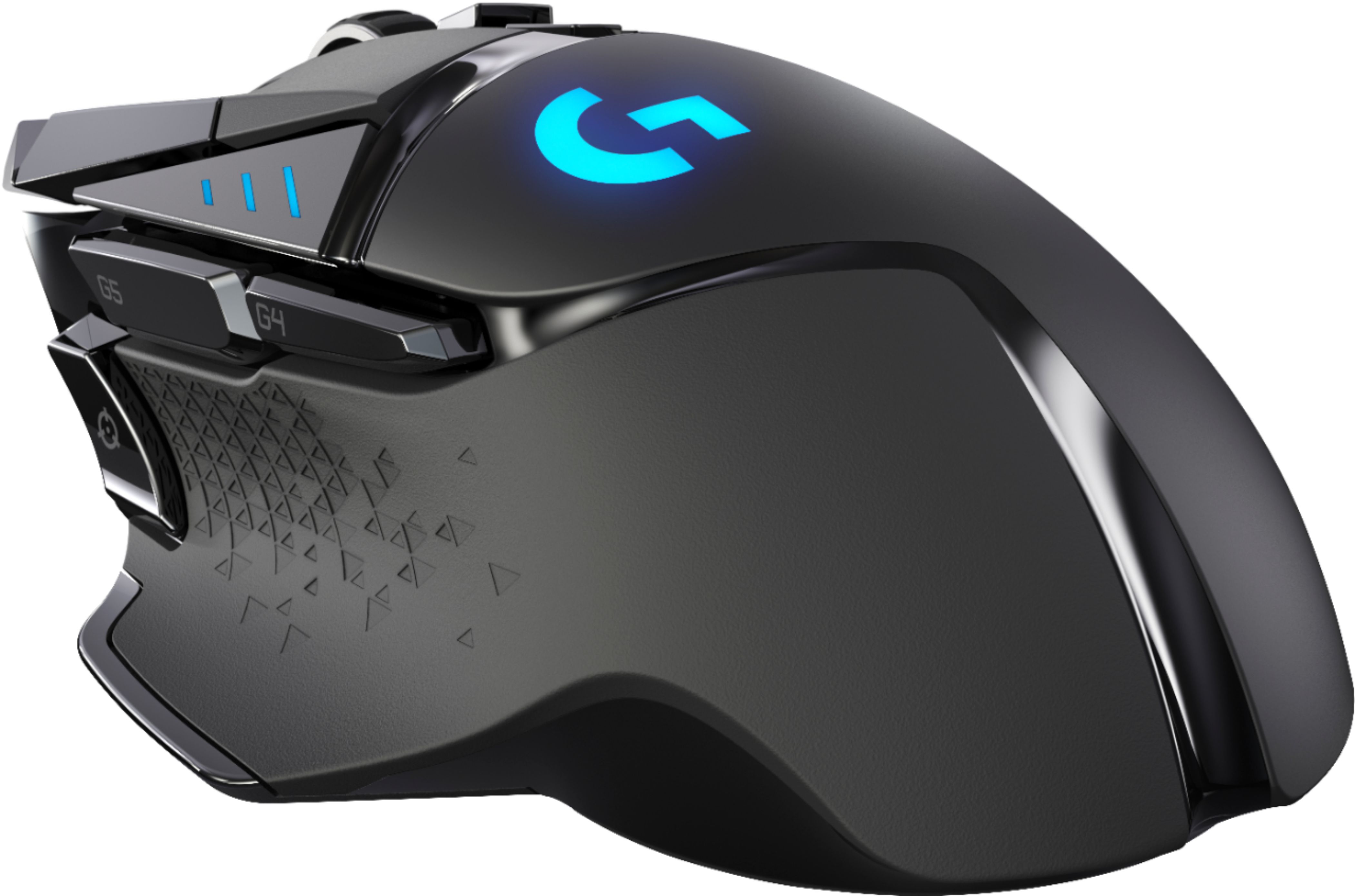
Choosing the right gaming mouse can elevate both precision and comfort by aligning hardware characteristics with your hand shape and play style. Look for an ergonomic shell that supports your preferred grip type—palm, claw, or fingertip—and consider weight distribution as much as overall mass to reduce fatigue during long sessions. A quality optical sensor with consistent DPI/CPI scaling, minimal acceleration, and a high polling rate helps translate micro-movements into predictable on-screen aim. Adjustable lift-off distance prevents unintended cursor drift when repositioning, while crisp, low-latency switches preserve click timing. For smoother glides, PTFE skates paired with a compatible surface reduce friction and improve tracking stability. If you prefer wireless freedom, seek low-latency protocols, robust interference resistance, and dependable battery management so performance stays stable under load. A flexible cable or mouse bungee can also minimize drag on wired setups. Finally, on-device profiles and onboard memory let you fine-tune sensitivity, macros, and lighting without software running in the background, streamlining consistent performance wherever you play.
Mechanical Keyboards for Accuracy and Endurance
A well-tuned mechanical keyboard refines control while supporting wrist and finger comfort. Switch choice matters: linear, tactile, and clicky switches each deliver distinct feedback, affecting actuation force, travel distance, and rhythm. Consistent key feel reduces hesitation, while stabilized larger keys maintain accuracy during rapid inputs. Features like N-key rollover and anti-ghosting ensure simultaneous presses register cleanly, essential for complex movement and ability combos. For comfort, pair the board with an ergonomic wrist rest to maintain neutral wrist angles, or explore split and tented designs that reduce strain across shoulders and forearms. Durable PBT keycaps, thoughtful profiles, and well-lubed stabilizers improve sound and feel, reducing fatigue over time. Advanced programmability—layers, macro recording, and per-key remapping—lets you tailor commands to your muscle memory, enhancing speed without overreaching. Sound-dampening materials can soften harsh acoustics, making extended sessions more pleasant. Compact TKL or smaller layouts free desk space for wider mouse arcs, while full-size boards keep a familiar number pad for utility tasks between matches.
Mouse Pads and Surfaces that Guide Your Aim
Your mouse pad is a critical link between sensor and movement, shaping how your aim feels and responds. Control surfaces provide micro-texture that amplifies precision for fine crosshair adjustments, while speed pads minimize surface friction for rapid flicks. Size influences comfort and consistency: large desk mats accommodate sweeping arm motions without frequent lift-offs, which can introduce error. Construction quality matters; a stable non-slip base prevents inching during intense play, and stitched edges resist fraying for durable, uniform glide. Material choice—cloth, hybrid, or hard—affects feedback and maintenance needs, with some surfaces better at resisting humidity-induced drag. Pair your pad with PTFE skates for predictable glide, and clean both periodically to remove dust that can disrupt tracking. Pay attention to surface uniformity, as inconsistent weaves can cause micro-stutters in cursor movement. Ultimately, the right pad balances speed and control for your style, smoothing out minute inconsistencies so your hand, sensor, and on-screen reticle move as one.
Headsets and Microphones for Positional Awareness
Audio accessories shape your ability to localize threats and communicate clearly without discomfort. A gaming headset with precise positional audio and stable imaging can reveal footsteps, reloads, and directional cues with reliable separation. Decide between open-back designs, which offer a wider, airier soundstage, and closed-back models that emphasize noise isolation—each affects immersion and spatial accuracy differently. Comfort hinges on clamping force, ear pad material, headband suspension, and overall weight, all of which influence fatigue and heat buildup during extended sessions. Clear, flexible boom microphones with noise suppression, built-in pop filtering, and adjustable gain preserve your voice while cutting ambient distractions. Features like sidetone, chat mix, customizable EQ, and quality DAC or low-latency wireless options let you fine-tune communication without breaking focus. Cable routing or a neat wireless dock also reduces desk clutter, helping you stay organized. The right audio setup lightens the cognitive load, so you can react faster and maintain game awareness without straining.
Controllers, Accessories, and Ergonomics That Reduce Strain
Beyond mouse and keyboard, specialized peripherals and ergonomic add-ons refine control while protecting your body from strain. High-quality controllers with precise sticks, adjustable dead zones, responsive trigger stops, and remappable paddles can sharpen aim and reduce thumb travel. Advanced sensors, such as Hall-effect mechanisms, offer smoother input curves and long-term consistency. Simulation fans benefit from load-cell pedals, tuned force curves, and stable mounting solutions that transform delicate throttle or brake modulation into repeatable muscle memory. Comfort-centric accessories—wrist rests, adjustable armrests, and a supportive chair with reliable lumbar and seat depth adjustments—help maintain neutral posture. A monitor arm sets ideal viewing height and distance, while bias lighting behind the display eases eye strain in dim rooms. Tidy cable management, including a mouse bungee, reduces drag and distractions. Small upgrades compound: when your setup minimizes pressure points and simplifies motion paths, your inputs stay consistent, your focus sharpens, and your precision improves across long sessions.