Declutter Your Space, Clear Your Mind
Clear clutter, clear mind. Learn the science-backed benefits of tidying and a step-by-step plan to simplify, reduce stress, and reclaim your focus.
Why Clutter Weighs You Down
Clutter is more than a pile of stuff; it is mental noise that taxes your attention and drains emotional energy. Every object within view becomes a tiny decision you postpone, feeding decision fatigue and scattering your focus. The brain constantly scans for relevance, and messy surfaces force repeated context switching that undermines deep work and calm. Unfinished projects whisper shoulds, while random items act like open loops that keep your thoughts spinning. Over time, this creates a low hum of tension that crowds out clarity, creativity, and rest. Decluttering is not about perfection; it is a lifestyle choice that restores agency and turns your environment into an ally. When your space holds only what you need, love, or use, it becomes a clear dashboard for your life. You stop tripping over the past and start moving freely toward what matters now. Declutter your space, and your mind gains room to breathe, choose, and fully be present.
Start Small, Start Smart
The fastest path to momentum is micro-decluttering—one drawer, one shelf, one square foot. Set a 10-minute timer and sort with a simple triage: trash, transfer, treasure. Trash is obvious clutter; transfer belongs elsewhere; treasure stays with purpose. Use the one-touch rule: when you pick something up, decide its fate immediately to avoid rehandling. Pair each session with a habit you already do—coffee brewing, post-work decompression—so the routine becomes a habit stack. Create a lightweight staging area: a small bin for trash, a bag for donations, a tray for items to re-home. Snap quick before-and-after photos to make progress visible and self-rewarding. Keep decisions tiny: can this item earn a clear, easy-to-name purpose or a designated home? If not, it leaves. Avoid marathon cleanups that spark burnout. Micro-sprints add up, lower resistance, and build a consistency muscle—the key to sustainable change. Begin where friction feels highest, and let small wins compound.
Systems That Stick
Lasting order comes from systems, not occasional purges. Give everything a home, design clear zones, and reduce friction so the easiest action is the right one. Create a landing zone at the door with a shallow tray for keys, a hook for bags, and a small sorter for incoming papers. Label containers with verbs (Pay, Read, Return) so your brain knows what action each bin invites. Use vertical space—shelves, pegboards, over-door hooks—to keep surfaces open and visual noise low. Set up exit routes: a labeled donation tote and a returns bag near the door so outgoing items leave promptly. Adopt a one-in, one-out policy for categories prone to overflow—mugs, tech cables, skincare, hobby supplies. For papers and digital files, mirror the same few folders across devices to simplify retrieval and reduce search time. Schedule quick reset rituals at natural transitions—after meals, end of day—to restore baseline order. Systems that are simple, visible, and easy to maintain will actually be used.
Edit Your Belongings with Kindness
Decluttering is an act of self-respect, not punishment. Edit with empathy by naming the stories your stuff carries: sunk-cost fallacy (I paid for it), gift guilt (someone gave it to me), someday syndrome (I might need it). Replace these scripts with future-self thinking: Will this item serve who I am becoming? Use the joy/usefulness test—it stays if it sparks a smile or supports a clear routine; otherwise, thank it and let it go. Sort by category, not location, to reveal duplicates and patterns. Prepare four containers: Keep, Donate, Recycle, Sell—and schedule pick-ups or drop-offs immediately so decisions stick. Keep a small memory box for sentimental items, and digitize bulk memorabilia to preserve meaning without mass. As you release excess, notice the relief in your body and the mental clarity that follows. Kind editing frees time, space, and attention for relationships, rest, and creative pursuits that make life feel truly light.
Design for Calm and Focus
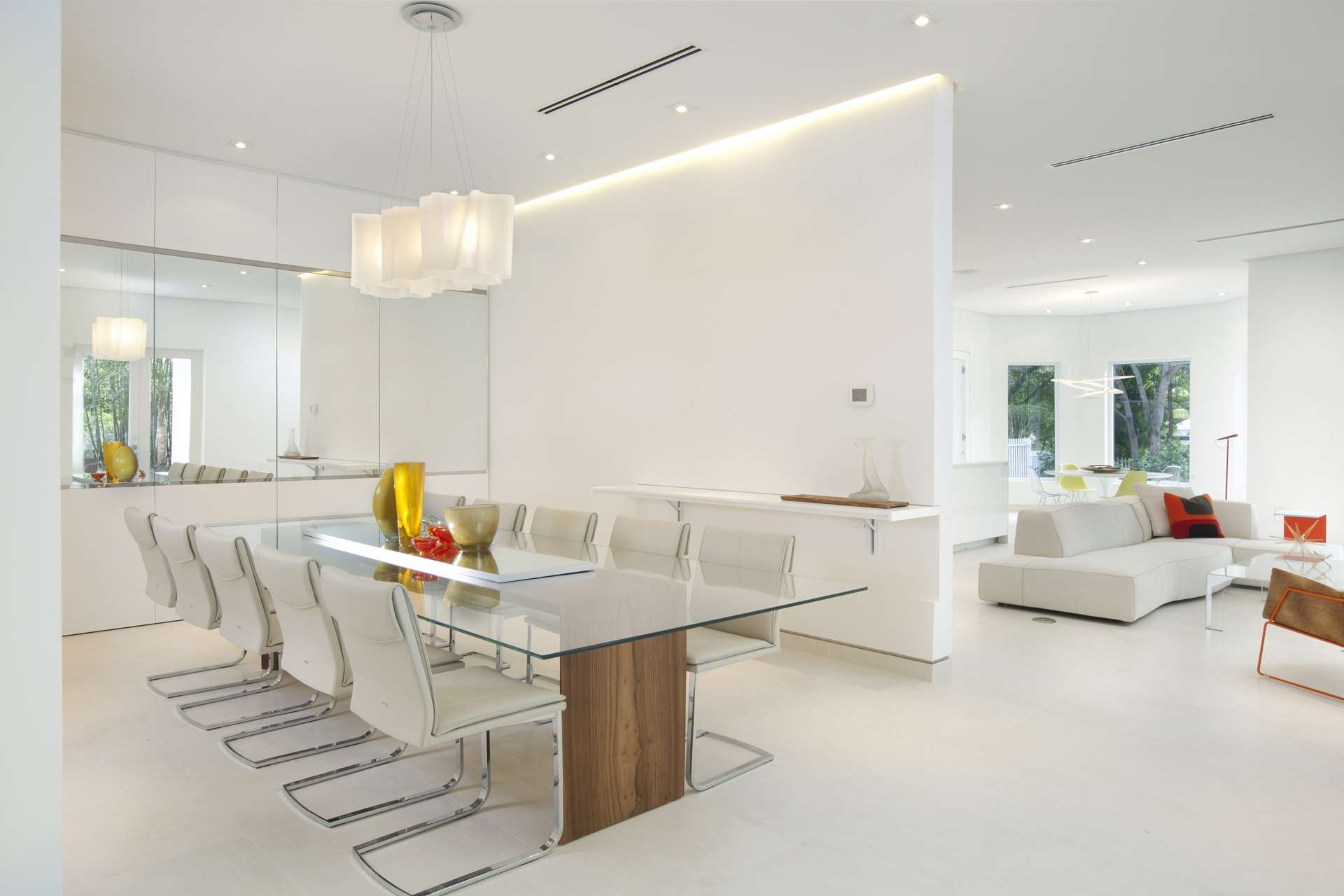
Once you've edited, amplify peace with intentional design. Favor whitespace: open surfaces that let the eye rest and the mind reset. Choose a cohesive palette and repeat textures to reduce visual clutter. Group like items in closed storage and display only a few purposeful objects that inspire you—an art piece, a plant, a meaningful photo. Prioritize light: clear windowsills, add warm bulbs, and use mirrors to bounce brightness. Corral tech with cable management and a discreet charging station so devices have a home. Tame sound with soft textiles and define a focus nook free from notifications and piles. For kitchens and workspaces, stage daily-use zones within arm's reach and store seldom-used items high or deep. Add subtle sensory cues—a calm scent, a soft throw—to signal transition into rest or work. Your space should tell a simple story: this is where you create, connect, refuel, and recover. Design choices that reduce friction also protect your attention.
Maintain the Momentum
Clutter creeps back unless you protect your gains with maintenance rituals. Anchor a 5-minute evening sweep to a reliable cue—closing your laptop, brushing your teeth—so baseline order returns daily. Do a weekly reset: clear surfaces, process papers, empty the donation tote, and re-home strays. Run a quick hotspot audit to find where stuff piles up; then tweak the system, not your willpower—add a tray, adjust a hook, resize a bin. Use the habit loop (cue–routine–reward): pair tidying with music and end with a small reward, like a page of a favorite book. Keep a tiny repair box and a returns bag ready, so postponed tasks don't stall flow. Set a recurring refresh session to review categories that expand silently—pantry, toiletries, digital downloads. Track wins in a progress log and celebrate visible gains. When life surges, default to essentials: clear floors, clear counters, clear inbox top. Momentum thrives on consistency, not perfection.