Declutter Your Home: Storage Hacks That Actually Work
Clear clutter and reclaim space with proven storage hacks that work in every room, plus easy labeling and routines to keep your home tidy for good.
Start With a Smart Sort
Before you buy a single bin, begin with decluttering that actually respects your space and habits. Work zone by zone, so a single drawer, shelf, or corner gets your full attention. Pull everything out, wipe the surface, and use a simple three-box method: keep, relocate, and let-go. Ask clear questions: Do I use this? Does it fit my life today? Do I have a duplicate that performs better? Edit first, then contain. Measure what remains and choose containers that fit the shelf height and depth rather than forcing items into random boxes. Corral small parts in lidded trays, keep everyday essentials within easy reach, and assign a visible landing spot for frequent grab-and-go items. As you sort, stage donations immediately, bag trash, and place returns in a dedicated tote. This intentional start gives every decision momentum, sets boundaries for new arrivals, and creates a calmer home and garden environment from the ground up.
Vertical Space, Hidden Potential
When floor space is tight, think up. Vertical storage transforms walls, doors, and even ceilings into hardworking real estate. Add floating shelves with sturdy brackets, or install a track system that adapts as needs change. A pegboard makes tools, craft supplies, or gardening gear visible and easy to reshuffle—use hooks, baskets, and small shelves to tailor the layout. Inside cabinets, mount slim racks for cutting boards and pans, and use adhesive caddies on doors for wraps or cleaning supplies. Try over-the-door organizers in closets and bathrooms to host shoes, scarves, toiletries, or pantry packets. In garages, ceiling-mounted racks can hold seasonal bins; keep heavier items lower for safety. Choose uniform bins so they stack neatly, and label edges so you can read contents at a glance. Add safety anchors for tall furnishings, and leave breathing room to slide things out without a domino effect. Your walls will quietly double your capacity without visual clutter.
Closets That Work Harder
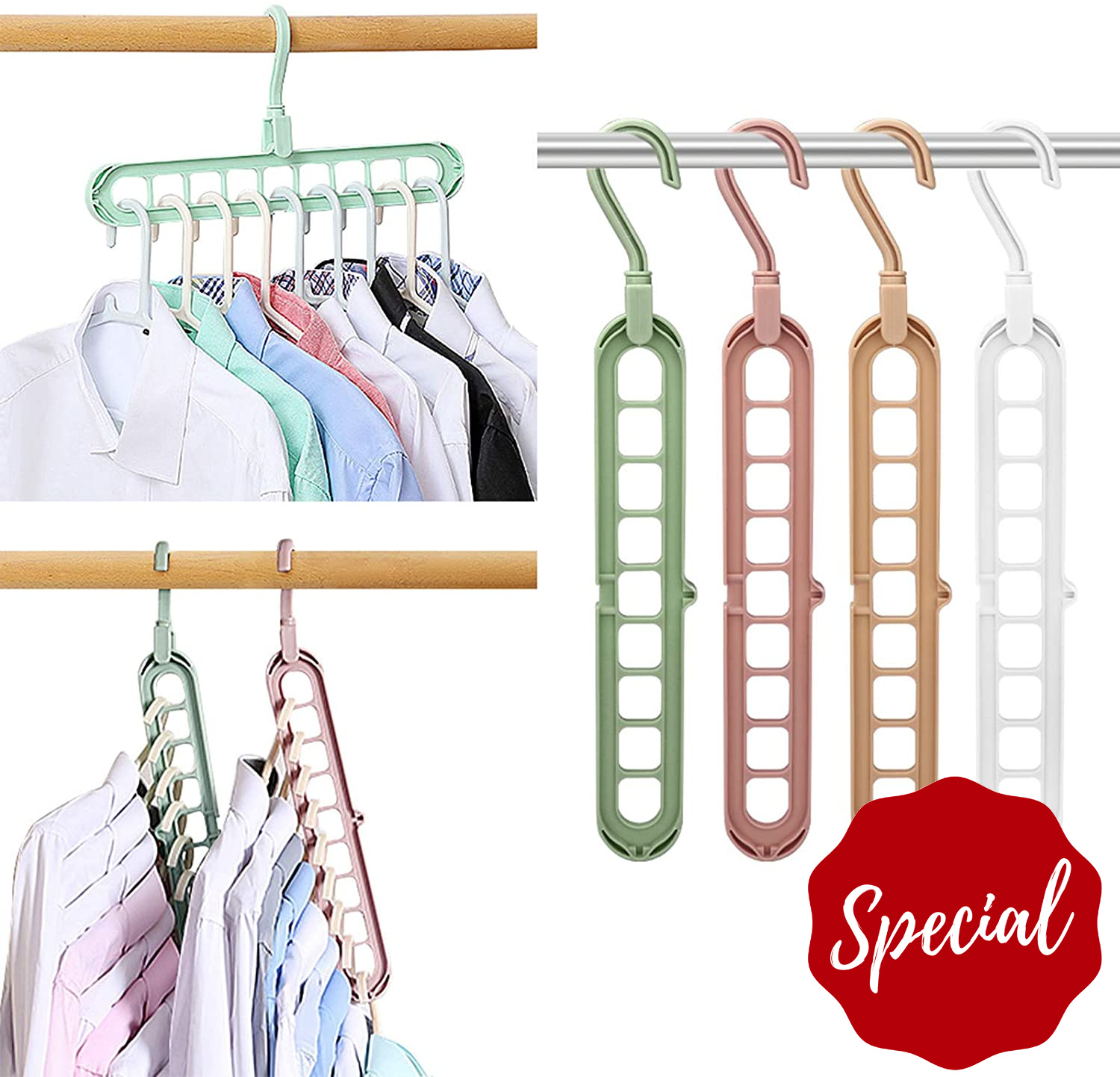
A functional closet starts with consistent tools. Choose slim, non-slip hangers to create instant space and visual calm. Group by category and then color so your eyes scan efficiently, and use shelf dividers to keep stacks from toppling. Where height allows, add a double hang rod to double capacity for shirts and pants. Drawer real estate thrives on file-folding, turning piles into neat rows that display every item. Use narrow bins for accessories, a scarf ring, and a standing organizer for clutches or laptops. Assign a daily outfit zone for grab-and-go mornings, and a small tray for pockets' worth of coins, receipts, and keys. Embrace a capsule wardrobe mindset: keep favorites front and center, store seldom-used pieces up high, and rotate seasonally. Clear, breathable bins with labels protect linens and out-of-season wear. Finally, park a donation bag on a lower shelf; when something no longer fits, decide once and let it go immediately.
Kitchen and Pantry Power Moves
Great kitchens run on zones: prep, cook, bake, serve, and sip. Keep tools at the point of use—knives near prep space, spatulas by the stove, baking supplies by the mixer. In the pantry, decanting dry goods into stackable, airtight containers creates uniform shapes that maximize shelves and make inventory obvious. Add a lazy Susan in corners for oils and condiments, and shelf risers to tier cans and mugs. Store lids vertically in a file rack, and use drawer dividers to stop utensil sprawl. Under the sink, a pull-out caddy keeps cleaners and sponges accessible without digging. Practice FIFO (first in, first out) by placing new items behind older ones and dedicating a labeled backstock bin to prevent overbuying. Measure cabinet depth before purchasing inserts so nothing wastes space. Keep heavy appliances low, everyday dishes at eye level, and specialty gear up high. Simplicity here shortens prep time and makes cleanup routine.
Living Areas and Entryways That Flow
Shared spaces need flexible systems that look good and work fast. Use lidded baskets or closed cabinets to contain visual noise, and pick materials that complement your decor so storage feels like design. A storage ottoman hides blankets and board games, while a coffee table with drawers corrals remotes and coasters. Tame tech with cord management: clips on furniture edges, a small cable box behind the media console, and labeled ties for chargers. Consider a drawer-based charging station to keep devices out of sight while they power up. Near the door, build a reliable entryway drop zone: hooks for bags at multiple heights, a tray for keys, a small bin for sunglasses and sanitizer, and a shoe bench with a set number of slots. Sort mail on the spot—action, archive, recycle—so paper never piles up. Every item should have a speed-dial home, and every person a clearly marked parking spot for daily essentials.
Bathroom and Laundry Efficiency
Compact spaces thrive on thoughtful containment. In the bathroom, use over-the-toilet shelving for backup towels and paper goods, and mount drawer inserts so grooming tools stop sliding into chaos. A narrow rolling cart fits beside a vanity to hold skincare, hair tools, and extra soap, while wall-mounted holders keep hot tools upright and safe. Decant cotton swabs, bath salts, and flossers into clear jars to track supply at a glance, and limit duplicates to what you can use before products expire. In the laundry area, create clear laundry zones: hampers for lights, darks, and delicates; a shelf or caddy with a stain kit; and a small bin for pocket finds. Add a retractable drying rack for knits, and stash mesh bags for socks and lingerie. Label shelves for detergents and cleaning cloths, and keep a folding surface open by storing extras vertically. Small, repeatable systems make daily upkeep almost automatic.
Maintain the Calm: Habits and Mindset
Lasting order is built on simple, repeatable behaviors. Embrace one-in-one-out for clothes, toys, and tools so containers set natural limits. Do a nightly five-minute reset to return items to their zones, and a quick weekly sweep to re-home strays and empty your donation bag. Store things where you use them, not where they've always lived, and refine micro-zones as life changes—tea next to the kettle, pet gear by the leash, sunscreen by the door. Label everything; words reduce guesswork and help the whole household reset without you. Track retrieval time as your success metric: if finding something gets faster, the system works. Keep a small exit bin near the door for returns and donations to prevent backsliding. Seasonally, do a light edit and check container fit. With steady maintenance, your home stays clear, your energy stays high, and your spaces support the life you actually live.