Cultural Etiquette Tips Every Traveler Should Know
From greetings and dress codes to tipping, table manners, and photo rules, these etiquette tips help you connect respectfully in any culture.
First Impressions and Greetings
First contact sets the tone for your journey, so lead with respect and curiosity. Learn a basic greeting and practice saying people's names clearly, as correct pronunciation signals care. Notice how locals initiate eye contact or manage personal space; mirror their comfort level rather than imposing yours. Some cultures prefer firm handshakes, others a gentle grip, a nod, or a small bow. When in doubt, follow the host's lead and use polite titles until invited to be informal. Offer or receive items, like business cards or documents, with both hands if that seems customary. Queueing is another subtle indicator of etiquette; join lines patiently and avoid skipping. Keep gestures modest, your phone tucked away, and your tone calm. A warm smile works nearly everywhere, especially when paired with a few local words for please and thank you. These small choices help you connect naturally, reduce misunderstandings, and earn goodwill from the very first moment.
Dress and Modesty
Clothing communicates respect, and thoughtful dress codes help you navigate varied social settings. Observe what locals wear in public spaces and aim to match or slightly exceed that standard. In many communities, covering shoulders and knees in religious or formal areas is expected, and removing footwear before entering homes or sacred spaces is a sign of courtesy. Pack layers and a versatile scarf that can quickly add modesty when needed or protect against sun and wind. Choose neutral colors for conservative environments and avoid flashy accessories that draw unnecessary attention. Swimwear belongs at beaches and pools, not city streets, while athletic outfits suit trails more than temples. If head coverings appear common in specific settings, carry a lightweight option and use it respectfully. Consider climate and local fabrics to stay comfortable without compromising etiquette. When in doubt, ask for guidance from hosts or accommodation staff. Dressing with intent shows cultural sensitivity, helps you blend in, and often opens doors to more authentic experiences.
Dining and Table Manners
Meals are gateways to understanding culture, and dining etiquette varies widely. Watch how hosts handle utensils before diving in: in some places, forks and knives dominate; in others, spoons, hands, or chopsticks prevail. If eating with hands, use the designated hand and accept shared dishes with care. Never play with utensils, and avoid sticking chopsticks upright in bowls, as this can carry negative symbolism. Wait to be seated, respect seating hierarchy, and notice if it's customary for elders or guests to begin first. In group settings, it may be polite to sample a little of everything, or to finish your plate to signal enjoyment—learn which applies locally. Toasts might be common; raise your glass modestly, maintain appropriate eye contact, and sip rather than gulp. When paying, follow local norms: hosts may insist on covering the bill, or bills may be split discreetly. Above all, pace your meal, show gratitude, and treat shared food as a communal expression of hospitality.
Communication and Body Language
How you say something can matter more than the words. Cultures vary in communication styles, from direct and concise to roundabout and nuanced. Calibrate your tone and volume to the room; a softer voice may be seen as considerate, while loudness can feel intrusive. Embrace silence when it occurs—it can signal thoughtfulness rather than discomfort. Gestures are not universal: signals like thumbs-up, crossed legs, or pointing with a single finger may send unintended messages. Use an open palm to indicate direction, and keep body language relaxed, avoiding displays of frustration. Touch is another sensitive area; a light tap on the arm can be friendly for some, but intrusive elsewhere. Humor and sarcasm do not always translate, so choose clear and kind phrasing. If you make a mistake, a sincere apology and willingness to adjust go a long way. Active listening—nodding, summarizing, and asking brief clarifying questions—builds trust and prevents small misunderstandings from growing.
Religious and Sacred Spaces
Sacred sites invite reverence, and thoughtful etiquette ensures your presence is welcome. Dress modestly, covering shoulders, legs, and sometimes hair, depending on custom. Look for signage about shoes off, quiet zones, or designated paths, and follow them without hesitation. Ask before photography, and avoid flash; some areas strictly prohibit images, especially during ceremonies. Keep your phone on silent and step outside for calls. If offered rituals like incense, blessings, or water, observe first; participate respectfully if you feel comfortable, or decline gently with a nod and a smile. Sit or stand where indicated, and avoid turning your back directly to altars or sacred objects if this seems sensitive. Donations, when appropriate, should be discreet and never transactional. Refrain from blocking entrances, speaking loudly, or positioning yourself in the way of worshippers. By honoring these spaces with humility and care, you deepen your cultural understanding and safeguard traditions for future visitors.
Money, Tipping, and Bargaining
Financial interactions carry unspoken rules that signal respect for local norms. Tipping ranges from expected to unnecessary, so discreetly observe or ask trusted hosts what is customary in restaurants, taxis, and tour services. If a service charge is included, additional tipping may be minimal. Keep small bills for easier transactions, and avoid displaying large amounts of cash. In markets, bargaining can be a friendly exchange when done politely; smile, keep the tone light, and know when to accept a fair price. If a shop is clearly fixed price, haggling may be inappropriate. Request receipts when needed and count change calmly. Be mindful that rounding up can be a simple way to show appreciation without creating awkwardness. Treat street vendors with dignity; walking away courteously beats aggressive negotiation. When paying in groups, settle bills quietly to avoid spectacle. By aligning your approach to money with local expectations, you contribute to positive, sustainable exchanges.
Photography and Digital Courtesy
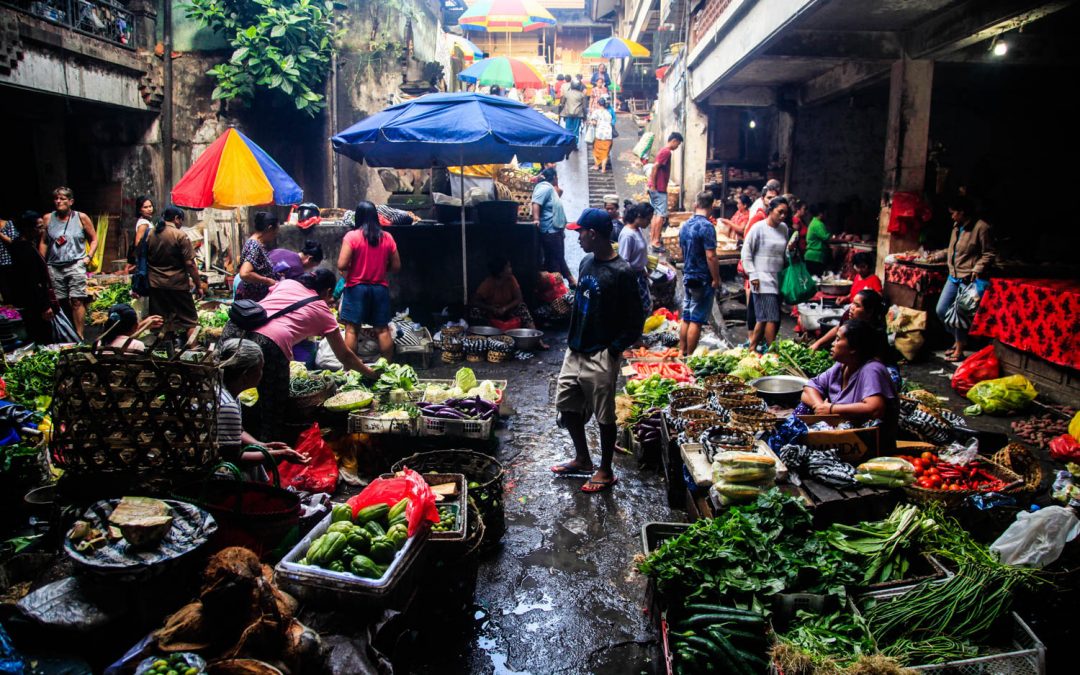
Images are powerful, but ethical photography starts with consent and context. Always ask before photographing people, and seek guardian permission for children. Some communities view cameras warily, especially in intimate settings like markets, homes, or ceremonies. Avoid snapping uniforms, security posts, or infrastructure if that seems sensitive. Respect signs that limit photos, and never disrupt moments with intrusive angles or excessive equipment. Keep privacy in mind: a person is not a tourist attraction, and vulnerability should never be commodified for likes. Before posting, consider whether geotagging could harm delicate environments or overwhelm small communities. Drones require special care—confirm rules well in advance and fly only where permitted. Share images that honor dignity, avoid stereotypes, and reflect cultural sensitivity. If someone declines, thank them and move on. When gifting prints later, do so through appropriate channels to avoid unintended obligations. Mindful visual storytelling builds bridges, preserves trust, and turns your journey into a responsible narrative.