Craft a Standout Resume That Earns Interviews
Build a resume that beats ATS and impresses hiring managers. Learn structure, keywords, and metrics to turn experience into interviews.
Know Your Audience
A standout resume begins with a clear understanding of your audience. Before drafting, study the role, the company, and the language used in the posting to identify the real problems the team needs solved. Highlight the must-have skills, core tools, and success measures that recur across similar openings. Then craft a concise value proposition in your summary that connects your experience to those needs, emphasizing outcomes such as revenue growth, cost reduction, efficiency gains, quality improvements, or risk mitigation. Speak the employer's language by mirroring relevant keywords without sounding mechanical, and match your job titles and scope to the target role where appropriate. Keep ATS considerations in mind by placing critical terms in standard sections. Shape your narrative by focusing on business impact rather than duties, and spotlight differentiators like domain expertise, certifications, or multilingual ability. The goal is not a biography; it is a targeted pitch that shows why you solve their specific challenges better than other candidates.
Structure That Guides the Eye
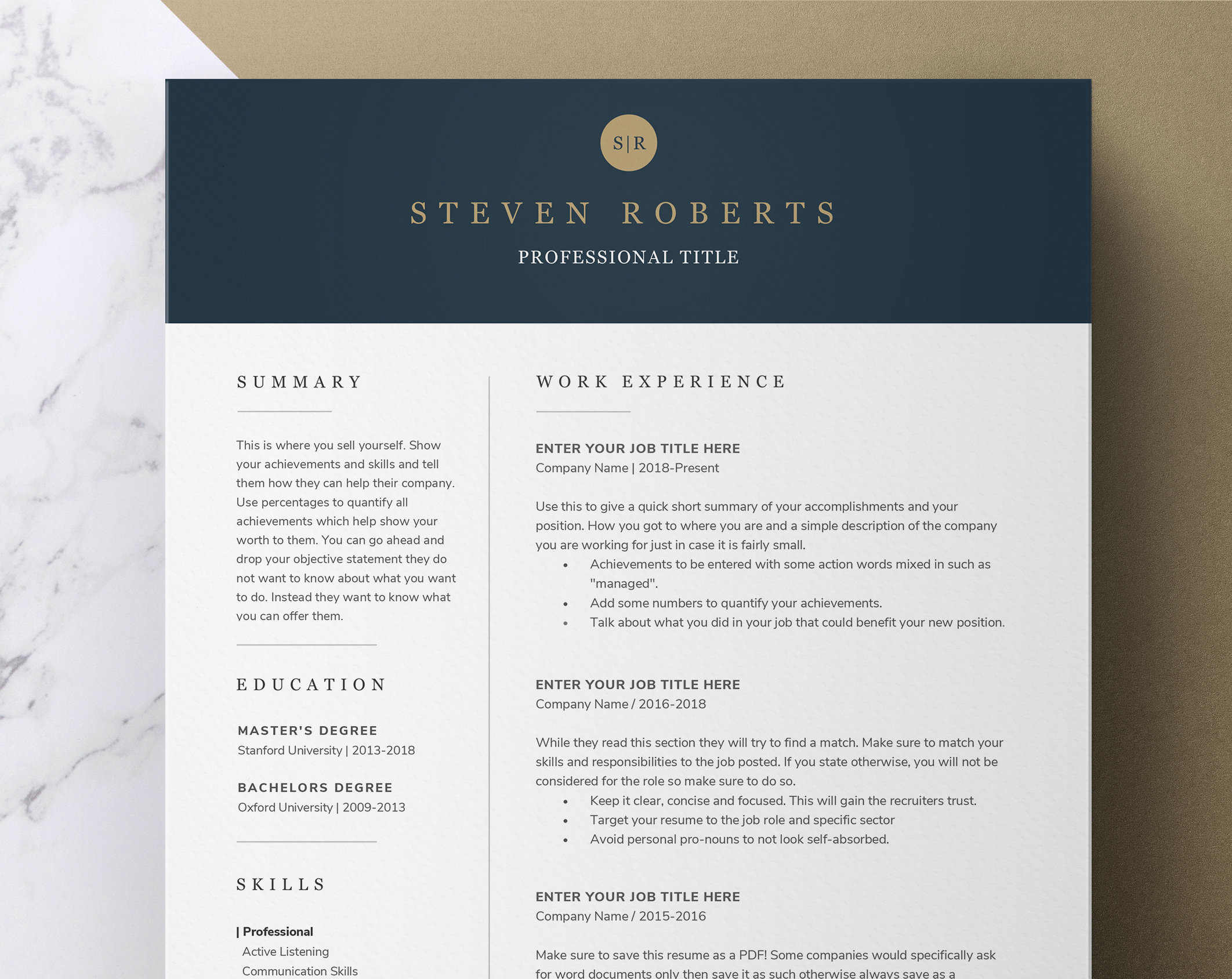
An effective resume uses clean hierarchy and deliberate readability to direct attention to what matters. Organize sections in a familiar order: header, professional summary, skills, experience, education, and selected extras. Favor reverse chronological experience unless a combination format better showcases transferable strengths. Keep formatting consistency across headers, dates, and locations, and maintain generous white space so the page breathes. Use clear section labels, align content neatly, and ensure dates and job titles follow a uniform pattern. Emphasize roles and achievements over dense paragraphs by keeping statements concise and scannable. Avoid complex columns or heavy graphics that can confuse ATS parsing, and test that your layout remains intact across devices. One page is common for early careers; a focused two pages can suit seasoned professionals. Let the structure deliver your message at a glance: who you are, what you do, and how you make a measurable impact.
Write Impact-First Bullet Points
Hiring managers skim, so lead each statement with impact. Begin with strong action verbs and the result, then provide just enough context to understand scope. Use frameworks like STAR or CAR to clarify situation, task, actions, and results without writing a mini essay. Quantify wherever feasible with credible metrics such as percent improvements, cost savings, time reductions, revenue influenced, error rates cut, or customer satisfaction gains. Convey scale by noting team sizes, budgets, transaction volumes, or portfolio breadth. Replace generic responsibilities with outcome-driven accomplishments to show progression and problem solving. Keep lines tight by removing filler words and combining redundant points. Choose verbs that reflect ownership, such as led, built, automated, negotiated, and optimized. When a result is qualitative, specify the business significance to anchor value. Across the page, vary verbs and metrics to avoid repetition and make your contributions unmistakably clear.
Tailor With Strategic Keywords
Every application benefits from precise tailoring. Extract relevant keywords from the posting across skills, tools, methodologies, and certifications, then integrate them naturally into your summary, skills section, and experience bullets. Mirror role titles and core competencies when truthful to increase semantic match with ATS parsing while staying authentic. Include synonyms and related terms where appropriate, since different systems and recruiters may search varied phrasing. If the role emphasizes a platform, methodology, or industry framework, feature it in context with an achievement rather than listing it in isolation. Avoid keyword stuffing; relevance and readability come first. Build a compact core competencies section to surface critical capabilities, then prove them with evidence below. When you pivot fields, translate achievements into the target domain by spotlighting transferable strengths such as stakeholder management, data analysis, process improvement, or client delivery. Tailoring shows respect for the role and boosts both machine and human alignment.
Show Skills, Tools, and Learning
A compelling resume illustrates hard skills, soft skills, and ongoing continuous learning through results. Curate a focused skills section that lists core tools, languages, platforms, and methods that the role actually values. Demonstrate soft skills through achievements, such as leading cross-functional initiatives, negotiating vendor terms, or coaching a team to improved performance. Feature certifications and relevant training that strengthen credibility, and highlight projects that reveal initiative, context, and outcomes. If you have independent work, publications, or presentations, reference them briefly and indicate portfolio materials are available upon request. Include languages, volunteer experience, awards, or affiliations that are relevant to the role and that show commitment to your field. Emphasize learning agility by noting recent coursework, workshops, or micro-credentials aligned to the job. The thread tying it all together is applicability: choose items that advance your narrative and prove you can create value quickly in the target environment.
Polish for Clarity and Credibility
Sharp presentation reinforces clarity and credibility. Proofread meticulously, reading aloud and reviewing line by line to catch grammar slips, typos, and inconsistent punctuation. Keep tense consistent: present for current roles, past for previous ones. Prefer precise nouns and active voice, and expand acronyms on first mention. Maintain formatting consistency for headers, dates, and spacing, and avoid decorative elements that distract from substance. Replace vague adjectives with measurable facts, and be honest about your role in each achievement. Lead with a focused professional summary that states your target role, strengths, and key wins in a few concise lines; skip objective statements that talk about what you want rather than what you offer. Exclude sensitive personal details that can bias screening, and keep contact information straightforward. Conduct a credibility check: could you defend every claim with specifics in an interview If not, refine until your story is both compelling and verifiable.
Optimize for Submission and Follow-Up
Great content still needs smooth delivery. Export to PDF for stable formatting unless a system asks for DOCX. Use clear file naming like FirstLast-TargetRole-Resume to look professional and stay organized. Add document properties where available so your name and role appear in metadata. Test the file on multiple devices to confirm readability and functional text parsing. Pair your resume with a targeted cover letter that connects the dots between the role and your most relevant achievements. Ensure alignment with your online professional profile, keeping titles, dates, and scope consistent. Track submissions in a simple system to note deadlines, contacts, and next steps. Plan a polite follow-up cadence that reaffirms fit and value rather than merely checking status. Maintain a master resume for comprehensive history and practice version control to quickly create tailored variants. Thoughtful submission and disciplined follow-through can turn a strong resume into more interviews.