Build an Unshakable Emergency Fund
Build an unshakable emergency fund with clear targets, smart account choices, and automatic habits that shield you from surprises and speed your recovery.
Why an Emergency Fund Matters — An emergency fund is the quiet hero of personal finance, a dedicated reserve that shields you from surprise expenses without derailing your long-term plans. By keeping cash earmarked for true needs, you avoid high-interest debt and protect credit health when life throws curveballs like medical bills, urgent repairs, or sudden income gaps. The core benefits are stability, flexibility, and peace of mind. With a safety net in place, you can make better choices under pressure, negotiate from strength, and resist panic spending. This cushion also preserves investment strategies by preventing forced asset sales at unfavorable times. Think of your reserve as a buffer between unpredictability and your goals, ensuring your budget stays on track. The key is clarity: know what counts as an emergency and what does not. When you define the purpose, choose a safe home for the cash, and build it consistently, the fund becomes truly unshakable.
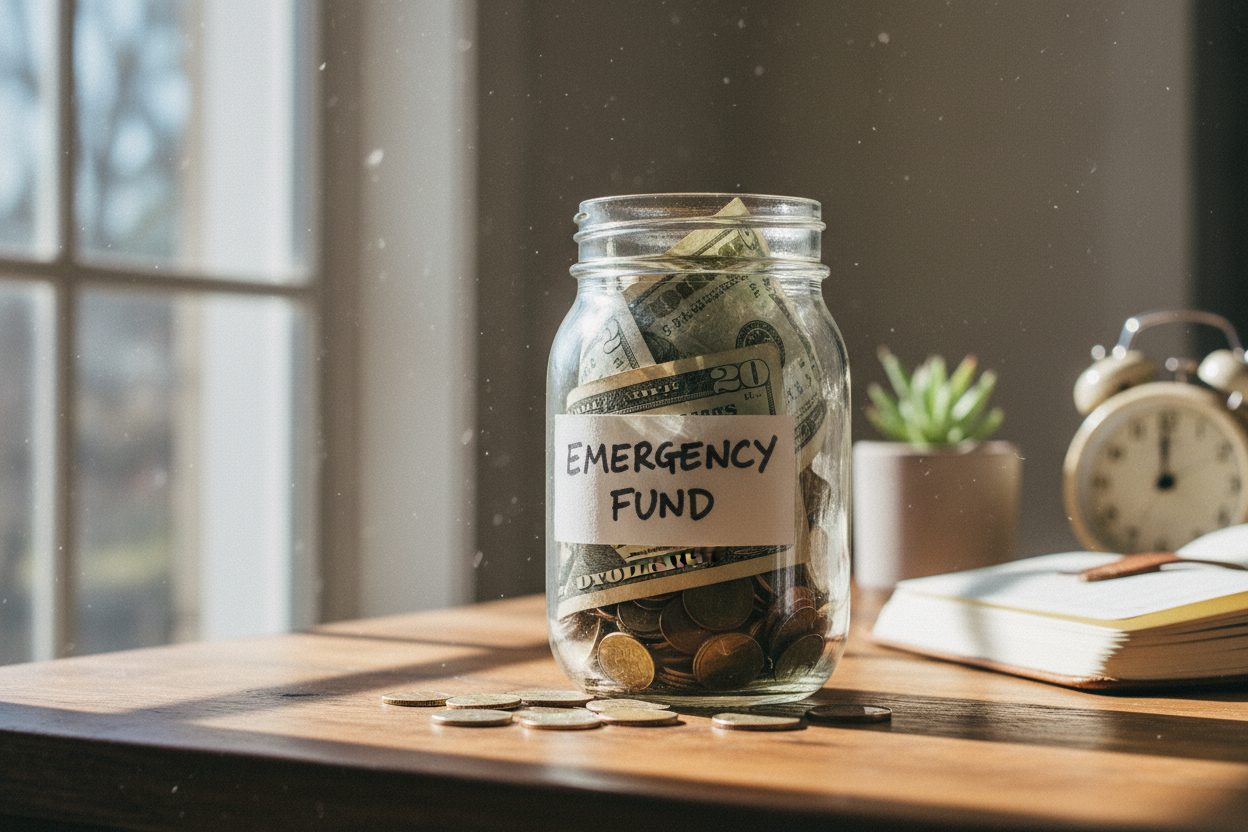
Defining the Right Target — Your ideal amount depends on essential expenses, income stability, and personal risk tolerance. Start by mapping monthly must-haves: housing, utilities, groceries, transportation, insurance, minimum debt payments, and healthcare. Exclude luxuries so the target stays efficient. Many savers aim for several months of essentials, but you can personalize this range. If your income is variable, self-employed, or tied to commissions, lean higher. If your household has dependents, higher fixed costs, or limited access to credit, add an extra buffer. Consider known risks like medical deductibles or the age of your car and appliances. A simple approach is to total one month of essential expenses and multiply by your chosen range, then set milestones to avoid overwhelm. For example, build a starter cushion first, then step up toward your full target. The goal is confidence in covering a moderate disruption without resorting to costly debt.
Where to Keep the Cash — An emergency fund must prioritize liquidity, safety, and separation. Store it in a dedicated savings or money market account that is easy to access but not so handy that you are tempted to dip in for non-essentials. Separation builds mental walls: name the account clearly and keep it apart from everyday spending. Avoid placing this money in volatile investments where values can swing when you need stability most. A tiered strategy can help: a small amount in checking for ultra-quick access, the bulk in a high-liquidity savings account, and a modest portion in a short-term vehicle you can exit without heavy penalties if truly necessary. Watch for monthly fees, minimum balances, and transfer limits that could slow you down in a pinch. Your north stars are capital preservation and immediate availability. When in doubt, choose the option that keeps your principal safe and reachable without friction.
Kickstarting Contributions — Momentum is everything, so begin with quick wins. Seed the fund with found money from refunds, bonuses, gifts, or the sale of unused items. Audit recurring bills for cancellations or downgrades you will not miss, then redirect that cash automatically to savings. Use a small starter milestone to build confidence fast, reinforcing the habit with weekly micro-transfers. Trim easy targets such as food delivery, subscriptions, and impulse buys; a few modest cuts can combine into meaningful progress. Consider a short burst of extra income through a side project or overtime if available, and earmark all proceeds. Gamify the effort with no-spend challenges, round-up transfers from purchases, or a set number of transfer days per month. The aim is to normalize saving as a default action. By front-loading early progress, you minimize the temptation to give up and create proof that consistent action beats waiting for the perfect moment.
Automate and Protect — Treat saving like a bill you owe your future self. Set up automatic transfers on payday so your plan runs on rails, then scale the amount as your comfort grows. If income fluctuates, use a percentage-based rule to keep contributions proportional. Protect the fund from casual withdrawals by defining clear spending rules in advance: true emergencies threaten health, home, transportation, or income, while wants and conveniences do not qualify. Add friction by not carrying a linked debit card, using a different bank than your daily checking, or requiring a 24-hour pause before moving money out. Keep a simple record of deposits and uses so you can see progress and learn from patterns. When the guardrails are visible and automatic systems handle the heavy lifting, your willpower is preserved for moments that truly matter.
Handling Setbacks — Emergencies will eventually happen, and using the fund is not failure; it is the plan working. When a withdrawal is necessary, document the reason, the amount, and what prevented a larger expense. Then, commit to replenishment with a defined timeline, even if small. Avoid guilt spirals by reframing the event as proof your system spared you from debt. Analyze the root cause and consider prevention strategies: schedule maintenance, build sinking funds for predictable big-ticket items, and review insurance coverage. If cash flow tightens, rebalance your budget temporarily by pausing discretionary categories and channeling savings back to the fund until it recovers. Remember that resilience is iterative. Each cycle of save, use, and rebuild strengthens your financial reflexes and reduces the shock of the next surprise. The goal is not perfection, but reliable recovery.
Growing with Life Changes — Your emergency fund is a living component of your plan, so reassess it when life evolves. New dependents, a move, a job change, self-employment, or higher medical needs can all shift the right target. Revisit your essential expenses and update assumptions about income stability, deductibles, and replacement costs. If a promotion or side income boosts cash flow, direct a slice of the increase toward the fund before lifestyle creep absorbs it. Inflation and new obligations can erode purchasing power, so periodic adjustments keep your buffer aligned with reality. Consider building tiers: core essentials covered for a set period, then an extended tier for riskier scenarios. As your skills and network grow, your ability to handle disruptions improves, but a well-sized cushion still multiplies your options. Prudence plus adaptability makes the fund truly unshakable over time.
Staying Motivated and Accountable — Consistency thrives on visibility, milestones, and community. Track progress with a simple chart, a savings thermometer, or app-based widgets that make wins obvious. Celebrate each milestone with a low-cost reward to reinforce the habit. Share goals with a trusted friend or partner who can help you stay accountable and distinguish real emergencies from impulses. Pair monthly budget check-ins with a brief emergency fund review so the priority never fades into the background. Rotate motivation tools as needed: micro-challenges, envelope methods, or themed no-spend weeks. When you feel stuck, reconnect with your why — the freedom to handle surprises calmly and protect long-term goals. Over time, the habit compounds into confidence, and confidence shapes smarter decisions across your entire money life. The fund becomes more than cash; it becomes proof that your plan is working.