Budget Chic: Looking Stylish Without Overspending
Build a chic wardrobe on a budget with smart shopping, cost-per-wear thinking, and simple styling tweaks that look luxe without overspending.
Capsule Mindset
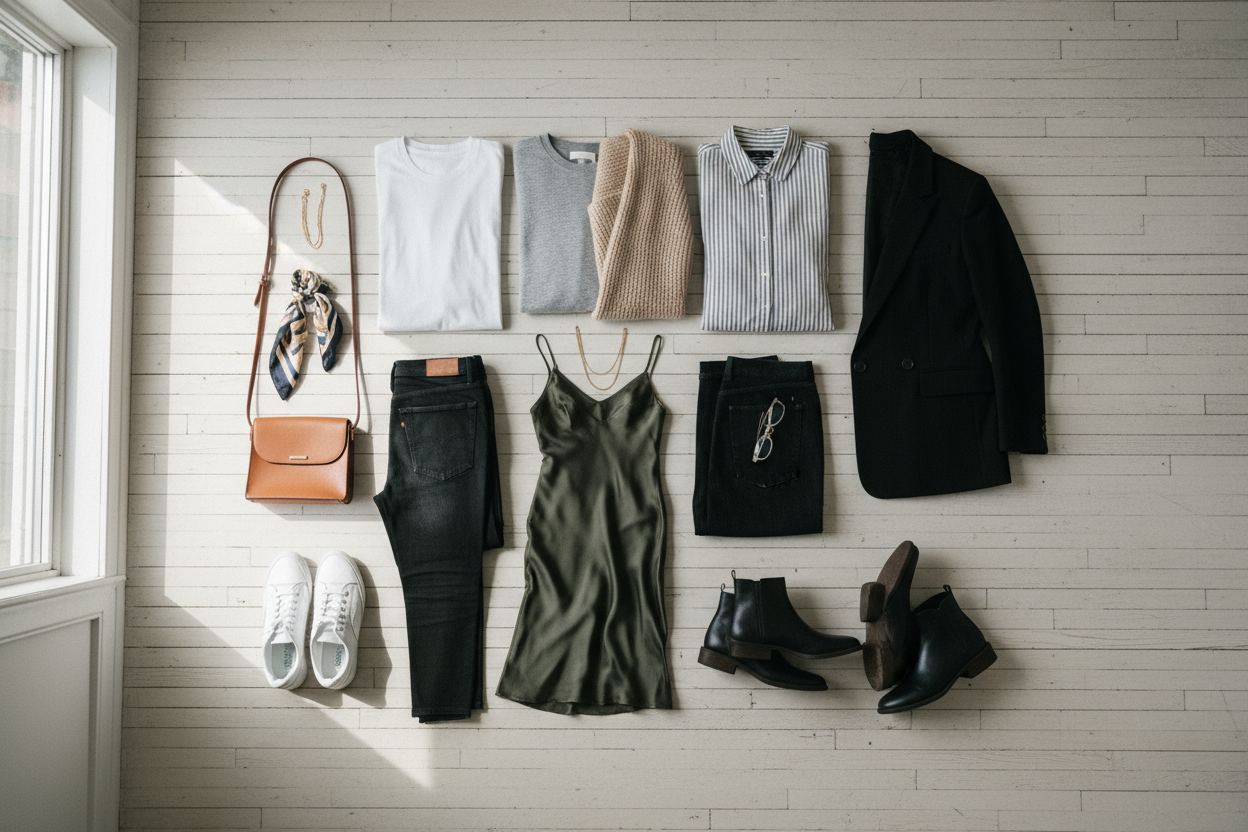
Building a capsule wardrobe begins with editing your closet to the pieces you actually wear and love. Prioritize quality over quantity, focusing on versatile staples that mix smoothly: a crisp shirt, tailored trousers, a flattering knit, and a simple dress that layers well. Choose a neutral palette as your base, then sprinkle in one or two accent colors that complement your skin tone. Aim for versatility by ensuring each top pairs with multiple bottoms and every layer works across outfits. Think in terms of silhouette: streamlined shapes that skim the body tend to look elevated, even when they are affordable. Evaluate cost-per-wear instead of sticker price; a modestly priced item that lasts and gets frequent use is a smarter investment than a trendy piece worn once. Favor seasonless fabrics and unfussy cuts you can dress up or down with accessories. When your closet is cohesive, getting dressed becomes faster, your style looks intentional, and you reduce impulse purchases that clutter your budget and your wardrobe.
Secondhand Wins
Hunting for secondhand treasures is one of the most reliable ways to achieve budget chic. Thrift stores, consignment shops, and community swaps are packed with well-made garments that only need a fresh perspective. Look for natural fibers, sturdy stitching, intact linings, and classic cuts that transcend trends. Simple alterations can unlock potential: a too-long skirt becomes perfect with a hem, an oversized blazer sharpens up with a nip at the waist, and vintage buttons can transform a basic cardigan into a standout piece. Bring a small checklist—fit at shoulders, clean hems, working zippers—and inspect in good light. Consider upcycling: dyeing a faded tee, cropping jeans into polished shorts, or adding a patch to denim can feel intentional rather than thrifty. Clean and refresh pieces with gentle care techniques to revive shape and texture. Secondhand shopping not only stretches your budget; it also supports sustainable style by keeping garments in circulation and out of landfills.
Fit and Fabric
No matter the price, fit is the fastest route to looking polished. Focus on shoulder placement, sleeve length, and where waist seams hit your torso. If a piece glides over your frame without pulling or sagging, you instantly look elevated. Learn the basics of fabric to shop smarter: cotton poplin stays crisp, denim with a hint of stretch holds shape, wool blends add warmth without bulk, and viscose or lyocell drapes fluidly. Avoid overly thin, shiny, or scratchy textiles that telegraph cheapness; assess opacity, check for pilling, and gently tug at seams to evaluate construction. Try a half-tuck, roll sleeves with purpose, and experiment with proportion—pair fitted tops with looser bottoms or vice versa. The right drape flatters your body and balances your outfit. Choose breathable materials for comfort, because confidence reads as style. When you prioritize fit and fabric, even a simple tee and trousers look intentional, allowing understated pieces to shine like luxury.
Accessories Impact
Accessories are the budget dresser's superpower. A statement accessory—a sleek belt, a sculptural earring, or a silk-like scarf—can pivot a basic outfit from casual to refined in seconds. Focus on proportion: slim belts define the waist on looser silhouettes, while structured bags balance soft, flowy looks. Use texture to add depth; pair matte knits with a glossy shoe, or rough denim with a smooth leather bag. Create a cohesive color story by repeating an accent shade in two places, like a scarf and flats, to tie the look together. Learn your preferred metal tone and stick to it for a collected feel, then break the rule sparingly with a mixed-metal piece for interest. Sunglasses with clean lines, a classic watch, and polished shoes deliver quiet luxury. With strategic accessories, you can elevate basics, extend your wardrobe's range, and keep outfits feeling fresh without buying new clothes every week.
Care and Tailoring
Thoughtful maintenance is a style multiplier. Practice a simple laundry strategy: wash less often, use cold water, and air-dry to prevent fading, shrinking, and wear. A handheld steamer smooths wrinkles quickly and makes affordable fabrics look refined. Learn basic mending—sewing on buttons, tightening a loose hem, or reinforcing a seam—so small issues don't retire great pieces early. Consider light tailoring to personalize fit: shorten sleeves, taper a pant leg, or add darts to create shape. Treat shoes with regular cleaning and protective sprays; a quick polish or resoling delivers an instant uplift. Store knits folded to avoid stretching, hang structured garments on supportive hangers, and use cedar to deter moths. Keep a de-pilling comb for sweaters and a lint brush for dark fabrics. These small habits greatly extend a garment's life, reduce replacement costs, and preserve a consistently polished look—proof that care, not just cost, defines how luxurious your wardrobe appears.
Smart Shopping
The most stylish budgets are guided by intention. Start with a focused wish list based on gaps in your wardrobe, not fleeting trends. Set a flexible budget and review it before any purchase. Use the cost-per-wear test: if you can style an item into three outfits you would actually wear, the value rises. Pause on non-essentials using a waiting rule to curb impulse buying; if you still want it after a little time, it is probably aligned with your style. Try a three-outfit rule in the fitting room or at home: if a new piece does not work with items you already own, it goes back. Check the return window, keep tags on until you commit, and photograph outfits to track what you reach for most. Favor cohesion over novelty, and shop seasonal transitions for thoughtful deals. Over time, a mindful approach yields a wardrobe that feels rich, looks modern, and supports your financial goals.