Beginner-Friendly Houseplants That Thrive Indoors
New to greenery? Discover easy indoor houseplants—like pothos, snake plant, ZZ, spider plant, and peace lily—that thrive with minimal care.
Getting Started
Bringing greenery indoors is simpler than many people expect, especially when you choose beginner-friendly houseplants that tolerate missed waterings and imperfect light. The right indoor plants can lift a room, soften hard edges, and subtly freshen the air while giving you a calming, hands-on ritual. Start by deciding where your plant will live—shelves, desks, or a bright corner—and then match the plant to the conditions you already have. Favor low-maintenance varieties that forgive forgetfulness, adapt to indirect light, and thrive in ordinary home temperatures. Use pots with real drainage holes and a quality potting mix so roots can breathe. Commit to a simple routine: check soil once a week, rotate the pot for even growth, and dust leaves so they can photosynthesize efficiently. If you travel or keep a busy schedule, consider plants that can comfortably dry between drinks, reducing the risk of overwatering. With a few thoughtful choices and steady attention, you'll build confidence quickly and enjoy the everyday stress relief that comes from tending living decor.
Low-Light Stars
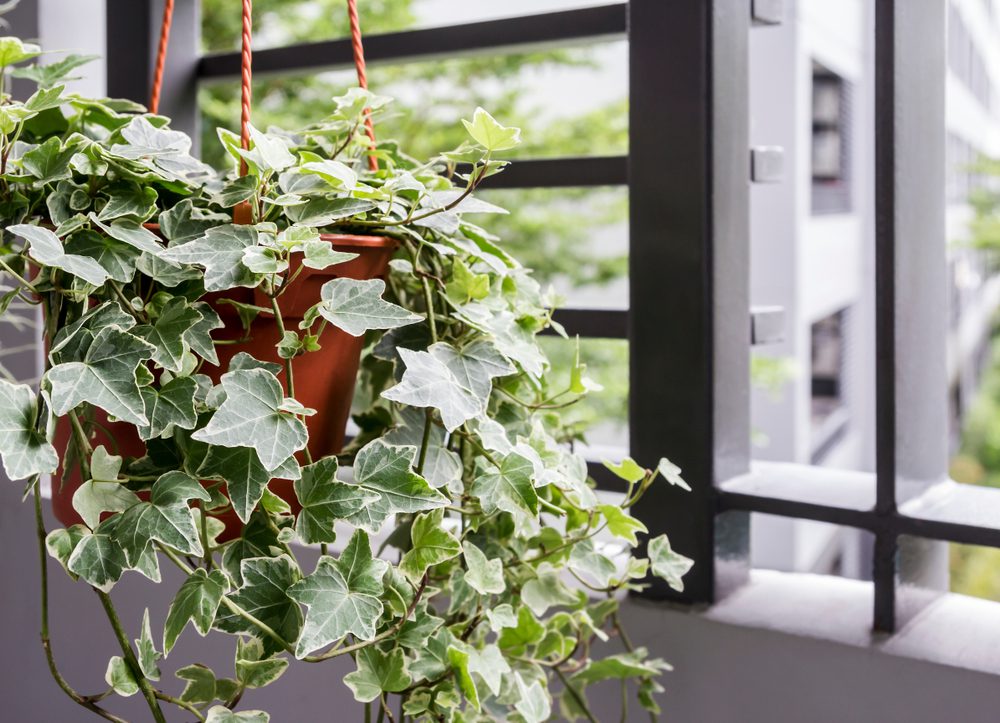
Not every home floods with sunshine, and that's fine—several standout plants flourish in low light and ask for very little. The classic snake plant handles dim corners and irregular watering with ease, storing moisture in its sturdy leaves and staying upright and architectural. The glossy ZZ plant offers similar resilience, shining in hallways or offices where daylight is filtered. For trailing charm, choose pothos or heartleaf philodendron; both cascade beautifully from shelves and signal thirst with slightly droopy leaves, bouncing back after a good drink. The nearly indestructible cast iron plant lives up to its name, tolerating shade and neglect like a champ. With all of these, let the top inch or two of soil dry before watering to protect roots from rot, and always use containers with drainage. Feed lightly during active growth, wipe leaves to remove dust, and rotate the pot every couple of weeks so stems don't stretch toward a single source. These forgiving choices make success achievable in even the coziest, shadiest rooms.
Watering Made Easy
Most plant problems come from overwatering, not neglect, so building a gentle watering schedule is your best defense. Instead of watering by the calendar, learn to read soil moisture. Press a finger into the potting mix; if it feels dry to the second knuckle for drought-tolerant plants, it's time to water, while thirstier varieties appreciate moisture when the top inch is dry. When you water, do it thoroughly until excess runs from the drainage hole, then empty saucers so roots never sit in a puddle. Bottom watering—setting the pot in a shallow tray and letting the mix wick moisture upward—can help ensure even hydration for dense root balls. Use room-temperature water to avoid shocking tender roots, and pour slowly so the mix absorbs rather than sheds flow. If you're forgetful, set a weekly reminder to check, not to pour; checking keeps you responsive to seasonal shifts. Over time you'll notice patterns and can adjust confidently without guesswork.
Light, Placement, and Care
Understanding light makes indoor growing far easier. Bright indirect light means a room lit well enough to read comfortably without the sun striking leaves directly. East-facing windows provide gentle morning rays, while a few feet back from a south or west window suits many tropicals. Rotate plants a quarter turn during regular dusting to encourage even growth and sturdier stems. Mind humidity too: grouping plants, placing pots on pebble trays with water below the base, or locating them near kitchens and bathrooms can lift moisture around foliage. Avoid drafty vents and sudden temperature swings that stress leaves. Choose airy potting mixes tailored to your plant type—add perlite or bark for a fluffier blend that resists compaction—and ensure reliable drainage. Repot when roots circle the pot or water runs straight through, stepping up only one size to prevent soggy soil. A quick monthly wipe with a soft cloth keeps leaves clean so they can breathe and capture light efficiently.
Simple Troubleshooting
Even tough houseplants occasionally show signs of stress, and recognizing them early keeps care easy. Yellowing leaves often hint at overwatering or poor drainage, while crisp brown edges suggest underwatering or low humidity. Pale, stretched growth points to insufficient light; move the plant closer to a window or upgrade to a brighter spot out of direct sun. Watch for common pests like fungus gnats, mealybugs, or spider mites; a quick rinse in the sink and gentle leaf wiping usually halts small issues. Quarantine new plants for a short time to avoid hitchhikers spreading. If a plant looks unhappy, scale back to basics: check moisture, inspect roots, refresh the top layer of mix, and trim damaged leaves to redirect energy. Build confidence by trying simple propagation from pothos or philodendron cuttings—root them in water, then pot them up once you see healthy white roots. Celebrate small wins like new leaves, and let a steady, simple routine guide you toward a thriving indoor jungle.