Balanced Plate, Balanced Mind: Simple Nutrition Tweaks
Simple, realistic food tweaks can steady energy, sharpen focus, and lift mood. Learn to build a brain-friendly plate without overhauling your life.
Start with the Plate
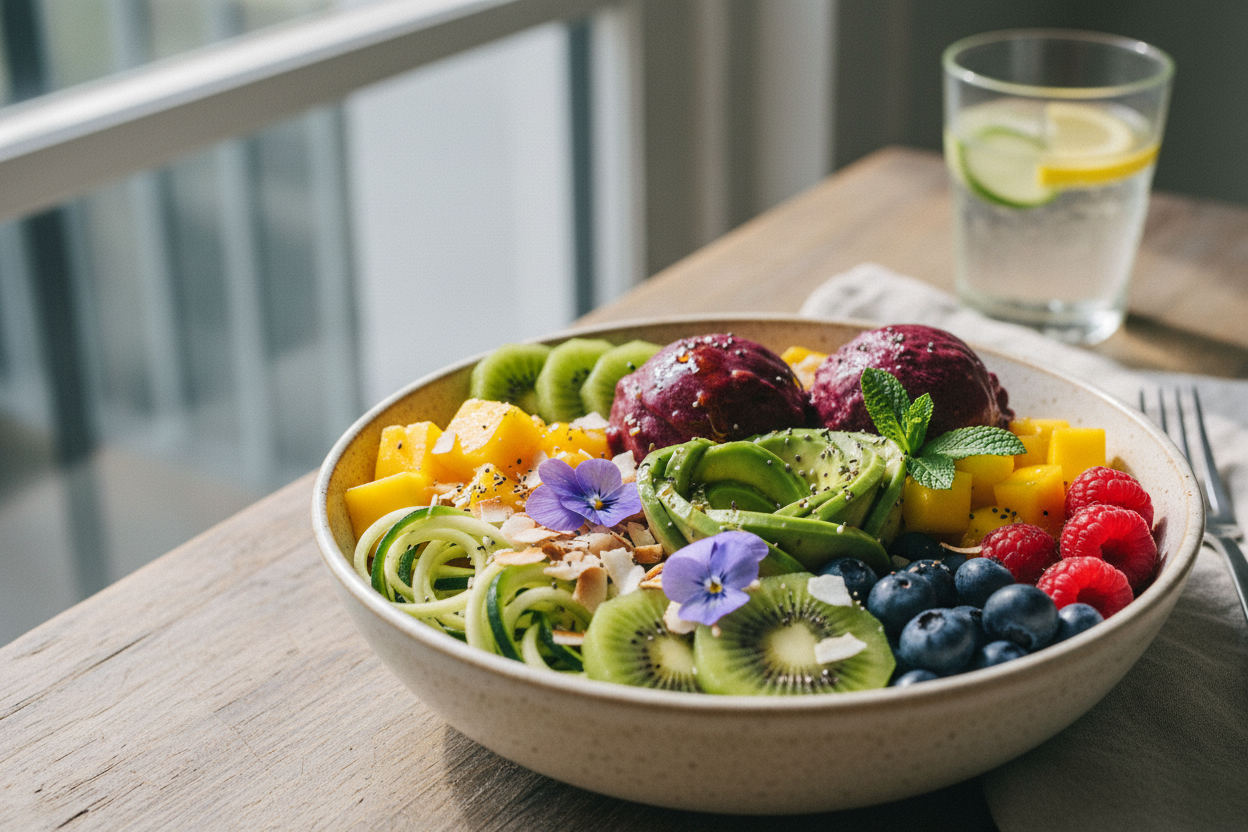
Picture your day as a series of small choices that add up to a balanced plate and, in turn, a steadier mindset. A simple visual can guide you: fill half your plate with colorful vegetables and fruits for fiber and phytochemicals, a quarter with lean protein to support fullness and focus, and a quarter with smart carbohydrates like quinoa, oats, or sweet potato for stable energy. Add a thumb-size serving of healthy fats—extra-virgin olive oil, avocado, nuts, or seeds—to boost satisfaction and flavor. Keep hydration within reach; water, herbal infusions, or sparkling water with citrus keeps digestion and attention humming. Practice mindful eating by taking a breath before your first bite, pausing mid-meal, and noticing textures and aromas. This small ritual helps your brain register satiety and enjoyment. Over time, these consistent, low-drama tweaks create a calm rhythm around food that supports daily decisions, steady energy, and a grounded, lifestyle-friendly way to nourish both body and mind.
Tuning Macros for Mood
Macronutrients quietly shape your day's mental tempo. Complex carbohydrates deliver steady glucose, protecting against afternoon slumps and frayed patience. Think whole grains, beans, lentils, and sturdy root vegetables that keep steady energy flowing. Lean protein at each meal supports the building blocks for feel-good messengers while extending satiety; rotate eggs, dairy or yogurt, tofu, tempeh, fish, poultry, or legumes. Do not fear healthy fats; omega-3 fats from fatty fish, walnuts, chia, and flax seed help balance richness with nourishment. Consider the glycemic load of a meal rather than isolating one food: pair fruit with yogurt or nuts, grain bowls with beans and olive oil, or toast with avocado and an egg. Breakfast options like oats with seeds and berries or a veggie omelet with whole-grain toast set a calm pace. Snacks that blend protein, fiber, and fat—apple and peanut butter, hummus and carrots—give your brain a quiet, reliable fuel line.
Micro-Nutrients, Major Difference
The small players can have an outsized effect on how you feel. Focus on micronutrients such as magnesium from leafy greens, legumes, and pumpkin seeds to support relaxation and muscle ease. B vitamins from whole grains, eggs, and nutritional yeast aid energy metabolism and cognitive clarity. Iron from beans, lentils, and lean meats helps oxygen transport; pair plant iron with vitamin C sources like citrus or bell peppers to boost absorption, and space tea or coffee away from iron-rich meals if you are optimizing uptake. Zinc from seeds, seafood, and dairy supports immune balance and taste perception, which can subtly influence appetite. Selenium, iodine, and choline also play supportive roles; build variety with sea vegetables, Brazil nuts, eggs, and mushrooms. Season generously with herbs and spices—turmeric, rosemary, cinnamon—not just for flavor but for their helpful plant compounds. A colorful, rotating produce lineup ensures you get a mosaic of nutrients that team up for focus, resilience, and everyday vitality.
Routines That Stick
Eating well is easier when your environment carries the load. Lean on habit stacking: brew coffee, fill a water bottle; put on the kettle, chop a snack box of veggies. Sunday or midweek meal prep can be light-touch—cook grains, roast a sheet pan of vegetables, grill or bake a protein, and prep a sauce. Keep a short list of grocery anchors like eggs, canned beans, greens, frozen berries, yogurt, and whole grains to assemble fast, portion cues friendly meals. Create a plate template for busy days and repeat without guilt. Build mindful pauses into meals by setting down your fork between bites and rating hunger and fullness on a gentle 1 to 10 scale. If evenings trigger grazing, place a fruit-and-yogurt parfait or popcorn with nuts front and center. Keep a small, attractive bowl for treats to encourage intentional savoring. The real secret is consistency—tiny actions that click together until your default choices quietly serve your focus and well-being.
Gentle Flexibility and Joy
The most sustainable pattern blends structure with flexibility. Think of an 80-20 mindset: most meals follow your balanced template, and the remainder bends for social moments, travel, or cravings. Practice self-compassion when plans wobble; a single choice does not define your path, and shame only clouds judgment. Welcome intuitive eating tools—check in with hunger, fullness, and satisfaction so you can adjust portions on the fly. Keep beloved cultural dishes in rotation by using small nutrition tweaks—add vegetables, swap part of the grain for legumes, or finish with a sprinkle of nuts. Pair celebrations with joyful movement like a relaxed walk after meals to aid digestion and reset your headspace. Track non-scale wins: steadier mood, clearer focus, better sleep, and a calmer relationship with food. Savor aroma, crunch, and temperature to heighten pleasure. When food is both nourishing and enjoyable, your plate supports your mind—and your lifestyle supports your long-term peace.