Backyard Makeover on a Budget: Simple Upgrades
Turn your yard into a welcoming retreat without overspending. These smart, DIY-friendly upgrades deliver curb appeal, comfort, and value.
Set Your Vision
A successful backyard makeover starts with clarity. Walk the space and list what works, what fails, and what you want to feel when you step outside. Identify a single focal point such as a dining nook, small fire ring, or herb corner, then let every choice support it. Measure key areas, note sunlight patterns, and sketch simple zones for lounging, cooking, and play. Set a realistic budget and rank projects by impact: cleaning, edging, lighting, and fresh planters often deliver the fastest wins. Choose a simple color palette to unify materials like cushions, pots, and gravel, and decide on a style cue—cozy cottage, clean modern, or natural woodland. Plan for privacy with lattice or tall pots, and factor in maintenance so your setup remains enjoyable long term. Finally, gather tools, repurpose what you own, and create a weekend timeline so upgrades happen in bite-size steps without overwhelming your schedule or wallet.
Clear and Define
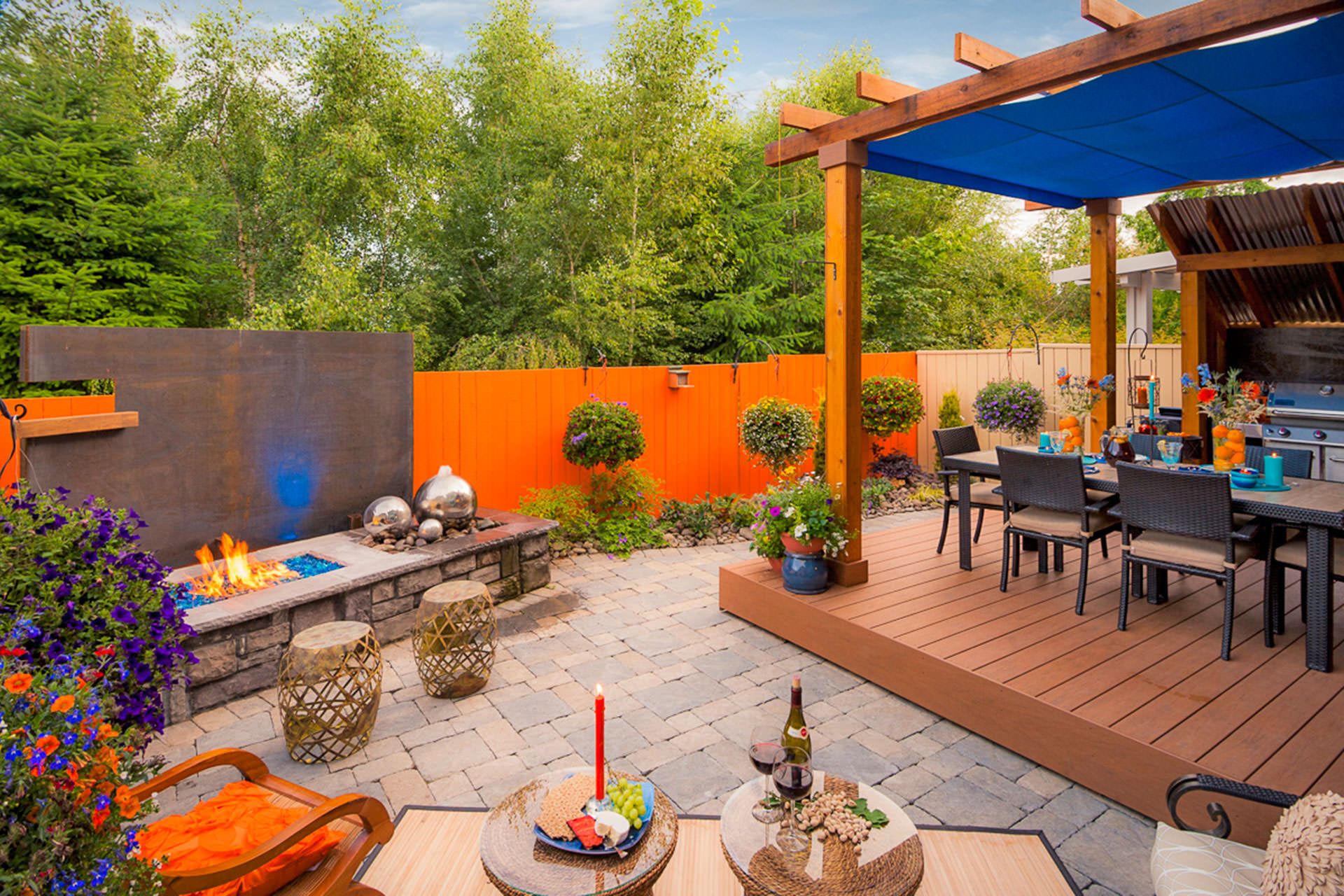
Before buying anything, transform the canvas you already have. Remove clutter, trim low branches, and weed beds to reveal structure. A thorough sweep, hose-down, and quick edge pass immediately sharpen curb appeal in the backyard. Group loose items into keep, donate, and repurpose piles—old bricks become path borders, spare lumber becomes a planter, and sturdy crates morph into side tables. Use rope, stakes, or twine to outline zones for seating, grilling, and gardening, then fine-tune widths so movement feels natural. Define bed edges with a crisp spade line or simple paver row to improve visual flow and reduce mowing hassles. If you have mismatched decor, unify it with one accent color across pots and cushions. Collect green waste for compost or municipal pickup, and sweep paths so hard surfaces read as intentional. This low-cost prep not only boosts morale but also guides every next decision, preventing impulse buys and layout regrets.
Soil and Greenery
Healthy plants begin beneath your feet. Test basic drainage by filling a small hole with water; slow absorption signals the need for organic matter. Top-dress beds and tired lawn areas with compost or leaf mold to enrich soil, then cover with mulch to conserve moisture and suppress weeds. For lawn revival, focus on overseeding, dethatching lightly, and mowing high rather than chasing quick fixes. Choose drought-tolerant or native selections that thrive with less fuss, mixing textures like grasses, flowering perennials, and evergreen anchors for year-round interest. Group plants by water needs to simplify care and reduce waste. Consider soaker hoses or a simple bucket-to-drip method for efficient watering that reaches roots, not sidewalks. In containers, use a quality potting mix and add slow-release nutrition. Finish by tucking in aromatic herbs near seating, where brushing past releases fragrance. This plant-first approach yields a fuller, greener look while keeping upkeep and expenses low.
Budget Hardscaping
Small, sturdy hardscape moves make a huge impact without a contractor. Define a walkway with compacted gravel, pea gravel, or decomposed granite over a firm base; add simple edging to keep stones tidy and improve drainage. Dry-set stepping stones or pavers on sand for an affordable path or patio extension—measure twice, level patiently, and tamp in layers for durability. Use reclaimed bricks for borders or a petite seating pad, mixing materials for character while keeping a unified color tone. Create a landing zone near the back door for shoes and planters, then echo that geometry elsewhere for cohesion. If you add a small fire ring or grill station, verify safety clearances and protect nearby surfaces. Elevate planters on pavers to prevent soggy bottoms, and lay weed barrier only where necessary to maintain healthy soil elsewhere. Thoughtful DIY hardscaping turns muddy cut-throughs into clean lines that guide visitors and frame lush planting.
Containers and Vertical
Containers deliver outsized style on a small budget. Mix pot sizes and shapes, but keep two or three finishes for unity. Ensure drainage holes, use breathable potting mix, and mulch the surface to slow evaporation. Compose pots with the thriller–filler–spiller method: a bold centerpiece, medium companions, and trailing accents. Think edibles too—basil, mint, cherry tomatoes, and chilies near the kitchen door are practical and pretty. Go vertical to multiply space: a ladder shelf, trellis, wall pockets, or a wire grid supports peas, beans, or climbing vines while hiding eyesores. Upcycle pallets into slim planters lined with landscape fabric, and paint or stain containers to sync with your palette. Cluster pots into microclimates—sun lovers together, shade fans under trees—so watering is efficient. Rotate containers for even growth and use saucers or risers to protect decks. This portable garden lets you refresh vignettes seasonally without overhauling the entire yard.
Light the Night
Smart lighting stretches enjoyment long after sunset while boosting safety. Layer three types: ambient glow from string lights or lanterns, task lighting near the grill or potting table, and accent beams on a focal point like a tree, trellis, or water feature. Choose solar stakes or low-voltage options to stay wallet-friendly and avoid complicated wiring. Aim lights downward to minimize glare and create a warm, welcoming atmosphere. Mark step edges and path turns with subtle markers, then bounce light off pale walls or gravel for a brighter feel without extra fixtures. Secure cords neatly along edges and keep hot bulbs away from dry foliage. Use warm color temperatures for coziness, and stagger spacing for a soft rhythm rather than a runway look. A couple of battery lanterns on the table complete the scene. Thoughtful illumination elevates even simple furniture, turning your backyard into a relaxed, functional evening retreat.
Seating and Finishing Touches
Comfort seals the makeover. Build a simple bench from pallets or block-and-board components, then add weather-friendly cushions for instant seating. Define conversation zones with outdoor rugs, grouped planters, or a narrow screen that also acts as art. Provide shade with a portable umbrella or a modest sail anchored securely; even a vine-draped trellis cools a corner. Keep a consistent color story across textiles and pots to tie pieces together, and introduce texture with woven baskets or wood accents. A compact side table, durable coasters, and a storage box for throws and games keep clutter in check. Add personality with a birdbath, wind chimes, or a small bubbling pot for gentle sound. Finally, set a light maintenance rhythm: a weekly sweep, quick weed pull, and monthly mulch top-up preserve your hard work. These finishing touches transform a serviceable yard into a place you linger, entertain, and enjoy every day.