Backpacking Basics: Pack Light, Travel Far
Master the art of minimalist travel. Build a 40L carry-on kit, choose multipurpose gear, and pack only what you'll use so you can move faster and farther.
Choose Core Essentials
Packing light begins with ruthless clarity about needs versus wants. Choose a supportive backpack sized for one-bag travel, typically in the 30–40 liter range, which forces smart decisions while remaining comfortable on the move. Prioritize base weight by listing your non-consumable items and trimming anything that does not serve multiple purposes. A compact, modular packing system helps: a lightweight daypack that folds flat, a small first-aid kit, and a sleep mask and earplugs for transport days. Opt for multipurpose gear such as a scarf that works as a blanket, sun cover, or pillowcase. Keep tech lean: a phone, tiny charger, and a universal adapter usually beat multiple gadgets. Choose a weather-ready shell that layers over everything. Before sealing the bag, run the final test: can you comfortably walk for thirty minutes with it? If not, remove one more nonessential item. Every gram saved compounds into greater freedom, mobility, and travel stamina.
Clothing That Works Hard
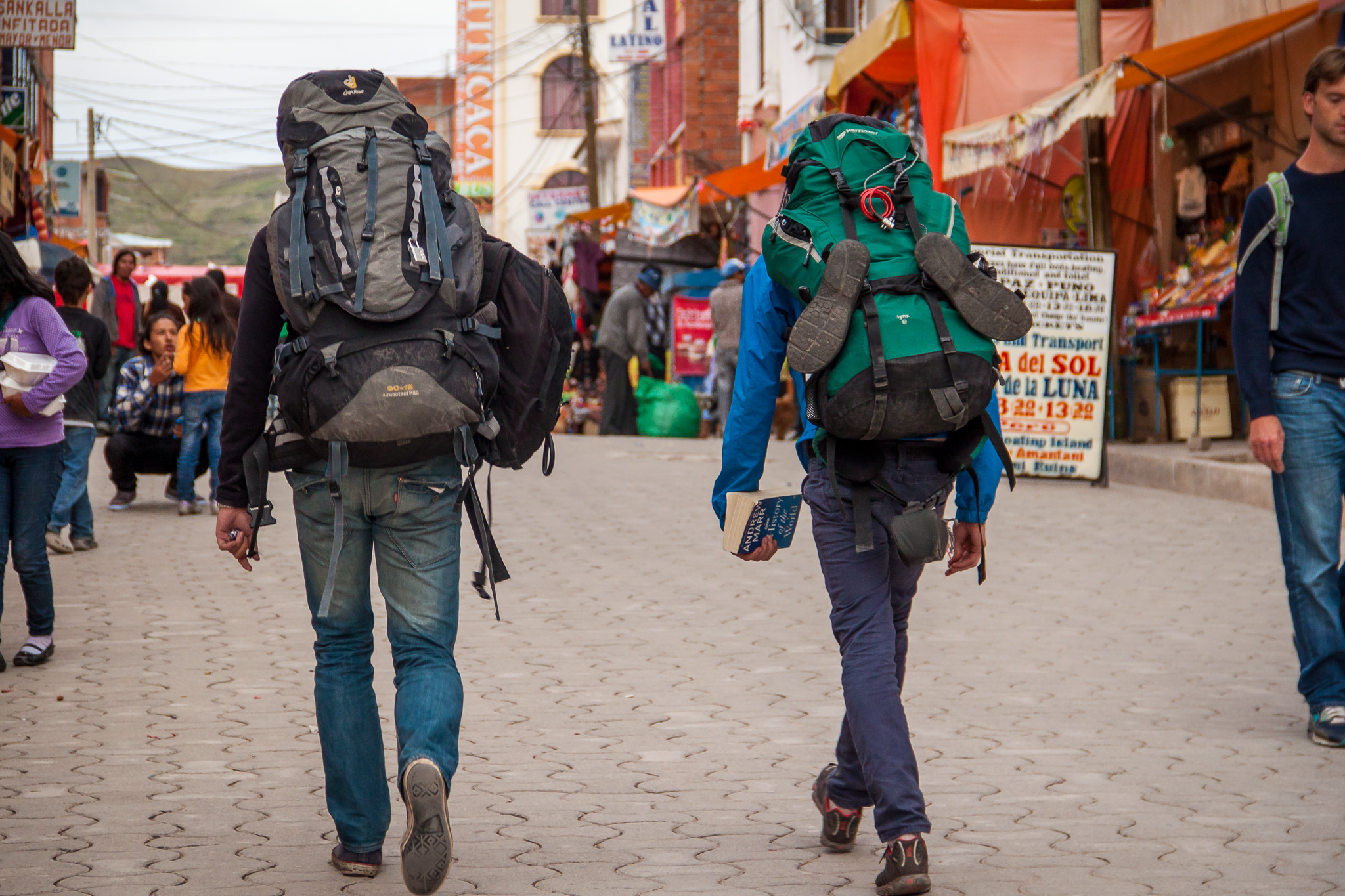
Build a compact, capsule wardrobe around neutral tones that mix and match effortlessly. Choose quick-dry, wrinkle-resistant fabrics that handle sink washes and air-dry overnight. Two or three breathable shirts, one insulated midlayer, a light shell, and one pair of versatile pants or shorts often cover a wide range of climates. Footwear is crucial: one dependable pair for walking long distances and, if needed, minimalist sandals that double for showers and beach days. Embrace layering to adapt across temperature shifts rather than packing single-purpose heavy garments. Pack merino or high-performance synthetics for odor control and comfort. Undergarments with fast-drying fibers let you wash frequently with minimal pairs. Use compression or packing cubes to keep outfits organized, but avoid overstuffing; space discipline prevents creeping bulk. A compact laundry kit—tiny soap, a sink stopper, and a travel clothesline—extends your wardrobe. When each piece earns its spot by serving multiple contexts, you gain style, simplicity, and carry-on confidence.
Streamlined Toiletries and Health
Toiletries can balloon quickly, so embrace decanting. Transfer liquids into small, leakproof bottles, and consider solid versions of shampoo, conditioner, and soap to minimize spills and security hassles. Choose a compact toiletry kit with just the essentials: toothbrush, mini toothpaste, deodorant, sunscreen, and a small moisturizer that doubles as hand cream. Add a lightweight first-aid kit with plasters, pain relief, antihistamines, and any personal medications. A tiny bottle of hand sanitizer and a few antiseptic wipes are invaluable for transit days. For grooming, a small comb and nail clipper suffice. Pack a microfiber towel that dries fast and compresses small. If water quality varies, a compact filtration straw or purification tablets can be prudent. Keep everything accessible in a clear, resealable pouch for quick airport checks. By editing to proven essentials and refilling as you go, you preserve space, reduce waste, and maintain consistent well-being throughout the journey.
Smart Packing and On-the-Road Habits
How you pack matters as much as what you pack. Place dense items close to your spine for better weight distribution, and keep daily essentials—wallet, passport, phone, and a pen—within reach. Use packing cubes to segment clothing, tech, and toiletries, so you can retrieve items without upheaval. A lightweight rain cover or packable tote protects your gear during unexpected weather or grocery runs. Adopt rituals that keep your load lean: every few days, review what you have not used and consider sending or gifting it away. Do laundry regularly to avoid overpacking clothes. Refill consumables rather than carrying excess from the start. On transit days, wear bulkier layers and shoes to free space. Walk or take public transport when practical; a lighter bag makes it pleasant, and you learn the city with each step. These small, steady practices sustain carry-on compliance, reduce stress, and keep you nimble in changing conditions.
Budget, Culture, and Mindset
Packing light expands not just range but also opportunity. With a nimble kit, you can choose budget-friendly buses, trains, and shared rides without wrestling heavy luggage. You move easily through markets, hostels, and guesthouses, and you are more open to spontaneous detours and conversations. Travel farther by spending less on checked bags and taxis, redirecting savings to local food, museums, and memorable experiences. Approach each place with cultural sensitivity: learn a few greetings, observe local customs, and dress modestly where appropriate. Practice responsible travel by minimizing waste, refilling bottles, and respecting natural spaces—leave no trace, even in urban parks. Prioritize safety with situational awareness, discreet valuables storage, and copies of key documents. Most importantly, cultivate a flexible mindset. Light packing is not deprivation; it is deliberate choice. By carrying only what serves you, you make room for serendipity, deeper connection, and the kind of resilience that turns challenges into stories.