Audio for Every Room: Soundbars, Speakers, and Setup Tips
From compact soundbars to full speaker systems, learn how to match gear to every room, optimize placement, and dial in clear, immersive audio.
The Big Picture: Planning Audio For Every Room
Great home audio starts with a plan that matches your spaces, habits, and budget. Begin by mapping how each room is used, how large it is, and where people sit, cook, work, or mingle. In compact apartments, a sleek soundbar or a pair of wireless speakers might deliver all the clarity and warmth you need without clutter. Larger living rooms benefit from component systems with bookshelf or floorstanding speakers, plus a subwoofer for low-end impact. Consider how sound travels through open floor plans or hallways, and think about neighbors and family members when setting maximum levels. Decide which rooms need multi-room playback, which need TV-centric setups, and where a portable speaker can fill gaps. Sketch cable runs, power outlets, and potential Wi‑Fi blind spots. By matching form factor, connectivity, and placement to room purpose, you create an audio ecosystem that feels effortless, sounds balanced, and adapts as your needs change.
Soundbars: Clean TV Sound With Minimal Fuss
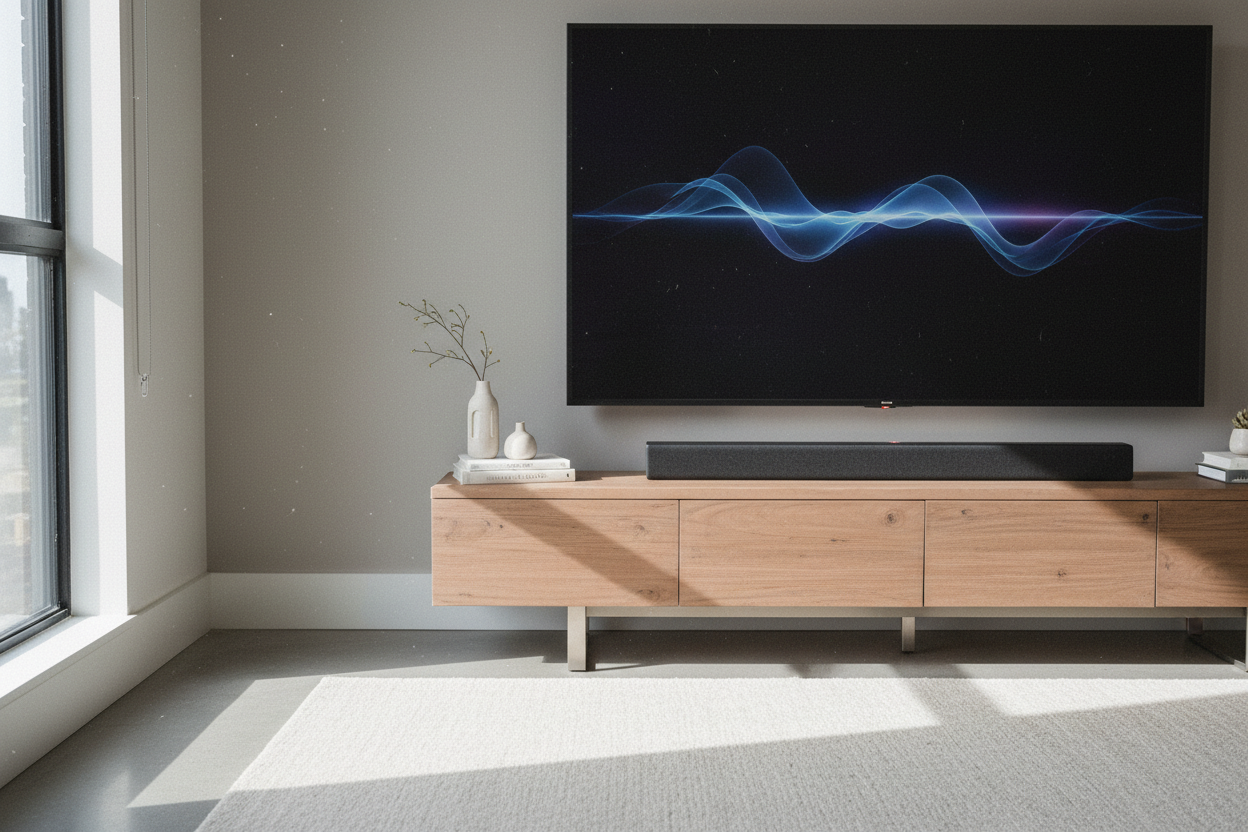
A quality soundbar is the simplest way to transform television audio, delivering stronger dialog, fuller music, and convincing effects with minimal gear. Look for HDMI ARC or eARC to simplify control and support higher-bandwidth audio from your TV. Many models include wireless subwoofers for bass and surround virtualization to simulate wider sound without rear speakers. Features like dialog enhancement, night mode, and auto volume leveling help in shared spaces or late-night viewing. Wall-mounting keeps things tidy; table placement should leave a clear path between the bar and your ears to preserve clarity. If you sit off-axis, choose a bar with wide dispersion or angled drivers. For gamers, low audio latency improves sync and responsiveness. If you plan to expand later, check for optional wireless surrounds or integration with multi-room platforms. A well-matched soundbar brings cinematic presence to living rooms, bedrooms, and dens without a rack of components.
Smart and Wireless Speakers: Flexible Multi‑Room Audio
Modern wireless speakers make it easy to stream in every room, move music around, and control playback from your phone or voice. Wi‑Fi generally offers better range and stability than Bluetooth, supports higher bitrates, and enables multi-room synchronization so the kitchen, office, and patio can play together or separately. Create stereo pairs for wider imaging in small rooms, or group speakers by zone for parties. In bedrooms and offices, compact models with adaptive EQ, room calibration, or automatic loudness maintain balance at low volumes. If privacy matters, look for physical mic switches and clear control over onboard assistants. For bathrooms or covered patios, choose units with appropriate moisture resistance and stable mesh network coverage. Keep speakers at ear height when seated or standing for best tone, and avoid corners that exaggerate bass. With thoughtful grouping, consistent naming, and a reliable network, wireless systems deliver seamless, room-by-room listening that fits daily routines.
Bookshelf, Floorstanding, and Surround: When You Crave Scale
If you want scale, dynamics, and nuance, passive speakers driven by an amplifier or AV receiver remain a superb path. Bookshelf speakers excel in smaller rooms or on sturdy stands, while floorstanding speakers offer deeper bass and higher output for spacious areas. Match the amplifier's power to the speakers' sensitivity and impedance to avoid distortion and unlock performance. For movies, a center channel anchors dialog, surround speakers add envelopment, and optional height channels extend effects overhead. Position mains so tweeters are near ear height; start with a gentle toe‑in to focus imaging, and maintain a clear path to the listening area. Use solid stands, reliable speaker cable, and keep lengths similar for left and right. If furniture forces compromises, consider on‑wall designs that control reflections. Prioritize symmetry around the listening position, mind reflections from bare walls, and remember that small adjustments in placement often yield bigger gains than chasing new gear.
Subwoofers and Room Acoustics: The Bass and the Space
A well‑integrated subwoofer supplies weight, impact, and realism, but setup matters. Begin by placing the sub near a front wall, away from rattling furniture; then try the crawl test to find a spot where bass feels even and tight at the main seat. Set the crossover so the sub complements, not overwhelms, your speakers; adjust phase to blend smoothly at the crossover point. If bass booms or disappears, experiment with small moves and incremental level changes. Address room acoustics with soft furnishings, rugs, curtains, or dedicated acoustic panels to reduce harsh reflections. Bass traps in corners can tame low‑frequency buildup, improving clarity throughout the room. Isolation pads under speakers and subs can limit vibration transferring to floors or shelves. If your system includes room correction, measure multiple positions to capture the listening area's average response. The goal is controlled, musical low end that supports the mix without drawing attention to itself.
Setup Tips, Calibration, and Everyday Care
Great systems sound better when tuned. Use built‑in auto calibration or room correction wizards to set speaker distances, levels, and EQ; then trust your ears and fine‑tune. Verify channel balance with test tones, and ensure dialog remains clear at comfortable volume. On TVs, enable eARC for compatible gear and disable redundant processing that can alter timing. Keep firmware current for stability, codecs, and new features. Manage cables with labels and velcro ties to simplify troubleshooting and upgrades. Use surge protection or a quality power strip to safeguard devices. In multi‑room setups, name rooms consistently and confirm network reliability; consider a wired backhaul or improved router placement if dropouts occur. Clean speaker grilles and dust ports gently to maintain airflow. Finally, set listening profiles for day and night, adjust loudness normalization to taste, and remember that careful placement, small EQ tweaks, and steady maintenance extend the life and enjoyment of every component.